Pune FDA Lab Doubles Food Testing in a Year, Examines 1,456 Samples
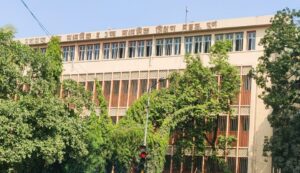
Pune, 7th November 2026: The Food and Drug Administration (FDA) laboratory in Pune has more than doubled its food sample testing output, examining 1,456 samples in the financial year 2025-26, compared to 659 samples in 2024-25. The increase comes amid intensified food safety monitoring ahead of Diwali, when demand for sweets, dairy products and other food items rises.
The laboratory tested 797 additional samples during 2025-26, marking a significant improvement in its testing output. Samples of sweets, dairy products, edible oils, ghee, spices and other food items are being examined to monitor food quality and ensure compliance with food safety standards.
According to the Maharashtra State Public Health Laboratory, the increase in testing output has been made possible through changes in the sample testing process, batch-wise examination of similar samples and the addition of laboratory equipment and glassware.
Earlier, laboratory personnel generally processed one sample at a time. Under the revised system, samples belonging to the same category are grouped into batches and examined simultaneously. The work of the laboratory’s 12 to 13 chemists is also organised to facilitate the parallel testing of similar samples, reducing the time required for individual examinations.
The batch-testing method requires adequate equipment to process multiple samples simultaneously. Previously, the laboratory operated with a limited number of flasks, measuring vessels, funnels and other glassware. Additional sets of equipment and glassware have now been made available, enabling staff to handle more samples at the same time.
Laboratory technicians said different testing procedures could also be carried out simultaneously. For instance, while protein testing is being conducted on one sample, fat-content analysis can be undertaken on another. This parallel approach has improved overall efficiency and reduced the time required to complete testing.
Madhukar Dhoom, Deputy Director of the Maharashtra State Public Health Laboratory, said the laboratory faced considerable pressure every year because of the large volume of samples received for examination. Since test reports must also be submitted within stipulated timelines, improving the testing process was essential.
“Although the number of samples has more than doubled this year, the availability of additional equipment and the adoption of the batch-testing method have helped us increase the pace of examination,” Dhoom said.
He added that FDA Commissioner Tukaram Mundhe had also provided guidance on improving the laboratory’s functioning and strengthening its sample-testing process.