Pune: GBS Outbreak in Pune Under Control, Government Reviews Poultry and Water Safety Measures
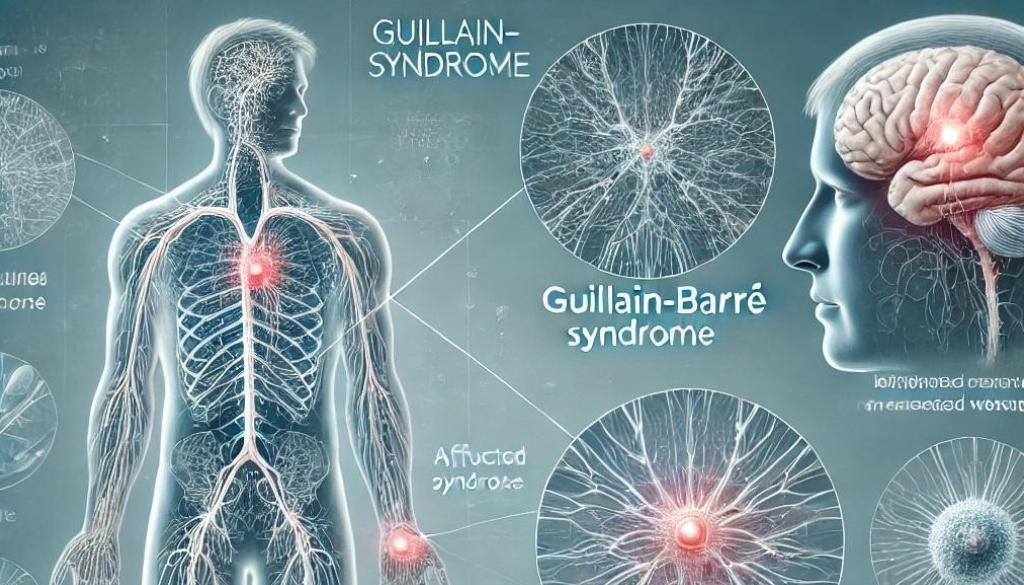
Pune, 10th July 2025: The Maharashtra government on Wednesday confirmed that the outbreak of Guillain-Barré Syndrome (GBS) in Pune district, which saw over 200 cases earlier this year, has now been brought under control. In a statement presented during the Vidhan Parishad session, Minister of Public Health and Family Welfare Prakash Abitkar responded to questions raised by MLA Bhimrao Tapkir regarding the causes, investigation, and containment efforts related to the outbreak.
GBS is a rare autoimmune disorder where the body’s immune system attacks the nerves, leading to muscle weakness and, in severe cases, paralysis. While its exact cause remains unknown, it is often preceded by infections from viruses or bacteria, particularly Campylobacter jejuni, a common foodborne bacterium.
Between April and June 2025, Pune district reported a total of 208 confirmed GBS cases. These included 122 cases from Pune Municipal Corporation limits, 34 from Pimpri-Chinchwad, 37 from rural Pune, and 15 from other districts. The outbreak prompted a multi-departmental response involving the Public Health Department, Animal Husbandry, Water Supply, Food and Drug Administration, and Pune Municipal Corporation.
“Due to coordinated action across departments, the outbreak was contained within two to three months,” said Abitkar.
In light of concerns raised about a possible link between poultry and the outbreak, 135 samples—including cloacal swabs, poultry droppings, and water samples—were collected from 11 poultry farms in the Khadakwasla dam area. Of these, 24 samples tested positive for Campylobacter jejuni. However, blood samples from human patients did not confirm a direct link, as all 896 blood samples tested negative for the bacterium. Human fecal samples, however, revealed 14 out of 148 samples to be positive.
Out of 208 drinking water samples collected from the affected areas, one tested positive for Campylobacter jejuni. Additionally, norovirus was detected in eight water samples, raising concerns about water quality. The health department is investigating potential connections between poultry practices, water contamination, and viral infections.
Disinfection and Biosecurity Measures Implemented
Poultry farms where contamination was detected have undergone disinfection, and regular sanitation drives and biosecurity measures are being enforced. Veterinary services have also been directed to carry out preventive actions, including disinfection sprays.
Long-Term Prevention Plan Underway
Abitkar confirmed that a high-level committee for infectious disease prevention and control, reconstituted on August 26, 2024, is monitoring the situation and guiding action plans. The state government is also actively participating in national-level discussions on the “One Health” policy framework, which focuses on integrated human, animal, and environmental health strategies.