Pune Generates 980 MLD Sewage, Treats Only 591 MLD; Centre Reviews Mula-Mutha Cleanup Plan
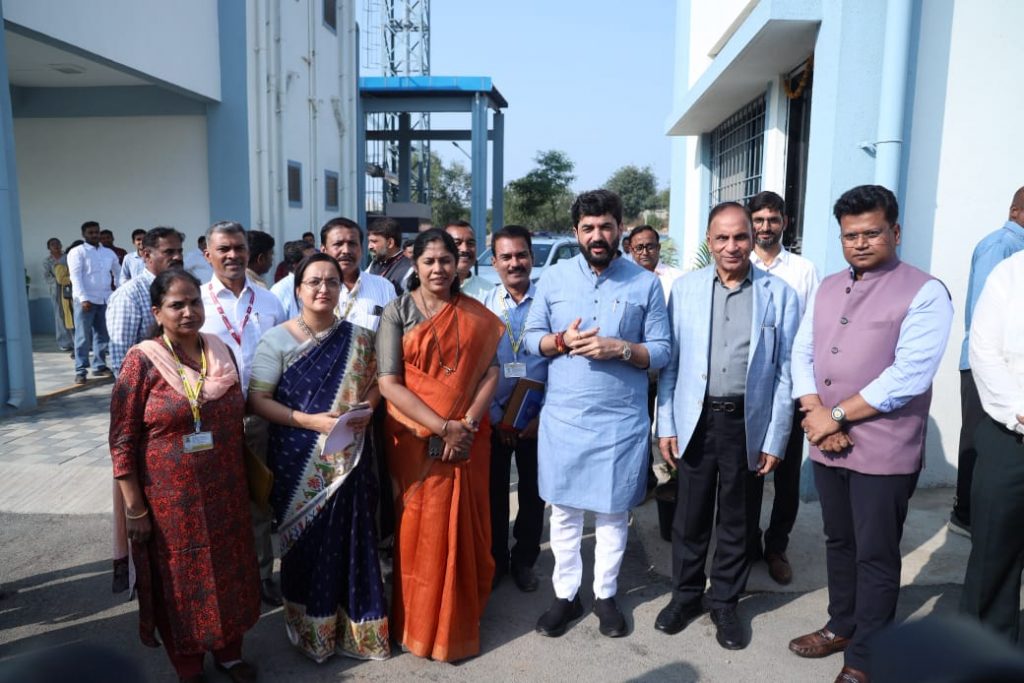
Pune, 19th November 2026: Union Jal Shakti Minister C R Patil on Thursday reviewed the implementation of the Mula-Mutha River Pollution Abatement Project in Pune under the National River Conservation Plan (NRCP) and directed officials to reduce the construction and operation and maintenance costs of sewage treatment plants (STPs), maintain work quality and ensure timely completion of projects.
The review meeting was held at the Central Water and Power Research Station (CWPRS), Khadakwasla, under the chairmanship of Patil. The meeting focused on the progress of sewage treatment plants, sewerage networks, project timelines, construction costs and measures to improve the implementation of the Pollution Abatement of River Mula-Mutha at Pune (PARMM) project.
Union Minister of State for Cooperation and Civil Aviation Murlidhar Mohol, Union Minister of State for Jal Shakti Dr Raj Bhushan Choudhary, Pune Mayor Manjushree Nagpure, Pune Municipal Corporation (PMC) corporator Dhanashree Dattabhau Kolhe, Municipal Commissioner Naval Kishore Ram, Joint Secretary (NRCD) Pawan Kumar, Additional Municipal Commissioner Pavneet Kaur and senior PMC officials, including Chief Engineer Manisha Shekatkar and Superintending Engineer Sanjay Gaikwad, attended the meeting.
During the meeting, Municipal Commissioner Naval Kishore Ram presented the current status of the project, including sewage generation in Pune, existing treatment capacity, ongoing STP construction and measures being undertaken to control river pollution.
According to the presentation, Pune generates approximately 980 million litres per day (MLD) of sewage. The PMC currently has a treatment capacity of 591 MLD, accounting for around 60% of the city’s total sewage generation. Several new STP projects have been planned to bridge the gap.
The civic body plans to develop additional sewage treatment capacity of 535 MLD through the Centre’s Urban Challenge Fund, AMRUT scheme, Hybrid Annuity Model (HAM) and its own funds. The PMC aims to create an additional treatment capacity of 285 MLD by March 2027, the Municipal Commissioner said.
Additional Municipal Commissioner Pavneet Kaur informed the meeting that under the project, 11 STPs with a combined capacity of 396 MLD are being developed. Construction of five plants, with a combined capacity of 111 MLD, has been completed, while work on the remaining facilities is progressing.
Except for the Botanical Garden STP, the remaining STP works are targeted for completion by March 2027. The PMC is also planning to generate electricity through gas engines at the Bhairoba STP. The sewerage network works are expected to be completed by October 2027, she said.
The review also covered technical challenges, the progress of sewerage pipelines, monitoring through the Supervisory Control and Data Acquisition (SCADA) system, Geographic Information System (GIS) mapping, public awareness initiatives and community participation. Officials also presented details of the River Festival and other awareness programmes organised by the PMC to promote river conservation.
During the meeting, Patil sought details of the construction costs of STPs and their long-term operation and maintenance (O&M) expenses. Referring to projects implemented under the Namami Gange programme, he asked officials to explore ways to make STP construction more economical and reduce recurring maintenance costs.
He also directed that STP tenders and contracts should include provisions for the replacement and upgradation of mechanical machinery and equipment, as required, during the seven-year period. He further suggested incorporating appropriate incentive provisions in tenders to ensure construction quality and completion of projects within the stipulated timelines.
Mohol said effective implementation of the projects would help reduce pollution in the Mula-Mutha river and accelerate its rejuvenation. He added that the initiative would improve the river’s ecological balance and help provide Pune residents with a cleaner and less polluted river.
Mayor Manjushree Nagpure said preventing pollution and rejuvenating the Mula-Mutha river were important priorities for Pune. She reiterated the PMC’s commitment to river conservation, pollution control and maintaining ecological balance.
Union Minister inspects Wadgaon STP
After the meeting, Patil and other officials visited the 26 MLD sewage treatment plant at Wadgaon to inspect its operations and the quality of treated water.
The Union Minister expressed satisfaction with the quality of the treated water and said it could be reused for non-potable purposes. He suggested that the PMC plan its utilisation for gardening, construction activities, green spaces and other suitable applications.
Such reuse would help reduce dependence on potable water supplies while promoting water conservation and efficient utilisation of treated wastewater, he said.
The Mula-Mutha river pollution control project aims to reduce the discharge of untreated sewage into the river through the development of treatment facilities and sewerage infrastructure. Effective implementation of the planned projects is expected to improve sewage treatment coverage, reduce river pollution and support the long-term ecological restoration of the Mula-Mutha river.