Pune HCMTR Project: Citizens Seek Clarity, Public Consultation Before PMC Moves Ahead
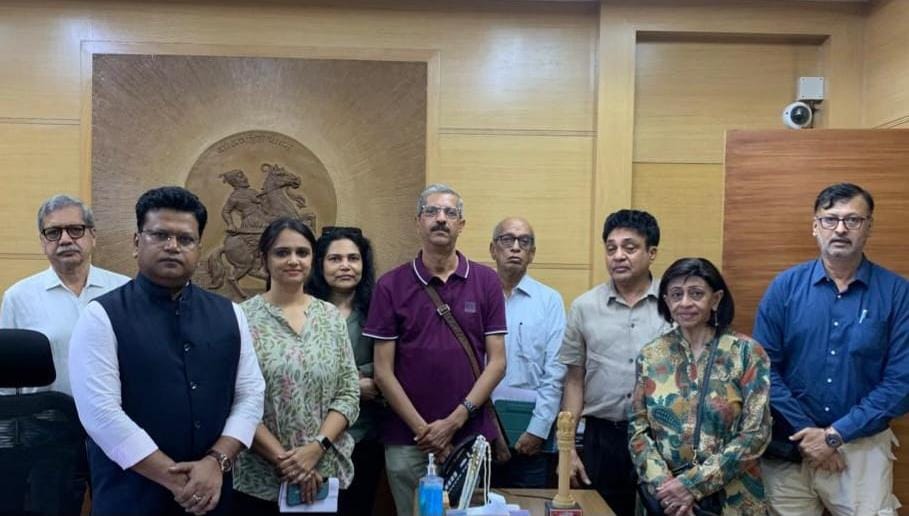
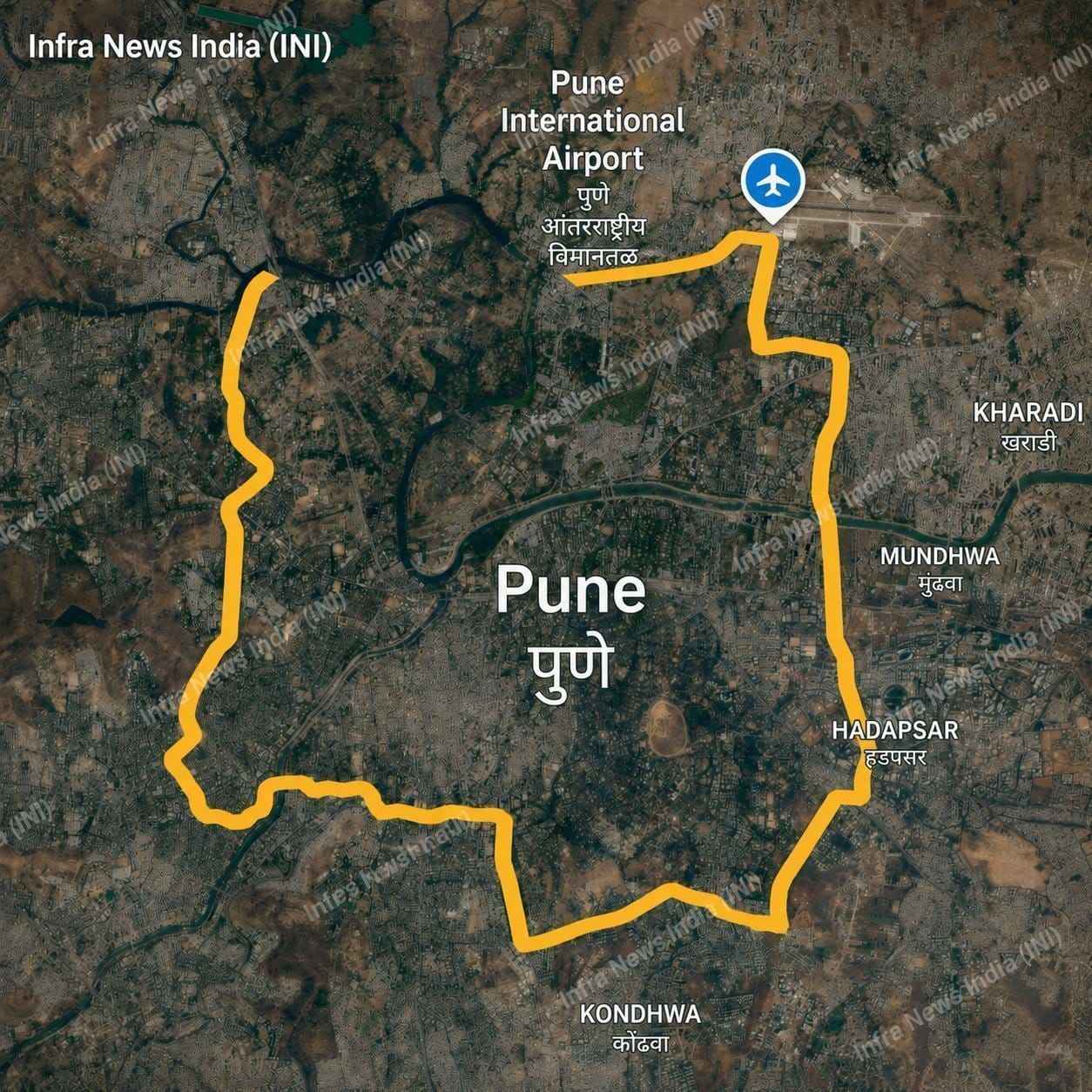
Pune, 12th September 2026: Citizens have sought greater clarity on the proposed High Capacity Mass Transit Route (HCMTR), including its current alignment, design and potential social and environmental impact, before the Pune Municipal Corporation (PMC) takes further decisions on the project.
Representatives of the HCMTR-Nagrik Kruti Samiti (HCMTR-NKS) met PMC Commissioner on September 10 and raised concerns over the present status of the project. Activist Qaneez Sukhrani, associated with the citizens’ group, said the key demand was for PMC to publicly explain what the HCMTR project currently proposes to construct and consult affected citizens before proceeding further.
The HCMTR alignment has been part of Pune’s Development Plans since 1987 and was retained in the sanctioned Development Plan of 2017-18. However, Sukhrani said the project has undergone several changes over the years, leaving citizens seeking clarity on its present form.
According to HCMTR-NKS, proposals considered over the years have included Metro Lite and Neo Metro. Recent reports have also suggested the possibility of an elevated highway with provisions for Bus Rapid Transit System (BRTS). The group has therefore sought an official presentation covering the current alignment, design, technical specifications and anticipated impact of the project.
Concerns over homes, social infrastructure
Sukhrani said the proposed alignment passes through densely developed parts of Pune and could affect residential areas as well as schools, colleges, hospitals, places of worship and heritage sites.
The citizens’ group cited the 2019 STUP study, which it said identified 25 pre-schools, 31 schools and colleges, 19 hospitals, 12 temples and five other listed cultural heritage sites within a 500-metre study buffer.
The group has also raised concerns over possible displacement. According to HCMTR-NKS, the 2019 STUP report indicated that more than 1,000 families could be displaced. Sukhrani said the number could have increased because of development and densification along the proposed route in the intervening years.
Citizens flag environmental impact
Environmental concerns have also been raised by the group. According to HCMTR-NKS, the feasibility study estimated that around 3,000 trees could be affected and identified potential impacts on forest land, three lakes and three hills.
The group also said thousands of small businesses operating along and around the proposed alignment could face disruption, particularly during the construction phase.
Citizens seek project documents
HCMTR-NKS has also questioned the availability of project-related information. Sukhrani said citizens have sought documents, revised alignments, technical details and minutes of meetings from various PMC departments but have not received consistent information on the project’s current status.
The group has called for the relevant documents and technical details to be made available to citizens before decisions are taken on the project.
PMC Commissioner assures citizen participation
During the September 10 meeting, the PMC Commissioner assured the representatives that citizens would be involved in discussions concerning the HCMTR project.
According to HCMTR-NKS, the Commissioner also said that a longer meeting would be arranged with the officials concerned, during which the current proposal would be presented in detail and the issues raised by citizens would be discussed.
Sukhrani said the group welcomed the assurance and expects the proposed meeting to provide clarity on the project’s current proposal and enable a transparent discussion with affected citizens.
The citizens’ group said its concerns should not be viewed as opposition to solutions for Pune’s mobility and congestion problems. Instead, it wants any major infrastructure project to be planned transparently and in a manner that addresses its potential social and environmental consequences through meaningful public consultation.