Pune Hosts Sattriya, Kathak, Kathakali and Chhau at Adi Kala Sattra Festival
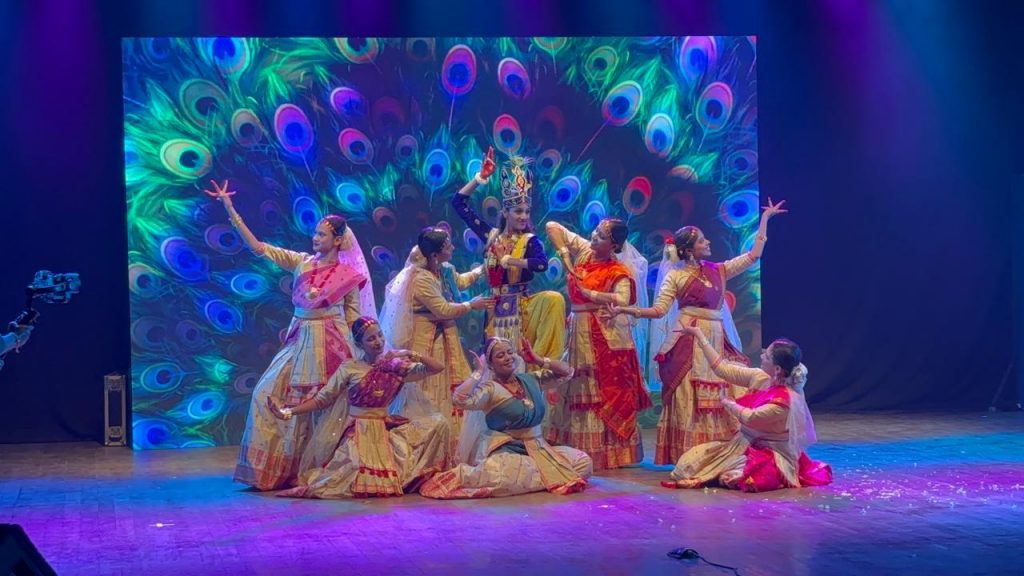
Pune, 29th December 2025: Paying tribute to India’s rich cultural tapestry, a spellbinding confluence of classical dance forms—Sattriya, Chhau, Kathakali and Kathak—unfolded on stage in Pune, leaving the audience mesmerised by its rhythmic elegance, expressive storytelling and vibrant music.
Curated by Dr Devika Borthakur, founder of the Adi School of Dance and an eminent exponent of the Sattriya dance form, the Adi Kala Sattra Festival, celebrating the institution’s 10th foundation day at the Pandit Jawaharlal Nehru Auditorium, featured performances seamlessly woven together to offer the audience a panoramic view of India’s cultural diversity.
The festival was inaugurated by renowned Bharatnatyam dancer and guru – Sucheta Bhide -Chapekar and Pune Municipal Corporation Commissioner Naval Kishore Ram.
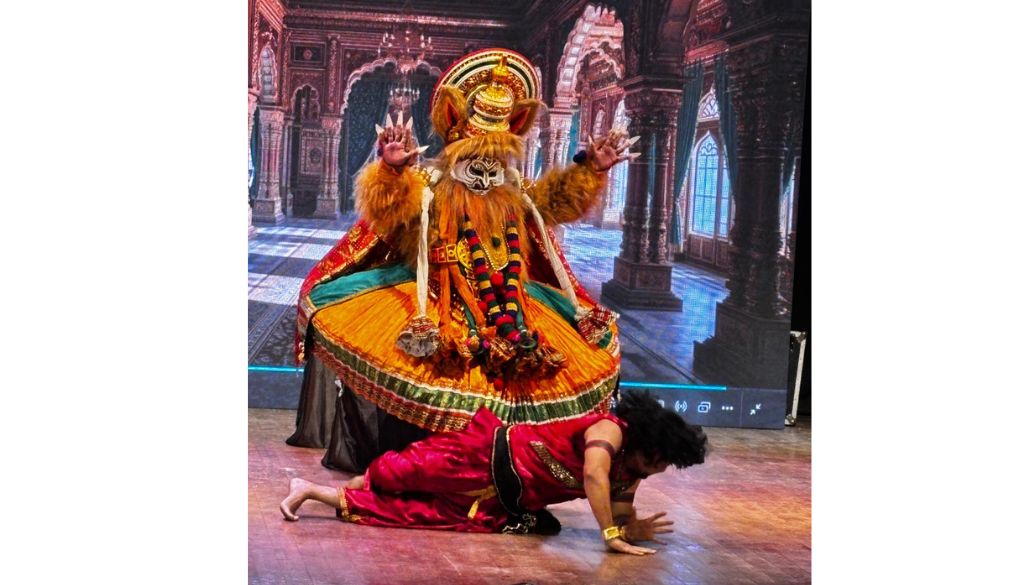
At the heart of the festival was Sattriya, one of India’s eight classical dance forms from Assam. Originating in the Vaishnavite monasteries (sattras) founded by saint-reformer Srimanta Sankardeva, the form is known for its lyrical grace, expressive storytelling and spiritual depth. The festival also showcased Chhau, Kathakali and Kathak, each bringing its distinct style, energy and narrative tradition to portray mythological tales such as Usha-Anirudh, Bhakta Prahlad and Andh Muni.
Sattriya was performed by Dr Borthakur along with her students, Kathakali by noted artist Renjish Nair, Kathak by Rupa Rani Das-Bora, while Chhau was presented by Akram Shaik and Samhita Chaudhuri and their students.
Chapekar, who is also a guru of Dr Borthakur, emphasised the importance of promoting indigenous nrutya (classical dance forms). “Interest in Indian classical dance is steadily growing, with audiences slowly but surely increasing—an encouraging sign for the future of traditional performing arts,” she observed.
Ram said dance is an intrinsic part of Indian identity, reflecting the nation’s vast cultural diversity and serving as a powerful medium of expression. “Rooted deep in tradition, dance emerges from the core of the human heart, communicating emotions, stories and values beyond words. It is a strong expressive language that generates positive energy, binds communities together and enables personal and collective transformation,” he said.
He added that while music and other performing arts have well-established systems of training and education, the need for dedicated institutions for dance is increasingly being felt, especially in Pune. “Known as the Oxford of the East and home to nearly 20 per cent foreign students, Pune has the potential to emerge as a global hub for dance education. Institutes of excellence would not only nurture talent but also celebrate and preserve India’s cultural diversity,” he said.
Krishna Jadumani, an exponent of Sattriya from Uttar Kamalabari Sattra, Majuli in Assam, said Dr Borthakur has been promoting Sattriya in Pune in a manner that has helped the form gain recognition at par with Bharatanatyam and Kathak. “The confluence of Sattriya, Kathakali and Chhau in Bhakta Prahlad was outstanding. I am grateful to the people of Pune for adopting the dance form wholeheartedly,” he added.
Dr Borthakur said she has been promoting Sattriya in Pune for the last 10 years, and the form is now flourishing in the city alongside Bharatanatyam and Kathak.
“The objective of the festival is to weave together India’s diverse dance forms and present them through a storytelling format—the very foundation of Sattriya—so that audiences can connect with them and feel them closer to the heart,” she said.
The festival culminated with a dance tribute to singing sensation Zubeen Garg, a heartthrob of Assam who died a few months ago in Singapore.
The other dignitaries who were present at the event were Sarangdhar Sathe, the Director of School of Performing Arts, Bharti Vidyapeeth and other gurus from various dance forms.
The festival received support from Nyati Group, SG Designers, Kiran Creators, Deshpande Eye Hospital, Care Foundation and Bharati Vidyapeeth.