Pune–Nashik Semi-High-Speed Rail Alignment Under Review; CM Fadnavis Announces Expert Panel Led by Dr. Anil Kakodkar
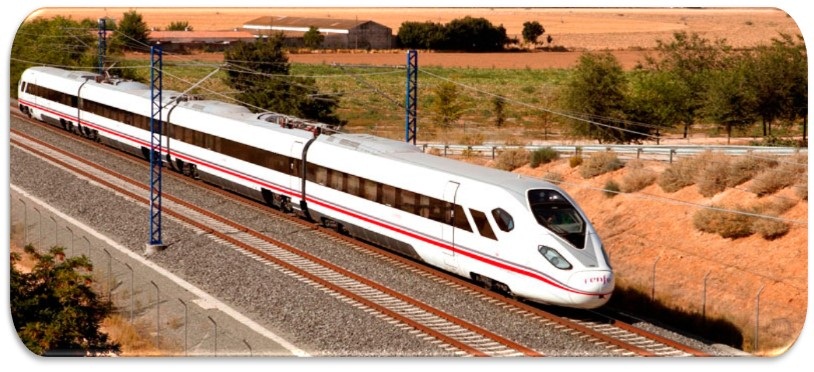
Pune, 6th August 2026: The Maharashtra government has constituted a high-level expert committee under the chairmanship of former Atomic Energy Commission Chairman Dr. Anil Kakodkar to examine whether the proposed Pune–Nashik Semi-High-Speed Rail project can be redesigned without affecting the Giant Metrewave Radio Telescope (GMRT) at Khodad near Narayangaon.
Chief Minister Devendra Fadnavis announced the decision through a post on X, stating that the committee has been formed to explore technically feasible alternatives, including a more direct alignment, tunnelling, elevated sections, or other engineering solutions that would preserve the GMRT’s radio-quiet environment while ensuring the project’s viability. The committee has been directed to submit its report within 60 days.
The proposed semi-high-speed rail project, initially estimated at around ₹16,000 crore, has remained stalled for nearly five years despite land acquisition and survey work. So far, 99.18 hectares of land have been acquired at a cost of ₹316 crore, but construction has yet to begin.
The project was originally planned by Maharashtra Rail Infrastructure Development Corporation (MahaRail). However, the proposed alignment passed close to the GMRT, one of the world’s leading low-frequency radio telescope facilities, raising concerns over possible electromagnetic interference with sensitive astronomical observations.
The National Centre for Radio Astrophysics (NCRA) opposed the original alignment, while the Department of Atomic Energy (DAE) and the Department of Science and Technology (DST) also expressed concerns over its potential impact on scientific research.
The project has since been transferred to Central Railway, which submitted a revised Detailed Project Report (DPR) worth ₹17,889 crore to the Railway Board. The revised alignment passes approximately 12–13 kilometres away from the outermost GMRT antenna and routes the railway via Ahilyanagar and Shirdi.
Despite the revised alignment, concerns remain regarding its possible impact on the observatory. At the same time, opposition has emerged against changing the original route, with several stakeholders demanding that the railway follow the initially surveyed alignment via Sinnar–Sangamner–Narayangaon–Manchar–Rajgurunagar–Chakan.
To resolve the issue, the newly formed expert committee will assess whether the railway can adopt a technically feasible alignment that protects the GMRT while maintaining an efficient route. Besides Dr. Kakodkar, the committee includes Railway Board official Vivek Gupta and the Divisional Commissioners of Pune and Nashik.
In his post, CM Fadnavis reiterated the government’s commitment to balancing critical infrastructure development with the protection of India’s globally significant scientific institutions, ensuring that both the rail project and the GMRT can coexist without compromise.