Pune: Scientists Trace Ancient Origins of Malabar Spiny Tree Mouse Using DNA Barcoding
Reported By Akshata Pawar
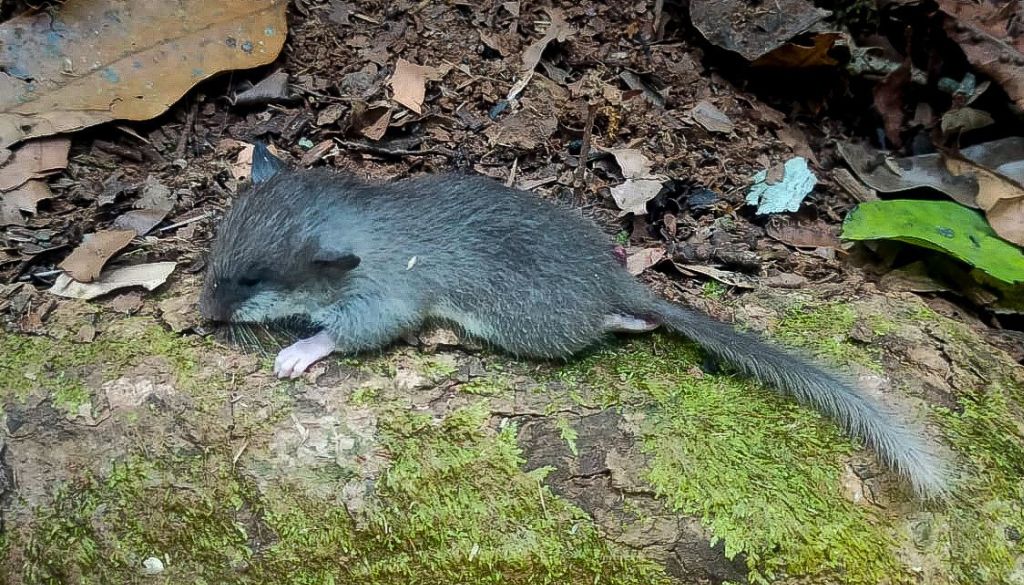
Pune, 14th July 2025: In a landmark discovery, scientists from the Zoological Survey of India (ZSI) have, for the first time, decoded the genetic makeup of the elusive Malabar Spiny Tree Mouse (Platacanthomys lasiurus), a rodent species endemic to the Western Ghats. The breakthrough has revealed that the species is a “living fossil” with ancient evolutionary roots tracing back to the Eocene epoch.
The pioneering DNA barcoding study, conducted collaboratively by ZSI scientists from Pune, Kozhikode, and Chennai, has been published in the peer-reviewed Journal of Animal Diversity, issued by Lorestan University, Iran. The research team includes Dr. S.S. Talmale, Dr. K.P. Dinesh, Ms. A. Shabman, Dr. Jafer Palot, and Dr. K.A. Subramanian.
Although the Malabar Spiny Tree Mouse was first described in 1859, it has taken nearly 166 years to generate its genetic data. This delay made the recent DNA barcoding effort all the more significant, as it enables a clearer understanding of the species’ taxonomic placement and evolutionary lineage.
Molecular analysis indicates that the ancestors of this rodent emerged during the Eocene epoch, 56–33.9 million years ago, placing it among the oldest surviving lineages. Its closest known relative in appearance is the Chinese pygmy dormouse (Typhlomys), native to China and Vietnam. However, phylogenetic analysis shows the two are not monophyletic and should belong to entirely different families, having diverged during the Miocene epoch (23–5.3 million years ago).
“This lineage likely found refuge in the Western Ghats after its ancestors went extinct due to geological changes,” the researchers observed.
A recent expedition to Suryamudi in Kerala yielded a rare live specimen of the Malabar Spiny Tree Mouse. It has now been preserved in the National Zoological Collection (NZC) at ZSI’s Western Regional Centre in Pune for further scientific examination.
ZSI Director Dr. Dhiriti Banerjee emphasized the importance of studying such ancient and mysterious species in the context of climate change. “Integrative research is key to informing conservation strategies and ensuring the species’ long-term survival,” she said.
Lead author Dr. Talmale identified habitat degradation as the species’ most pressing threat. The rodent is currently listed as Vulnerable on the IUCN Red List and is protected under Schedule II of the Wildlife (Protection) Amendment Act, 2022. It is known to inhabit altitudes ranging from 50 to 2,270 meters.
Highlighting the ecological importance of the Western Ghats, co-author Dr. Subramanian remarked, “Our findings underline the Western Ghats’ role as a tropical refugium during the breakup of Gondwana.”
Field expert Dr. M.J. Palot stressed the rarity of the species: “Despite years in the field, I’ve encountered it only a few times. Discovering a specimen in Aralam Wildlife Sanctuary was a rare opportunity.”
“Molecular tools like DNA barcoding are crucial to understanding and conserving ancient, relict species like this one,” added Dr. K.P. Dinesh.
The discovery not only enhances scientific understanding of this rare mammal but also elevates its conservation importance, offering inspiration for future research and encouraging biodiversity awareness among students and environmental enthusiasts.