Pune Water Crisis Ahead? Growth Hub Plan Proposes Mulshi, Bhama Askhed Water Sources
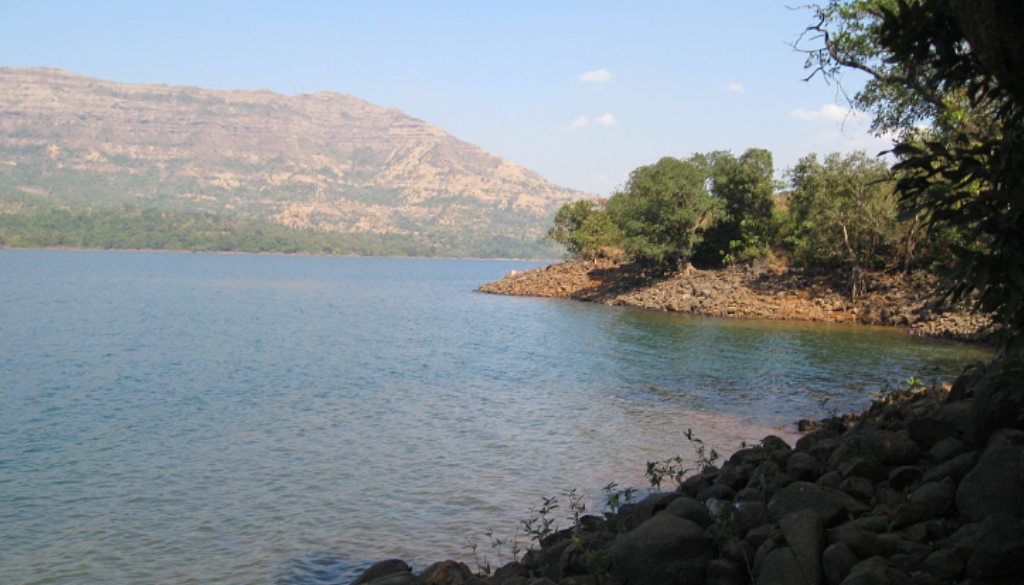
Pune, 5th October 2026: With rapid urbanisation, population growth and industrial expansion expected to drive up water demand in the Pune region, the Pune Growth Hub plan has proposed tapping water from Mulshi Dam and the Bhama Askhed basin to meet the future requirements of the city and metropolitan region.
The region is projected to require around 200 million litres per day (MLD) of additional water in the coming years, according to the plan.
The comprehensive development plan for the Pune economic region has been prepared under the NITI Aayog’s Growth Hub initiative. It aims to facilitate the creation of around 15 to 20 lakh new jobs over the next 10 years across Pune, Pimpri-Chinchwad and areas under the Pune Metropolitan Region Development Authority (PMRDA). The expected economic and population growth is likely to accelerate urbanisation and increase pressure on existing water resources.
As part of its water security strategy, the plan has proposed making seven TMC of water available from Mulshi Dam, while also increasing water supply from the Bhama Askhed basin. These additional sources are expected to help meet the projected increase in demand.
However, the proposals will require detailed assessments of technical feasibility, water allocation, inter-agency coordination and the mechanism for implementation.
The plan has also stressed the need to improve the efficiency of the existing water distribution network. Modernising the system, reducing leakage and wastage, and addressing uneven water distribution could help ensure better utilisation of available water resources.
Along with developing additional water sources, the plan has recommended increasing the reuse of treated wastewater. Treated sewage could be used for industrial purposes, construction, gardening and other non-potable requirements, reducing dependence on freshwater sources.
The plan has also recommended desilting dams and other water storage structures to maintain their effective storage capacity. The accumulation of silt over the years can reduce the usable capacity of reservoirs.
Desilting, where technically and environmentally feasible, could help improve the utilisation of existing water resources.