Pune: WHO Prequalifies Serum Institute’s Indigenously Developed HPV Vaccine Cervavac, Eligible For UN Agency Procurement
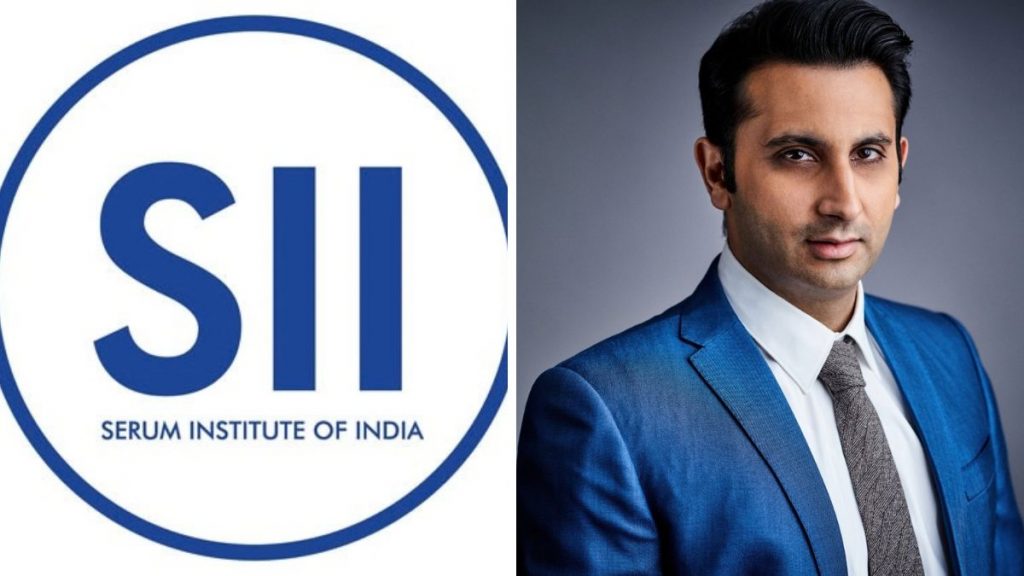
Pune, 5th October 2026: Serum Institute of India’s indigenously developed quadrivalent human papillomavirus (HPV) vaccine, Cervavac, has received prequalification from the World Health Organization (WHO), a move that could facilitate its procurement by United Nations agencies and expand access to HPV vaccination.
Cervavac is a gender-neutral vaccine targeting HPV types 6, 11, 16 and 18. It is indicated for girls and boys aged nine to 26 years and was previously approved for use in India by the Drugs Controller General of India (DCGI).
The WHO prequalification makes Cervavac eligible for procurement by UN agencies and marks the 32nd WHO prequalification received by Serum Institute for its products and biologicals, the company said on Monday.
HPV infection is associated with several cancers, including cervical and anal cancers, as well as genital warts. Cervavac is indicated for the prevention of cervical, vulvar, vaginal and anal cancers associated with HPV types 16 and 18 in girls and women, and anal cancer and genital warts in boys and men, according to the company.
Serum Institute CEO Adar Poonawalla said the WHO prequalification would strengthen efforts to prevent HPV-related diseases and provide countries with another vaccine option for their immunisation programmes.
Cervavac was developed by Serum Institute in collaboration with the Department of Biotechnology (DBT), Biotechnology Industry Research Assistance Council (BIRAC), WHO’s International Agency for Research on Cancer (IARC) and the Gates Foundation.
For children aged nine to 14, the vaccine is administered in a two-dose schedule, with doses given at zero and six months. Those aged 15 to 26 receive three doses at zero, two and six months. The vaccine is administered intramuscularly and is available in single-dose and two-dose vial presentations.
The WHO prequalification is an important regulatory milestone as countries and international agencies assess vaccines for inclusion in public immunisation programmes, particularly in settings where HPV vaccination coverage remains low.