Pune’s Clean City Ranking Takes a Hit: From 10th to 27th in Swachh Survekshan
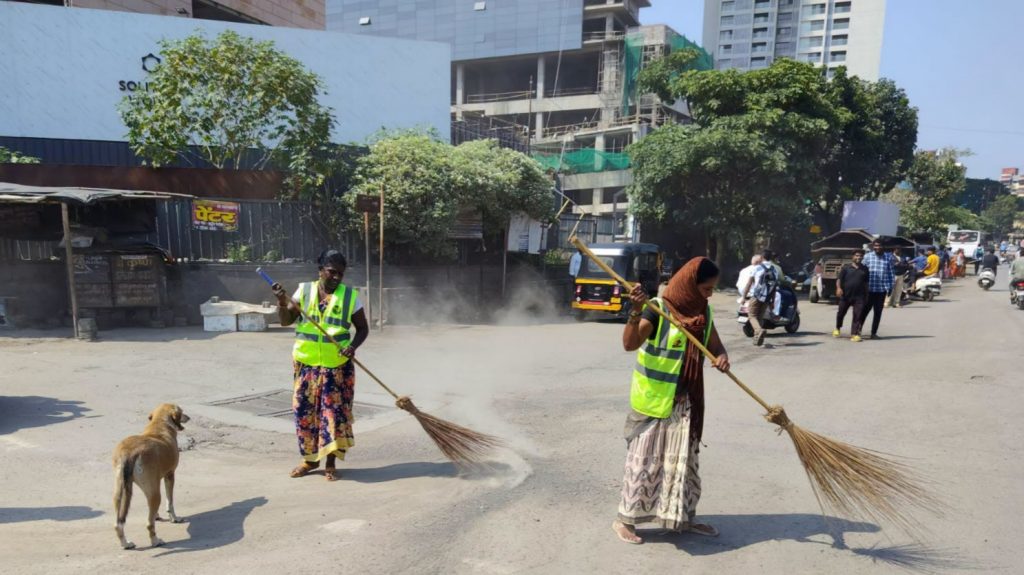
Pune, 12th November 2026: Pune’s performance in the Centre’s Swachh Survekshan has declined significantly, raising questions about the effectiveness of the Pune Municipal Corporation’s (PMC) spending on solid waste management, sanitation and environmental improvement.
In the Swachh Survekshan rankings, Pune has slipped from 10th to 27th position in the category of cities with a population of over one lakh. In the category of cities with more than 10 lakh population, the city has dropped from eighth position last year to 12th this year.
Pune has also secured 18th position among 50 cities in the Swachh Vayu Survekshan, which assesses efforts to improve air quality and control pollution.
The rankings have brought renewed attention to the ₹281 crore allocated by the Central Government for measures to control air pollution in Pune. Despite the substantial funding, the city’s performance in the air quality assessment raises questions about the implementation and impact of pollution-control measures and how the funds have been utilised.
Over the past several years, the PMC has issued tenders worth hundreds of crores of rupees for sanitation, waste management and processing infrastructure. However, persistent garbage-related problems and concerns over cleanliness indicate that the expenditure has not translated into the expected improvement on the ground.
Failure to Meet Key Swachh Survekshan Criteria
Swachh Survekshan, one of the flagship initiatives of Prime Minister Narendra Modi’s government, has been an important benchmark for assessing urban cleanliness across India.
Since the competition began, Pune had generally maintained a place among the country’s top five or top 10 cleanest cities. Although its ranking fluctuated on some occasions, the city had managed to regain ground in subsequent assessments.
However, Pune’s ranking has been declining over the past few years, and the latest results have pushed it out of the top 10 in both population categories.
One of the reasons behind the decline could be the increasingly stringent assessment criteria introduced by the Central Government. Two important parameters now include 100% treatment of sewage generated in the city and ensuring that water bodies remain free from pollution.
The PMC continues to face challenges in meeting these requirements. While substantial amounts are being spent on solid waste management, concerns remain over the lack of effective measures to prevent pollution of rivers, lakes and other water bodies.
The inability to meet these key parameters has affected the city’s overall performance in the cleanliness assessment.
Cleanliness Drive During Survey Period Raises Questions
The PMC is expected to maintain cleanliness and improve public spaces throughout the year. However, concerns have been raised that special efforts to meet Swachh Survekshan criteria are often intensified only during the survey period.
These efforts reportedly include focusing on cleanliness at locations selected for inspection and improving facilities in public toilets by providing toilet paper, mirrors, air dryers and round-the-clock water supply.
Questions have also been raised over the manner in which public participation is recorded for the survey. Instead of relying entirely on feedback from residents, municipal employees are allegedly being directed to register participation in the citizen feedback process.
This has raised concerns about whether the participation figures genuinely reflect public opinion and involvement.