TCS Employee Faces Police Notice and Disciplinary Action After Threatening Protest in Pune IT Hub
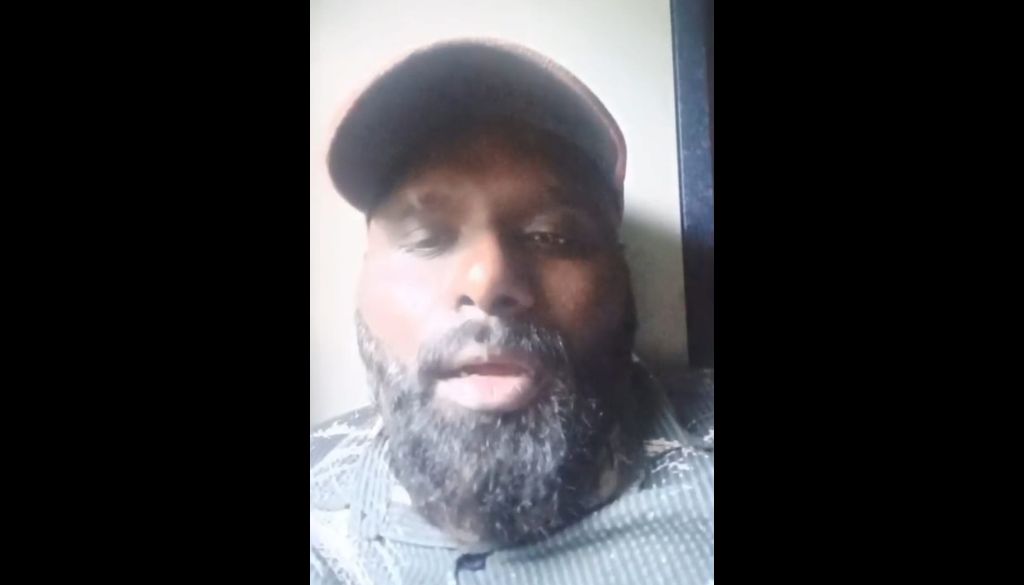
Hinjawadi, 1st September 2025: The bustling IT corridors of Hinjawadi witnessed a clash of workplace grievances, corporate discipline, and law enforcement this week, after Khushal Pradeep Pillay (33), a Senior Process Associate at Tata Consultancy Services (TCS), was served a formal notice by the Hinjawadi Police for planning a protest outside the company’s Phase-3 campus.
Police officials said Pillay had alleged workplace harassment and threats from company representatives, prompting his decision to demonstrate. But prohibitory orders under Section 37(1)(3) of the Maharashtra Police Act, 1951, in force until September 2, bar gatherings, sloganeering, and protests to maintain public peace.
The notice, issued under Section 168 of the Bharatiya Nyaya Sanhita (BNSS), warned Pillay against unlawful assembly and urged him to pursue remedies through lawful channels. Authorities further underlined that any attempt to disrupt order could invite prosecution, with the notice itself admissible in court.
Corporate Disciplinary Action
Even as police intervened, TCS has been pressing ahead with internal action. Following a domestic enquiry concluded on August 8, 2025, the company issued a Final Show Cause Notice on August 21.
The enquiry, led by independent officer Kishor Ingale, upheld multiple charges:
Unauthorized absence exceeding 250 days between October 2024 and August 2025.
Failure to secure project allocation despite repeated reminders.
Falsifying attendance and timesheets while absent.
Defiance of supervisors’ orders and escalation of issues outside company protocols.
Unprofessional correspondence with management.
TCS has also sought justification for recovering salary drawn during the prolonged absence, signaling financial repercussions alongside possible termination.
Employee’s Counterclaim
Pillay, however, has rejected the findings, citing personal hardships, particularly his mother’s cancer treatment, which forced an extended leave. He claimed he sought work-from-home options and financial aid that were allegedly denied, and argued that his timesheet entries reflected upskilling activities rather than fraud.
He maintained that his appeals to senior management were escalated only after HR failed to address his salary concerns.
Broader Implications
The episode has stirred conversation in Pune’s IT hub, where global firms employ lakhs of professionals. Observers say the case highlights the fragile balance between corporate discipline and employee welfare, particularly when personal crises collide with rigid workplace protocols.
For law enforcement, the priority remains preventing unrest in one of India’s busiest tech hubs. For TCS, the case is about enforcing discipline and protecting corporate integrity. And for Pillay, it is a battle for dignity amid personal turmoil.
As proceedings unfold, the standoff raises larger questions about employee rights, grievance redressal, and how India’s IT giants manage conflicts in an era of mounting workplace stress.