“We Won’t Fund a Country Supporting Pakistan” — Pune Traders Boycott Turkish Apples
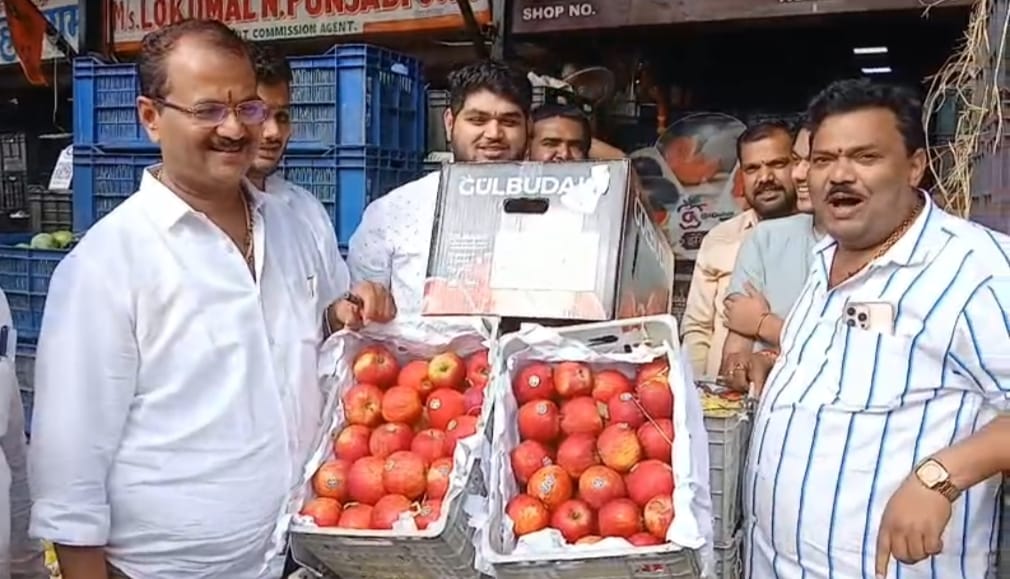
Market Yard, 12th May 2025: In response to Turkey’s support for Pakistan amid India-Pakistan tensions, fruit traders and consumers in Pune have initiated a boycott of Turkish apples, leading to their disappearance from the city’s prominent wholesale markets.
Turkish apples, which were earlier arriving in substantial quantities at the Pune Agricultural Produce Market Committee (APMC) yard, have suddenly vanished as traders and buyers rally behind a nationwide “Ban Turkey” trend. The move is being seen as a grassroots protest against Ankara’s diplomatic stance, which many Indians have found unacceptable during a time of heightened national sensitivity.
“We used to receive significant consignments of apples from Turkey,” said Suyog Zende, a fruit trader operating in the Market Yard. “In the coming weeks, fruits like cherries, plums, and pears from Turkey were also expected to enter the market as part of the regular three-month import season. However, following Turkey’s open support to Pakistan, there is strong resentment among buyers and traders alike.”
Zende highlighted that the seasonal fruit trade, including Turkish imports, typically sees business worth nearly ₹1,000 crore across India. “By halting imports from Turkey, there will be considerable economic impact for them. But this is about patriotism. If a country is openly siding with those hostile to us, then as citizens, it’s our responsibility to respond in our own way—even if it means affecting trade,” he added.
Customers visiting the market have echoed similar sentiments. “If Turkey is supporting a nation that threatens India’s peace, why should we support their economy by buying their products?” asked Rajesh Patil, a regular buyer. “It’s a small gesture, but it sends a message.”
The boycott has not only impacted Turkish apple imports but has also shifted demand towards apples from other countries such as the USA, Chile, and New Zealand, which continue to maintain neutral or supportive diplomatic ties with India.
While the move is not officially backed by any government directive, it reflects a growing sentiment among citizens who are choosing to express their geopolitical concerns through consumer choices. The market dynamics in Pune—and potentially across other Indian cities—are likely to evolve further as diplomatic developments unfold in the coming days.
For now, Turkish apples have vanished from Pune’s fruit markets, replaced by a louder message of economic nationalism resonating through crates of produce.