Young Public Health Leaders Discuss AI, One Health and Disease Surveillance at AFMC Pune
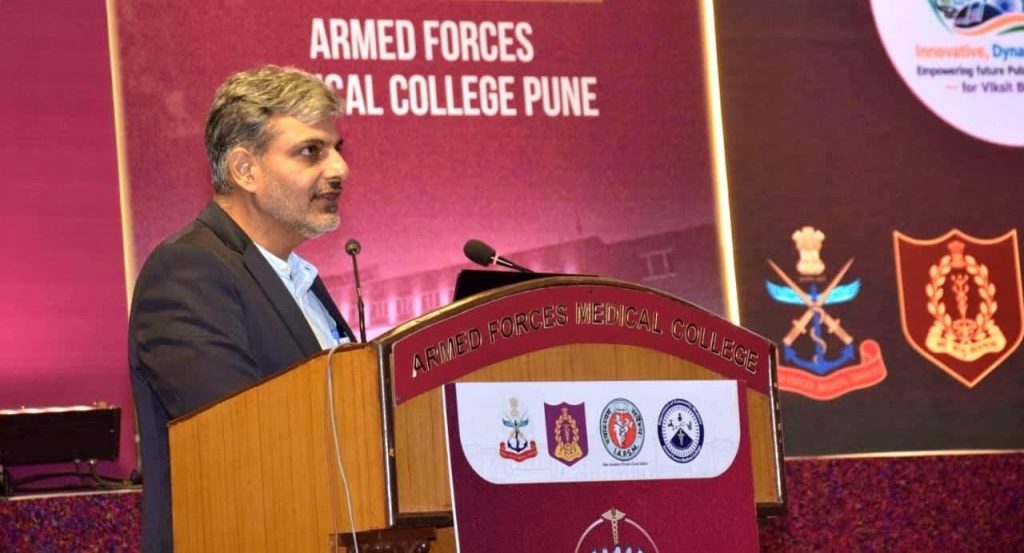
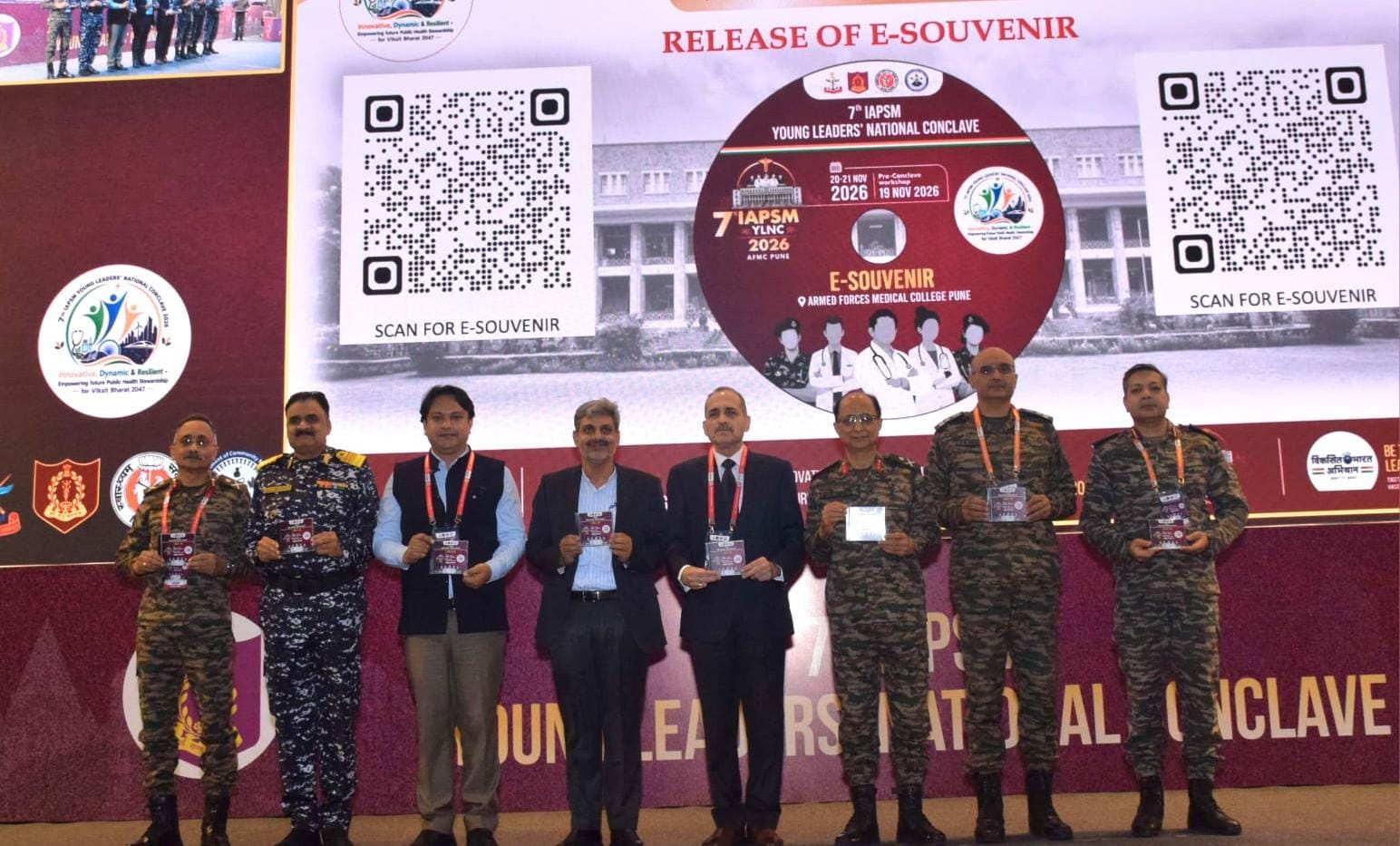
Pune, 25th November 2026: The Department of Community Medicine, Armed Forces Medical College (AFMC), Pune, successfully organised the three-day 7th IAPSM Young Leaders’ National Conclave (YLNC 2026) from November 19 to 21, 2026, under the aegis of the Indian Association of Preventive and Social Medicine (IAPSM).
The conclave was held at AFMC, Pune, on the theme “Innovative, Dynamic & Resilient – Empowering Future Public Health Stewardship for Viksit Bharat 2047”.
The event brought together young public health professionals, national experts, academicians, epidemiologists, researchers, postgraduate students and medical professionals from across the country to deliberate on contemporary public health challenges, emerging healthcare priorities and innovative approaches in preventive and social medicine.
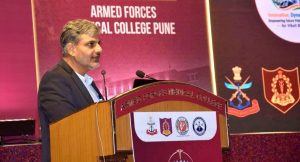
Dr Nipun Vinayak, IAS, Principal Secretary, Public Health Department, Government of Maharashtra, inaugurated the conclave and delivered the keynote address. He emphasised the importance of innovation, evidence-based practices and collaborative approaches in shaping the future of public health.
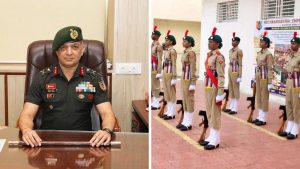
Surgeon Vice Admiral Manish Honwad, VSM, Director and Commandant of AFMC, attended the inaugural ceremony as the Guest of Honour.
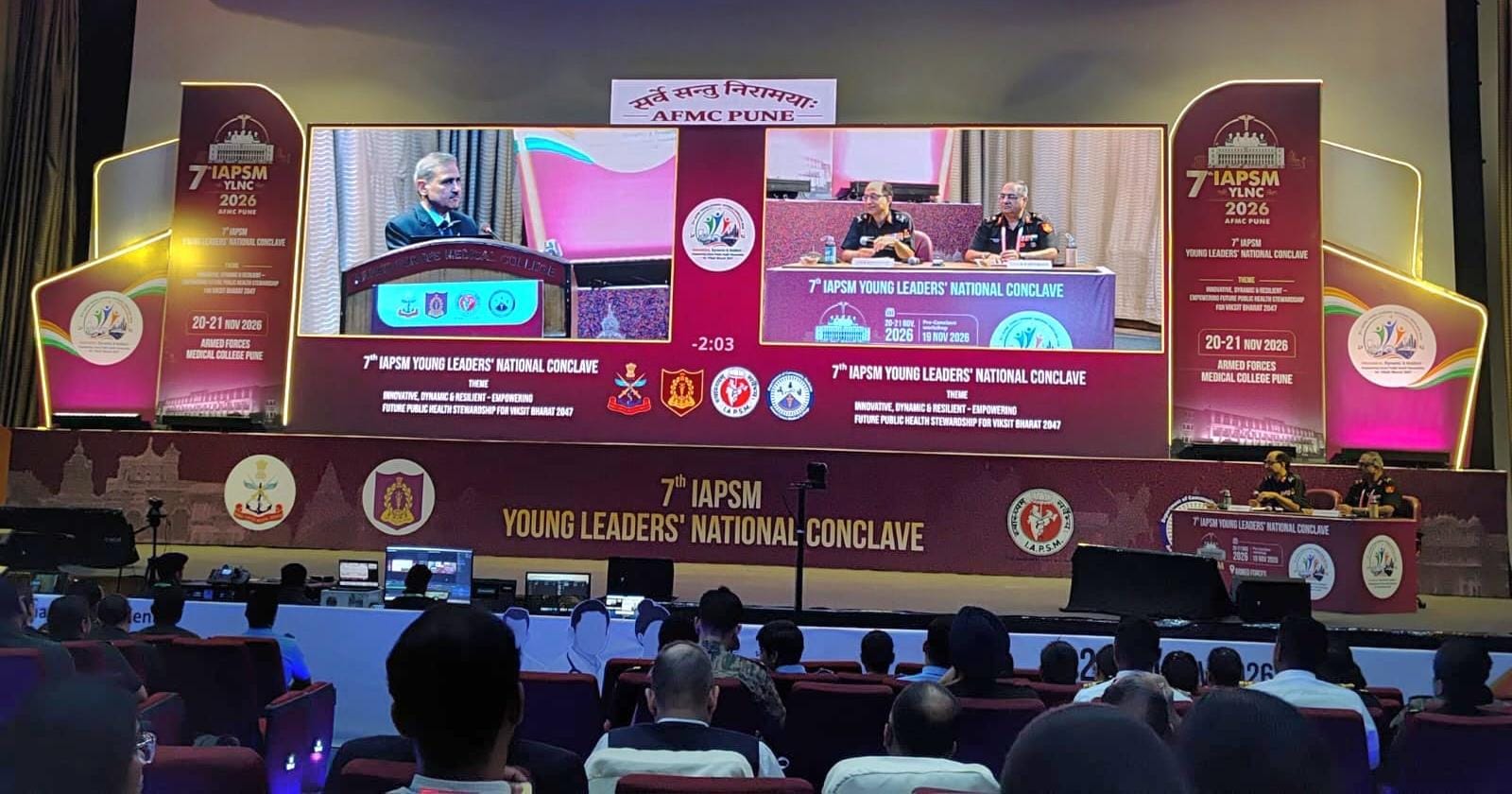
Pre-Conclave Workshops Focus on Emerging Public Health Tools
The pre-conclave programme on November 19 featured several hands-on workshops covering topics such as questionnaire development and validation, Geographic Information Systems (GIS) for public health, dengue bionomics, surveillance and control, health technology assessment, grant writing and budgeting, best practices and ethical use of artificial intelligence (AI), prediction modelling, systematic reviews and meta-analysis.
The workshops provided participants with practical exposure to contemporary research tools, analytical techniques and emerging approaches in public health.
Scientific Sessions Address Key Public Health Challenges
The main conclave, held on November 20 and 21, featured scientific plenary sessions, expert lectures and panel discussions.
The deliberations covered a wide range of subjects, including artificial intelligence and big data in public health, disease surveillance and outbreak response, neglected tropical diseases, HPV vaccination, future-ready health systems, antimicrobial resistance, One Health, travel health and preventive healthcare for rural women.
Discussions also focused on mentorship, career opportunities and the role of innovation in strengthening public health systems.
Six Competitions Highlight Young Talent
Six competitions — Young Leaders’ Parliament, Public Health Hackathon, Quiz, Visual Storytelling, Content Creation and Lens on Photography — were among the major attractions of the conclave.
These competitions provided a platform for young professionals to demonstrate their leadership, problem-solving abilities, scientific knowledge and creative communication skills.
The Young Leaders’ Parliament encouraged participants to deliberate on public health policies and legislation, while the Public Health Hackathon focused on developing innovative solutions to real-world public health challenges.
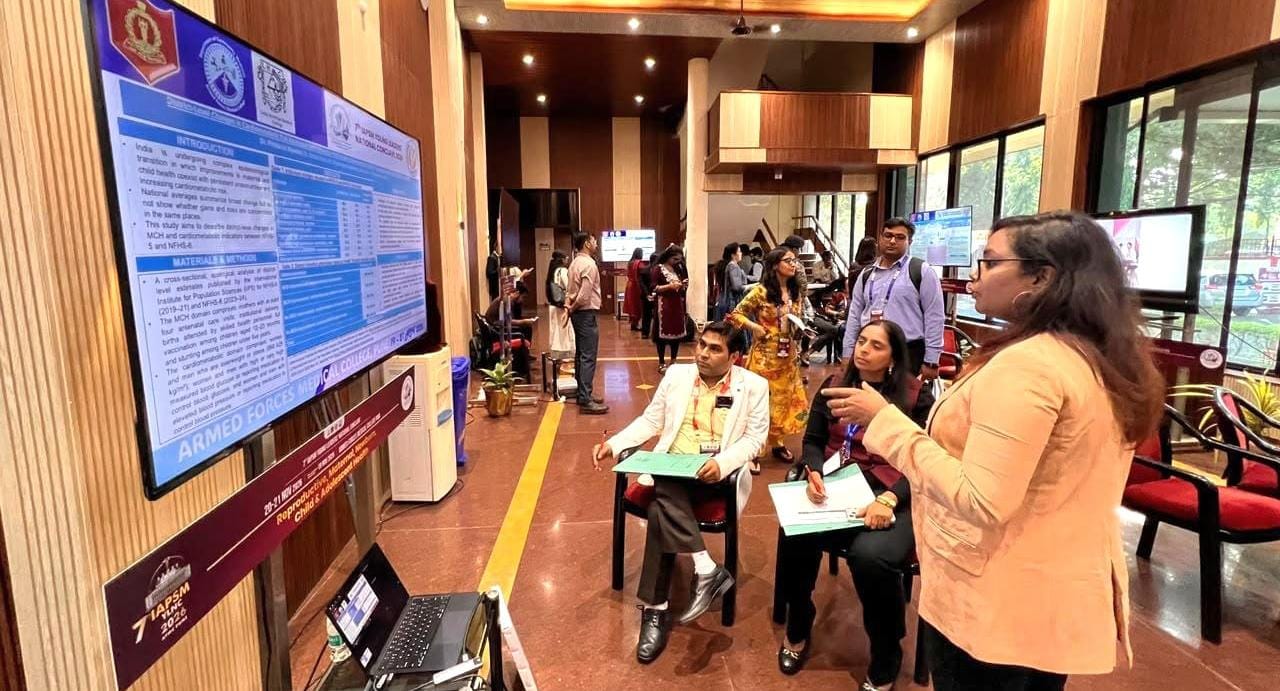
The conclave also featured scientific paper and poster presentations by young faculty members, researchers and postgraduate students. The presentations provided participants with an opportunity to showcase their research findings and interact with eminent academicians and public health experts. Winners were awarded cash prizes and certificates.
Conclave Concludes with Valedictory Session
The three-day event concluded on November 21 with a valedictory session and closing remarks by Brigadier VS Grewal, Professor and Head of the Department of Community Medicine and Chairperson of the Organising Committee, YLNC 2026.
The conclave reaffirmed AFMC and IAPSM’s commitment to nurturing future public health leaders and advancing preventive and social medicine in India.