500 Surgeries Delayed at Pune’s Sassoon Hospital as Nurses’ Strike in Maharashtra Government Hospitals Enters Sixth Day
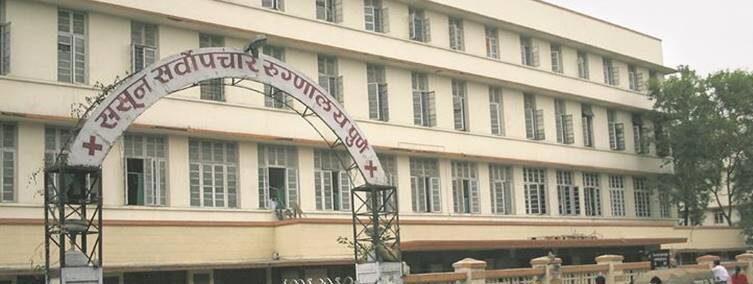
Pune, 24th July 2025: The statewide nurses’ strike at government hospitals has entered its sixth day, severely impacting healthcare services and delaying hundreds of surgeries. Maharashtra Health Minister Prakash Abitkar has assured that a high-level meeting will be convened shortly to address the protesting nurses’ concerns.
“We are taking the matter seriously and will soon hold discussions with the Chief Minister and the Medical Education Minister to resolve the issues,” Abitkar said on Wednesday.
Despite a recent meeting between the nurses’ union and Medical Education and Research Minister Hasan Mushrif, there has been no breakthrough. As a result, government-run hospitals, including Pune’s Sassoon General Hospital (SGH), continue to struggle with staff shortages and delayed medical procedures.
Over the past six days, nearly 500 major and minor surgeries at SGH have been postponed indefinitely. Additionally, the hospital has had to turn away approximately 1,300 new patients due to the ongoing strike.
Speaking about the developments, Minister Abitkar said, “We had a constructive discussion with the nurses’ representatives on Tuesday regarding the health department’s concerns. We have also requested a joint meeting involving the Chief Minister and the Director of Medical Education and Research (DMER). We are trying our best to address what is within our scope. However, some core demands require intervention at the highest level.”
The central point of contention remains the government’s policy of appointing nurses on a contractual basis — a move strongly opposed by the union. The striking nurses are demanding permanent positions and better working conditions.
Meanwhile, services at Sassoon General Hospital remain under strain despite efforts to manage the situation. Dr. Yallapa Jadhav, Medical Superintendent of SGH, said that on Wednesday, the hospital received around 100 additional nurses from private nursing colleges to temporarily fill the gaps.
“Our outpatient and emergency departments are functioning normally,” Dr. Jadhav said. “But the strike is affecting scheduled surgeries and new admissions. Around 400 nurses are currently participating in the protest.”
He highlighted the crucial role nurses play in hospital operations, noting, “Nurses maintain vital patient records like temperature, respiration, and pulse. They also administer medications, supervise Class IV staff, ensure ward hygiene, and coordinate patient nutrition based on dietary plans.”
With no resolution in sight and the nurses’ association continuing to press for a joint meeting with top government officials, hospital services are expected to remain disrupted.