Pune’s Rise as India’s Most Affordable Metro: What It Means for Homebuyers and Developers
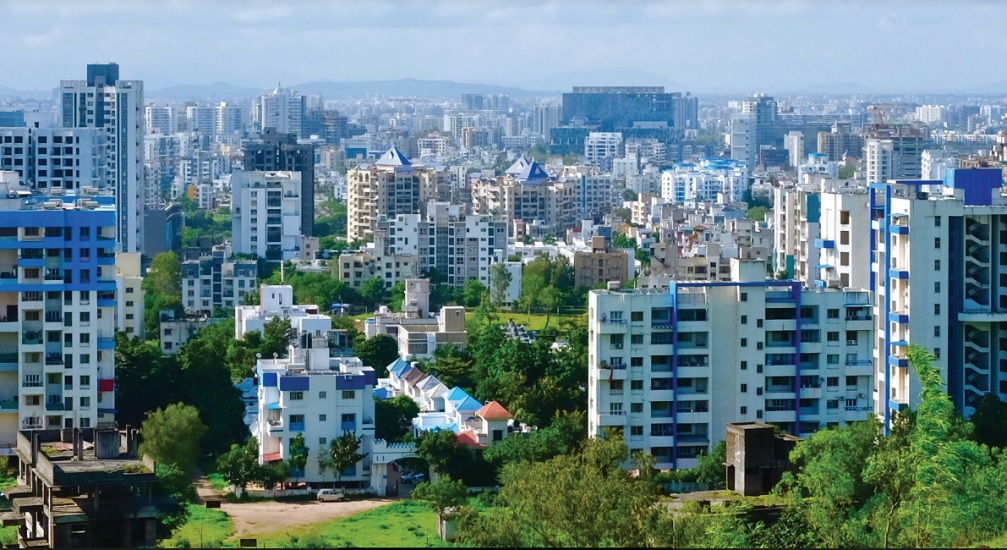
Pune, 24th July 2025: At a time when real estate prices are escalating across India’s major metros, Pune, one of the oldest cities in the country, has quietly claimed a unique distinction — it is now India’s most affordable metro city for homebuyers. According to Knight Frank’s Affordability Index for H1 2025, Pune not only outperforms other value-driven markets like Ahmedabad and Kolkata but also offers a compelling alternative to costlier metros such as Mumbai, Delhi NCR, and Bengaluru.
Unlike metros where skyrocketing prices have placed homes out of reach for the average buyer, Pune’s property market has remained consistently stable, particularly in the mid-income segment. A strong housing supply in the ₹40–75 lakh bracket has kept price appreciation in check, while meeting the aspirations of first-time buyers and nuclear families.
Compared to other major cities, Pune offers notable affordability in housing. A home that costs an average of Rs 73 lakh in this city is significantly less expensive than one in Mumbai or Bengaluru, and is under half the average property cost in Delhi.
Several factors have contributed to this level of affordability. One of them is the availability of developable land in Pune’s expanding suburbs, such as Wagholi, Tathawade and Ravet, has enabled real estate projects to scale up without the premium land costs seen in land-starved cities like Mumbai. Government infrastructure investments have also played a major role – right from the Pune Metro to the proposed Ring Road. They have not only enhanced connectivity but also improved access to fringe areas without radically pushing up prices.
Homebuyers find that the city offers a desirable mix of affordability and quality, ensuring they receive great value for their money. A ₹60-lakh home typically offers more space, better air quality and easier commutes compared to similarly priced properties in Mumbai or Bengaluru. Areas like Hinjewadi, Viman Nagar and Baner have access to thriving IT hubs, educational institutions, and lifestyle infrastructure, making them great places to live. While proximity to these crucial places enhances the standard of living, it also multiplies the long-term value of the properties purchased in these areas.
The city is particularly appealing to India’s mobile workforce, including IT professionals, manufacturing sector employees, and NRIs returning back to the country for good. They seek value without compromising on lifestyle. For investors, the lure is equally strong as rental yields in educational and tech belts have remained healthy due to their demand among students and working professionals.
Pune’s affordability is also a major draw for developers, especially those focused on mid-income and budget housing. The demand in this segment continues to rise, and it is largely driven by end-users. This has encouraged several national developers to enter the Pune market via joint ventures or independent projects.
While infrastructure development will remain a crucial driver of Pune’s real estate story, the ongoing Smart City initiatives are also improving urban infrastructure, from waste management to digitised civic services, further boosting the city’s appeal.
However, the road ahead is not without challenges. To sustain its growth, the city must address two key challenges. First, infrastructure in its rapidly growing suburbs often fails to keep pace with development, creating a gap in essential services like transport and utilities. Second, affordability is at risk as developers rush to capitalise on demand. There is a risk of price inflation, which threatens to inflate prices and sideline average homebuyers.
For the city to retain its edge, it must focus on planned, sustainable growth. Developers, urban planners, and policymakers need to work in tandem to ensure infrastructure keeps pace with real estate expansion and that affordability does not come at the cost of liveability.
Pune’s emergence as India’s most affordable metro is a sign of its evolving urban and economic promise. For homebuyers, it presents a rare chance to own quality real estate in a growing city. For developers, it offers the opportunity to participate in a market where affordability, demand, and aspiration intersect. In the coming years, how the city manages this growth may well serve as a model for balanced urban development across India.
(The article is authored by Ram Naik, Co-Founder and CEO of The Guardian Real Estate Advisory.)