RBI Imposes Six-Month Freeze on Mumbai’s New India Co-operative Bank Amid Lending Irregularities
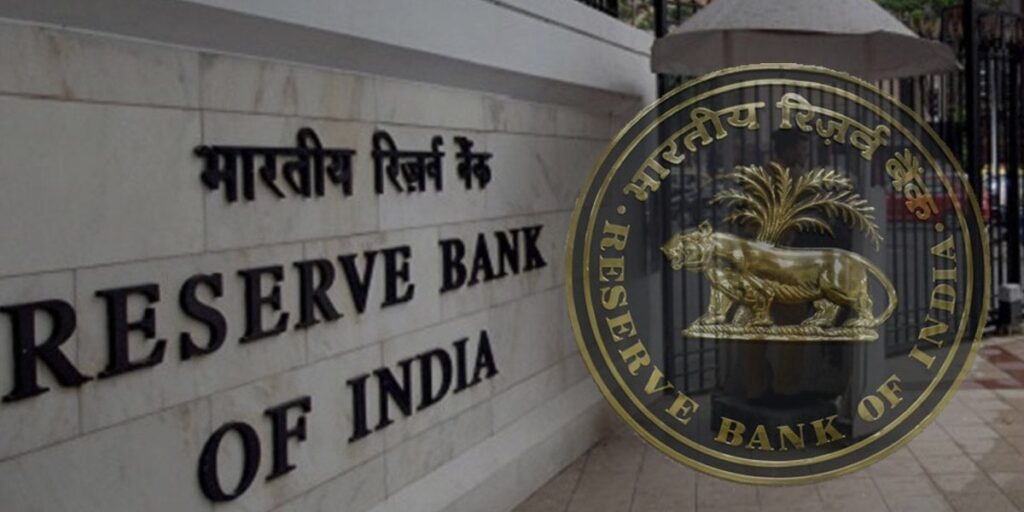
Mumbai, 15th February 2025: Following the Reserve Bank of India’s (RBI) decision to impose a six-month restriction on financial transactions at Mumbai-based New India Co-operative Bank Ltd due to irregular lending practices, concerned customers flooded the bank’s branches on Friday, seeking access to their hard-earned savings.
While customers were allowed to retrieve valuables from their lockers, all withdrawal requests were denied. Notices posted at branch entrances stated that deposits would be refunded in approximately 90 days. In response to growing tensions, police were deployed at multiple locations to manage the crowds.
New India Co-operative Bank operates 24 branches, with 17 in Mumbai, four in Thane, two in Palghar, and one in Navi Mumbai.
On Thursday, the RBI issued a directive prohibiting the bank from granting or renewing loans, making new investments, incurring liabilities, borrowing funds, or accepting fresh deposits without prior approval from the central bank.
The following day, the RBI announced it had taken control of the bank’s operations, dissolved its board of directors, and appointed Shreekant, a former chief general manager of the State Bank of India, as administrator for a one-year term.
When journalists visited the bank’s Vasant Vihar and Mulund branches, they encountered anxious customers waiting in long lines, desperate for clarity on their financial situation.
Laxman Bhoir, a 47-year-old labourer, was pacing outside the Vasant Vihar branch in Thane, anxious about when he could withdraw his mother’s savings. He explained that he had invested ₹3-4 lakh from his father’s gratuity and his mother’s savings into a fixed deposit without informing her.
“My mother has no idea that her money is stuck in this bank. She has a heart condition, and I fear how she will react when she finds out,” he said.
Another distressed customer, Jaydeep Gaikwad, arrived at the branch around noon, hoping to withdraw money for his father’s medical treatment. “I have ₹3 lakh in my account, but I’m being told I can’t access it. I have no idea what to do now,” he said.
Police officers stationed at the bank reported that customers had been lining up since 8 a.m., with rising frustration leading to arguments and minor scuffles. “We were deployed at 9 a.m. after being informed about the growing tensions,” one officer stated.
Sunil Tamandvar, 52, said he had received a token granting him access to his locker on Saturday, but his long-term savings worth several lakhs remained inaccessible.
“This situation is devastating. I have crucial financial commitments, yet I can’t access my own money,” he lamented.
A similar scene unfolded at the Mulund branch, where customers were permitted to retrieve items from their lockers but were denied cash withdrawals.
Jayesh Thakkar, a customer, described the ordeal: “We have been waiting in line for hours just to get a token so we can access our lockers. But we also have fixed deposits, and there’s no clarity on when we’ll get our money back.”
Further adding to the uncertainty, a notice displayed at one of the branches read:
“Your deposits up to ₹5 lakh are insured with the Deposit Insurance and Credit Guarantee Corporation of India and will be reimbursed in approximately 90 days.”
This left customers in the dark regarding deposits exceeding ₹5 lakh.
“We invested ₹75 lakh in fixed deposits just a few days ago. Now we don’t know what will happen to our money,” an elderly customer said.
Many customers also reported that net banking and UPI transactions were unavailable, further complicating their ability to access funds.
Ripple Effects and Concerns
Consumer rights advocate Shirish Deshpande, chairman of Mumbai Grahak Panchayat, penned a letter to the RBI governor on Friday, warning that the transaction freeze would cause widespread disruptions. He urged the central bank to hold discussions with affected customers and explore alternative solutions.
“Several individuals and cooperative housing societies have contacted us, worried about their ability to pay bills, taxes, and daily expenses. Additionally, those with loans from the bank will face bounced EMIs, potentially being classified as defaulters. The impact is severe,” he explained.
Deshpande stressed that customers deserved transparency regarding the bank’s issues and that the RBI must involve them in discussions to find viable alternatives.
“Six months is an unreasonably long time for people to be denied access to their own money,” he added.
As of now, the RBI has not issued a response.