Where Devotion Walks: Rhythm Wagholikar on the Eternal Soul of the Palkhi Tradition
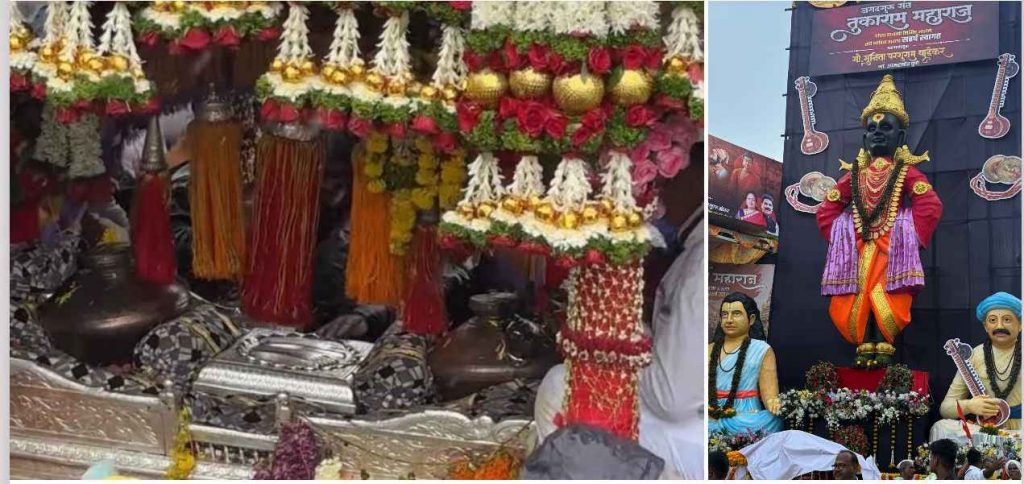
Pune, 20th June 2025: Every monsoon, as Maharashtra’s skies darken with the scent of rain and the parched earth prepares for renewal, a quiet miracle begins to stir. It doesn’t come with celebrity endorsements or social media hashtags. It doesn’t demand attention—but it commands it. It’s the Palkhi tradition, a living pilgrimage where devotion is not just expressed, but embodied, mile after barefoot mile.
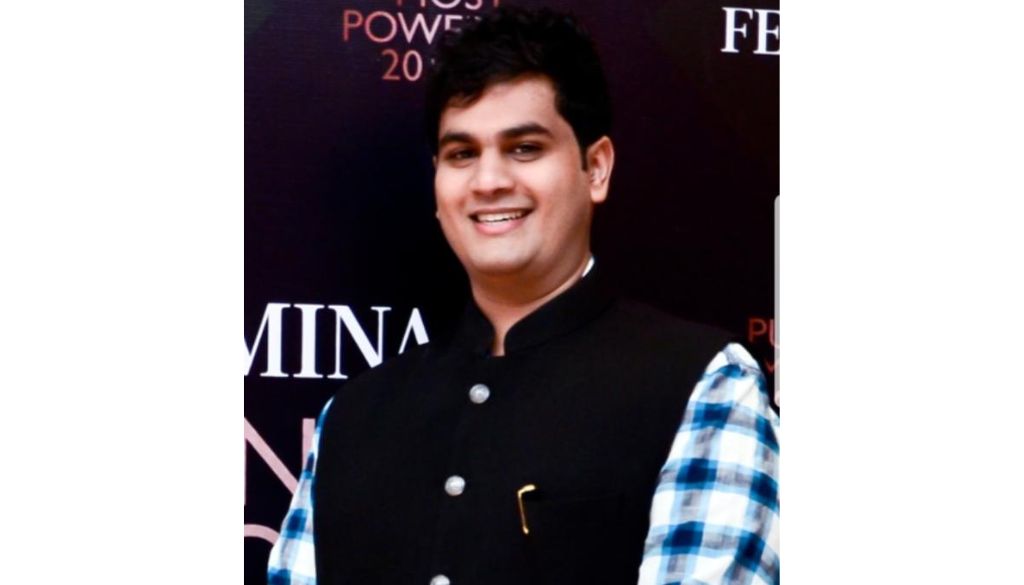
For Rhythm Wagholikar, author and cultural chronicler, the Palkhi is not merely a procession—it’s a heartbeat of Maharashtra. “The Palkhi is not just a walk to Pandharpur,” he says. “It is a walk back to our roots, to simplicity, to surrender, and to something far greater than ourselves.”
A Legacy Carried Forward
The tradition traces back over 700 years, when two towering saints—Sant Dnyaneshwar of Alandi and Sant Tukaram of Dehu—left behind legacies that still stir the soul of Maharashtra. Their padukas (sacred footprints) are carried in ornate palkhis (palanquins), followed by thousands of Warkaris—devotees who sing abhangs, beat dhols and mridangs, and walk with unshakable faith.
“To witness the Palkhi,” says Rhythm, “is to witness Maharashtra’s soul in motion.” It is not just a spiritual tradition, but a cultural phenomenon—where devotion transcends caste, creed, and class. “You’ll see a farmer, a schoolboy, a grandmother, and a corporate employee—all walking together, all singing the same song,” he says. “The Palkhi is the great equalizer. In that moment, identity dissolves. What remains is pure bhakti.”
The Land that Walks With You
What moves Rhythm the most isn’t just the people—it’s the land. The Sahyadri hills, ancient and unyielding, line the path of the Palkhi like silent guardians. “These aren’t just hills,” Rhythm reflects. “They are storykeepers. Every rock has heard a chant, every breeze has carried a prayer. This land breathes with the devotion of generations.”
The route transforms into a living tapestry: villagers turning hosts, strangers offering food to strangers, homes opening without hesitation. “The Palkhi is a moving museum of values,” says Rhythm. “Hospitality, humility, and harmony—they aren’t practiced, they’re lived.”
Tradition in Step With Time
But the Palkhi is not stuck in time—it moves with it. In an era of haste, isolation, and endless noise, this slow, deliberate walk becomes a counterpoint to modern life. “It reminds us that spirituality isn’t confined to temples or texts,” Rhythm says. “It’s in the dust of the road, in the rhythm of feet, in the silence shared between strangers.”
For younger generations seeking identity and meaning, the Palkhi offers a powerful anchor. “When a young Warkari sings a 700-year-old abhang, he isn’t preserving tradition—he is tradition,” Rhythm points out. “Tradition isn’t static. It’s walking. It’s breathing. It’s alive.”
A Journey Inward
In Rhythm Wagholikar’s words, the Palkhi becomes not just a pilgrimage to Pandharpur—but a journey inward. It is about movement with meaning, devotion without division, and faith without fanfare.
“As the saffron flags rise and the drums echo through monsoon winds,” he says, “the Palkhi reminds us that the truest form of worship might just be a pair of tired feet, walking home.”
In the Palkhi, Maharashtra doesn’t just remember its saints—it walks with them. And in every step, as Rhythm puts it, lies a timeless message:
“Devotion never tires. It walks. Forever walking, never weary.”