Maharashtra: MSRTC Pune Division to Scrap Loss-Making Routes, Add 150 New Buses by Year-End
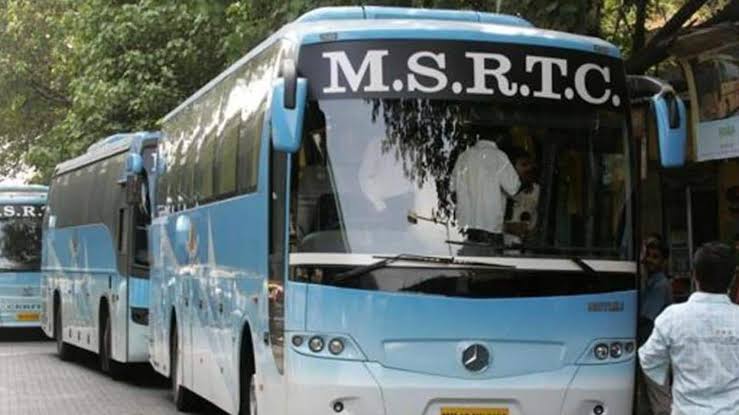
Pune, 2nd July 2025: In a significant overhaul of its operations, the Pune division of the Maharashtra State Road Transport Corporation (MSRTC) has announced plans to discontinue services on non-profitable routes as part of a strategic move to enhance financial sustainability and operational efficiency.
The route restructuring plan aligns with the findings of a recently released white paper on MSRTC operations, tabled by Maharashtra Transport Minister Pratap Sarnaik. The Pune division has since begun reevaluating all existing routes to focus on demand-driven and revenue-generating corridors.
“We are in the process of identifying routes that consistently incur losses. These routes will be discontinued,” said Arun Siya, Divisional Controller, MSRTC Pune.
“Our focus is to strengthen services on long-distance and high-demand routes by introducing CNG and electric buses, while gradually retiring outdated vehicles from the fleet.”
As part of the overhaul, 150 new buses will be inducted into the Pune division’s fleet by the end of this year. Of these, 70 buses have already been deployed across major depots for long-distance travel, while the remaining will be rolled out in phases over the coming months.
The Pune division currently operates 14 depots and 42 bus stations, managing a fleet of approximately 850 buses, including:
64 electric ‘Shivai’ buses
36 Volvo ‘Shivshahi’ luxury buses
200 CNG buses
The upcoming fleet additions will primarily serve popular intercity routes, ensuring better fuel efficiency, lower maintenance costs, and improved commuter experience.
“We are working on a revised timetable that prioritizes routes with consistently high ridership. This will help reduce unnecessary operational expenses such as driver-conductor wages, routine maintenance, and peak-season overheads,” Siya explained.
According to internal data, the Swargate and Shivajinagar depots alone generated approximately ₹55 crore in monthly revenue in the financial year 2024–25. The restructuring plan aims to boost this figure to ₹65 crore per month through more targeted route planning and efficient use of resources.
“This reorganization is not just about cutting losses — it’s also about delivering better services to passengers. We cannot afford to run buses on routes where occupancy is low and operational costs outweigh the returns,” Siya added.