Pune: PMC Explores Jambhulwadi Lake as Potential Drinking Water Source, Residents Raise Concerns

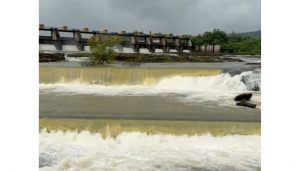
Katraj, 2nd July 2025: In an effort to address the ongoing water scarcity in Katraj and surrounding areas, the Pune Municipal Corporation (PMC) is considering the use of Jambhulwadi Lake as a supplementary drinking water source. A detailed project report (DPR) is currently being prepared by the civic body’s water supply department to assess the feasibility of supplying water from the lake to nearly 30,000 residents in nearby localities.
However, the move has met with skepticism from local residents, who question the administration’s commitment to the initiative.
“The PMC needs to carry out a comprehensive study to determine whether the lake water is fit for drinking. Even if it’s not, the water could be treated and used for non-potable purposes,” said a local resident of the area.
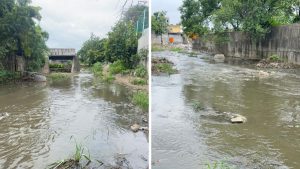
“They had recently cleared hyacinth from the lake, but with untreated wastewater being released into it again, the weed has already started to return.”
PMC officials acknowledged that the proposal is still in its initial stages, and any further steps will depend on the recommendations of the DPR.
“We are evaluating all possibilities. The DPR will give us a clear picture of whether the lake water can be treated to meet drinking standards,” said a senior PMC water supply department official, requesting anonymity.
Despite regular deployment of municipal water tankers, several newly merged areas in the city continue to suffer from inadequate water supply. Residents often rely on expensive private tankers to meet their daily needs.
In addition to Jambhulwadi Lake, PMC is also exploring alternative water sources such as small ponds located in the Katraj hill region. According to civic sources, one such pond near Bhilarewadi has been identified as a possible source.
Parvati MLA Madhuri Misal had previously proposed utilizing these hilltop ponds to ease the water crisis. She had urged the PMC to assess whether water from these ponds could be lifted and integrated into the supply system.
“These water bodies hold potential if managed and treated properly. The administration must act quickly before the scarcity worsens,” Misal had said in an earlier communication with civic officials.