Pune: NGT Directs PMC, Gram Panchayats to Stop Sewage Pollution in Ramnadi Within Six Months
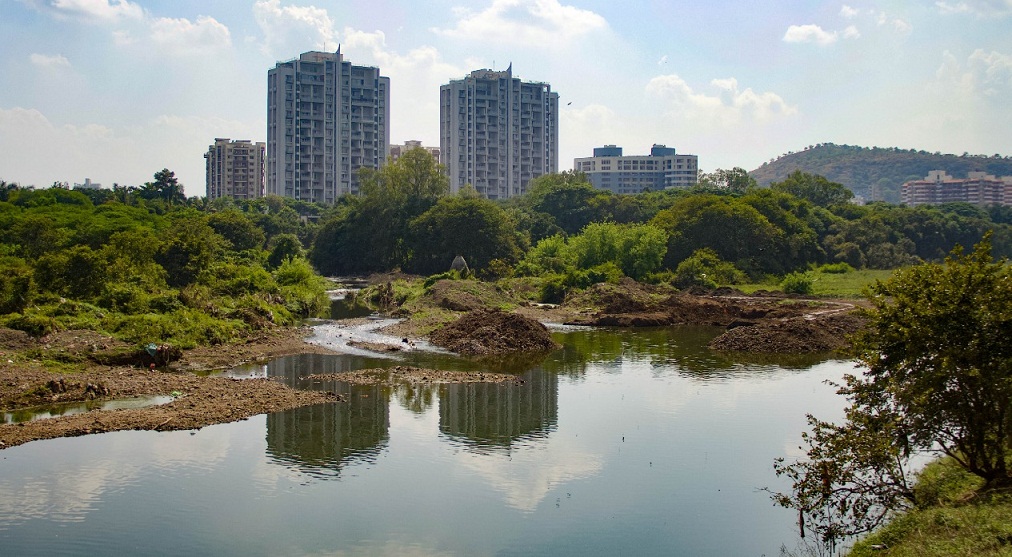
Pune, 26th July 2025: In a significant ruling aimed at curbing the pollution of Pune’s Ramnadi river, the National Green Tribunal (NGT) Western Zone Bench has directed the Pune Municipal Corporation (PMC) and the Bhugaon and Bhukum Gram Panchayats to stop the discharge of untreated sewage into the river and to establish proper drainage networks and sewage treatment plants (STPs) within six months.
The judgment was delivered by Justice Dinesh Kumar Singh (Judicial Member) and Dr. Vijay Kulkarni (Expert Member) in response to an application filed by Krunnal Narayan Gharre, a resident of Bavdhan, who raised concerns about large-scale pollution in the Ramnadi due to untreated domestic sewage, broken sewer lines, and unchecked garbage dumping.
23 Sewage Discharge Points Identified
The applicant highlighted 23 specific locations, particularly in the Bhugaon and Bhukum areas, where untreated sewage was flowing directly into the Ramnadi. He also alleged that sewage lines were illegally connected to stormwater drains, leading to contamination of natural freshwater springs.
Despite multiple complaints and follow-ups with PMC, the Maharashtra Pollution Control Board (MPCB), and other local authorities, no substantial action was taken, prompting the petition.
Key Directions from the Tribunal:
PMC must complete the construction of drainage systems and STPs in the 23 newly merged villages, including Bavdhan Budruk, within six months.
Stormwater lines currently carrying domestic sewage must be disconnected immediately, and sewage must be redirected through proper treatment channels.
Bhugaon and Bhukum Gram Panchayats must stop the flow of untreated sewage through existing underground lines unless the waste is treated through functional STPs.
All authorities have been instructed to prevent garbage dumping on the banks of Ramnadi and take penal action—including filing FIRs—against those found responsible.
The tribunal warned that pollution from Ramnadi is also affecting Pashan Lake, and controlling upstream contamination is crucial.
Jurisdictional Conflicts Exposed
The hearing revealed serious coordination gaps between PMC, the Pune Metropolitan Region Development Authority (PMRDA), and local panchayats. While PMC claimed that some polluting zones fall under PMRDA or Zilla Parishad, the NGT emphasized that all authorities must share responsibility and act urgently.
The applicant argued that construction permissions were granted without ensuring sewage infrastructure, a claim that the tribunal found valid. PMRDA maintained that it functions only as a planning authority, but the tribunal observed that under the Maharashtra Metropolitan Region Development Authority Act, PMRDA is also empowered to execute infrastructure projects.
Applicant’s Appeal for Accountability
Krunnal Gharre, the applicant, submitted that the lack of coordination between planning bodies and executing agencies is the root cause of Ramnadi’s decline. He urged that construction permits be made conditional upon the availability of sewage and drainage systems, a suggestion the tribunal found meritorious but deferred for now, stating that such policy-level decisions require further deliberation with the state government.
The tribunal acknowledged the severe pollution in Ramnadi and directed all concerned authorities to act decisively and within set timelines. It also disposed of an interim injunction application, stating that the main petition’s directions adequately cover the relief sought.
The order marks a strong step toward reviving Ramnadi, a 19.5-km river that flows from the Sahyadris to the Mula River, and is vital to the ecology and residents of Pune’s western suburbs.