Easy Wellness Tips for Maintaining Liver Health and Digestive Balance
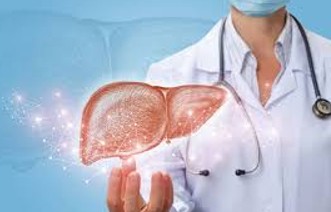
Pune, 29 july 2025: Keeping good liver function and healthy digestion is vital for our health. The liver is essential for detoxification, processing nutrients, and making bile, while a healthy digestive tract can produce good absorption and elimination of toxins. You will be able to help these organs out by simple, evidence-based practices, which can lead to years of optimal health.
Begin with a Balanced Diet
- Fibre-rich Foods: Whole grains, fruits, vegetables and legumes improve the gut transit and sustain the good gut bacteria.
- Lean protein: sources, such as chicken, fish, tofu, and legumes, provide essential amino acids for liver repair that do not come with an excess of saturated fat.
- Beneficial Fat: Monounsaturated and polyunsaturated fats in olive oil, nuts and seeds promote bile movement and eliminate inflammation.
- Berries, leafy greens and cruciferous vegetables (such as broccoli and Brussels sprouts): These antioxidant-rich foods support liver cells by providing vitamins C and E, which shield them from oxidative damage.
- Minimise processed foods: Decreased sugar, refined carbohydrates and trans fats help to avoid fatty liver and dysbiosis.
Also, a lot of people find it helpful to take a quality good health capsule (milk thistle extract, dandelion root and digestive enzymes). Studies over the past few years have noted these nutrients as providing support for liver detoxification pathways , promoting better breakdown of nutrients.
Stay Hydrated
Water is essential for both liver detoxification and bowel regularity:
- Minimum: At least 2–3 litres of clean water or more during exercise or in hot climates.
- Herbal teas: Peppermint or ginger tea relaxes the lining of the digestive tract and may help to reduce bloating.
- Moderate Diuretics: Too much coffee or caffeinated beverages makes for dehydration; balance every cup with yet another glass of water.
New research shows that even mild dehydration will decrease bile secretion and disrupt fat digestion, causing gallstone risk.
Incorporate Regular Exercise
Exercise has many positive effects on liver and gut health:
- Helps with Insulin Sensitivity: Both aerobic and resistance exercises lower liver fat deposition.
- Improves Intestinal Motility: Activities such as walking, cycling or yoga are beneficial and may prevent constipation.
- Decreases Inflammatory Cytokine: Exercise has been shown to reduce non-alcoholic fatty liver disease (NAFLD) promoting pro-inflammatory cytokines.
- Manage your stress levels: Chronic stress and not enough sleep interfere with how you digest something and the liver.
- Ideal sleep duration: Seven to eight hours of sleep per night. Deep sleep supports nightly liver regeneration, and hormonal balance.
- Relaxation Techniques: Mindfulness, deep-breathing exercises and guided imagery lower cortisol, which otherwise encourages storage of fat in the liver.
- Routine: Maintaining regular sleeping and rising times normalizes circadian rhythms that govern both bile secretion and bowel movement.
A recent analysis concluded that moderate exercises of only 150 minutes weekly can significantly reduce liver enzymes levels and improve general hepatic function.
Embrace Gut-Friendly Habits
That means a healthy microbiome is foundational to a balanced digestive system and it could implicate liver health as well via the gut–liver axis:
- Probiotics & Prebiotics: Yogurt, kefir and fermented vegetables are sources of helpful flora, and onions, garlic and asparagus are sources of food for them.
- Recent Advance: One new study has shown probiotic strains that lower gut permeability (also known as “leaky gut”) can be helpful to relieve the liver of the toxic burden.
- Be Mindful Eating: Chewing well and eating slowly helps in the mechanical digestion and enzymes’ activity in the stomach.
Limit Alcohol and Toxins
When a toxic load from excess alcohol and environmental chemicals stress the liver:
- Limit alcohol: Recent recommendations state to limit alcohol intake to no more than one drink per day for women and two for men.
- Prevent Overuse of OTC: Hepatic injury can occur with excess acetaminophen or NSAIDs
Herbal and nutritional support
Some herbal extracts and nutrients support detoxification and digestion by the liver:
- Milk Chistle (Silymarin): increases antioxidant defences and liver cell regeneration.
- Turmeric (Curcumin): Helps with hepatic inflammation and supports bile production
- Artichoke Leaf Extract: May increase bile flow, and can also support liver cholesterol metabolism
- Digestive enzymes: Supplements containing lipase, protease and amylase may help with exocrine deficiency.
It is important to choose supplements that are standardised and third-party tested for potency and purity.
Regular Liver Monitoring
Doing prevents the growth of liver or digestive problems through early detection of these issues:
- Routine Blood Tests: Liver enzymes (ALT, AST, GGT) and bilirubin levels, indicators of hepatic stress.
- Imaging if indicated: Ultrasonography or transient elastography to evaluate for fatty liver or fibrosis in at-risk populations.
- Stool Test: Looks for malabsorption, dysbiosis and for any hidden infections.
Discuss with your doctor what an appropriate screening interval is based on your individual risk profile.
Latest Trends and Future Directions
Novel innovations provide potential paths for liver and gut health:
- Fasting-Mimicking Diets: Short, cyclical fasting protocols show promise for decreasing hepatic steatosis and promoting diversity in gut microbiota.
- Probiotics: For balancing the gut flora.
- Non-Invasive Biomarkers: Researchers are studying blood tests assessing microRNA profiles to identify early liver disease, which may make liver biopsies unnecessary.
Be aware of these new developments so that you can use these effective, research supported strategies as they become available to the public.
Conclusion
To achieve sustainable liver health and optimum digestive balance, we need a multi-pronged approach involving wholefood nutrition, hydration, exercise, stress management and specific supplementation. Eat high fibre foods, drink plenty of water, and get some exercise. Add probiotics, herbal extracts and when indicated, medications to help detoxification as well as digestion. By making mindful lifestyle choices and undergoing occasional health assessments, you can keep these two systems functioning at their best and allow for years of good health.