Maharashtra to Launch Geo-Mapping of 45,000 Waqf Properties, Eyes Major Revenue Boost
Mumbai, 18th August 2025: Maharashtra is preparing to become the first state in the country to introduce geo-mapping of all Waqf Board assets — a landmark initiative aimed at tightening oversight and ensuring better utilization of thousands of religious and charitable properties.
The project, set to begin within the next two weeks, will cover nearly 45,000 properties and sub-units spread across 92,000 acres of land, officials confirmed. By digitizing property details, the Maharashtra State Board of Waqf (MSBW) expects its annual rental income to jump from the present ₹8.5 crore to nearly ₹50 crore.
Waqf properties, which are endowed by individuals from the Muslim community for religious or charitable causes, are overseen by Muttawalis (caretakers) under the supervision of MSBW.
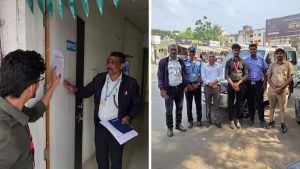
The state has allocated ₹26.22 crore for the project, which has been awarded to Innowave IT Infrastructures Limited. According to officials, the firm will geo-tag each property and prepare detailed documentation including boundary maps, size, lease terms, legal status, encroachments, and land use. The field survey process will ensure verification of each entry.
“This exercise will finally give us accurate, updated records of every Waqf property in Maharashtra,” said a senior official. “It will also reveal the exact extent of encroachment, which has been a longstanding challenge.”
The entire digitisation project is scheduled to be completed in four years and three months. It will feature a GIS-based Asset and Management Information System, a mobile app for field data collection, and integration with satellite imagery for accuracy.
Confirming the move, Ruchesh Jaivanshi, Secretary of the Minority Development Department, said the initiative will unlock the commercial potential of the Board’s assets. “We intend to lease properties at competitive market rates. Our projection is that annual income could increase six-fold to nearly ₹50 crore,” he said.
The rollout will initially begin in Pune, Chhatrapati Sambhajinagar (Aurangabad), and Mumbai, before expanding to other districts. Officials also stressed that digitisation will strengthen legal and administrative processes.
“Digitally mapping these properties will not only curb illegal occupations and unauthorized constructions but also support evidence-based decisions on leasing, dispute resolution, and property maintenance,” an MSBW officer explained.
Jaivanshi added that the project represents a modern approach to asset governance. “By using GIS and advanced data analytics, we are bringing transparency and accountability to Waqf property management. This will protect community resources and help us harness their developmental value,” he noted.