Shadipur and Prem Nagar: How Colonial Convict Marriages in Swayamvar Parade Created a Community in Andaman
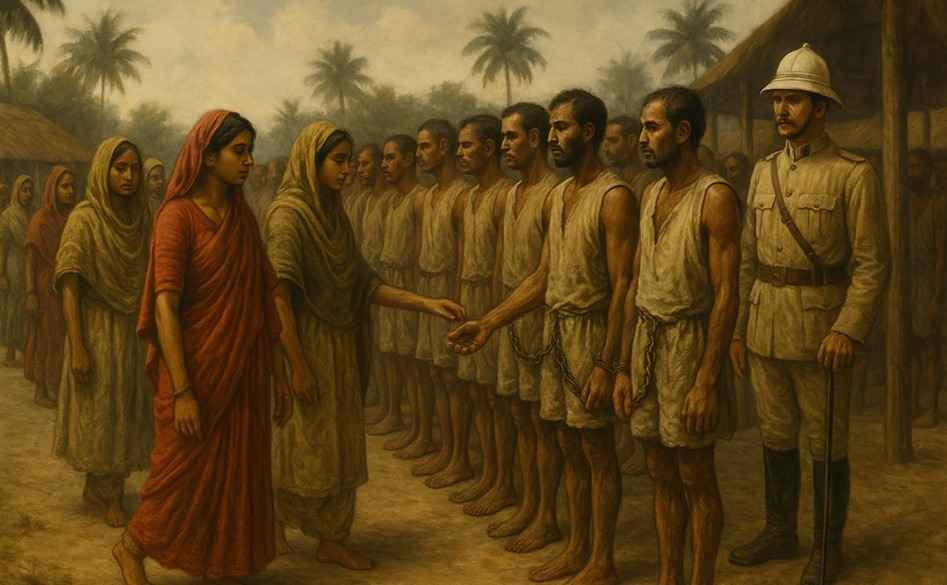
Port Blair, 22nd August 2025: In the mid-1800s, a stretch of land in what is now Port Blair—later known as Shadipur—witnessed an unusual sight under the scrutiny of colonial overseers. Rows of men stood at attention, but they were neither soldiers nor casual laborers. They were convicts, men who had endured years of penal labor, maintained exemplary records, and earned the rare status of first-class convicts with a ticket-of-leave.
Across from them walked women convicts, brought from distant regions such as Uttar Pradesh, Afghanistan, Karachi, and Odisha. They moved slowly along the lines of men, pausing to select a partner. This ritual, known among the British as the “swayamvar parade,” was a structured process—a marriage of strategy and survival under the weight of chains.
Selection was only the first step. Chosen couples spent six months in Prem Nagar—literally “Love Town”—a cluster of huts under constant surveillance. A panel of colonial officials observed them, deciding if the couples were fit to marry formally and relocate to Shadipur, the so-called “marriage settlement.” Today, these locations are ordinary landmarks in Port Blair, yet for tens of thousands of islanders, they represent the roots of their community.
The Andaman Penal Settlement, infamously known as kala paani, was established in the aftermath of the 1857 uprising. Thousands of prisoners—ranging from freedom fighters to seasoned criminals—were sent across the Bay of Bengal to toil in a distant colony from which few would ever return. The marriage initiative was not intended as a romantic gesture but as a calculated policy: to discipline convicts, assign them land, and establish a permanent population in the remote islands.
From these origins emerged the community now known as the Local Born Pre-1942 residents, a living testament to survival, adaptation, and an unlikely form of love under colonial rule.