Emerging as silent killer, India resolves to fight childhood Non-communicable diseases
By Manasi Saraf Joshi
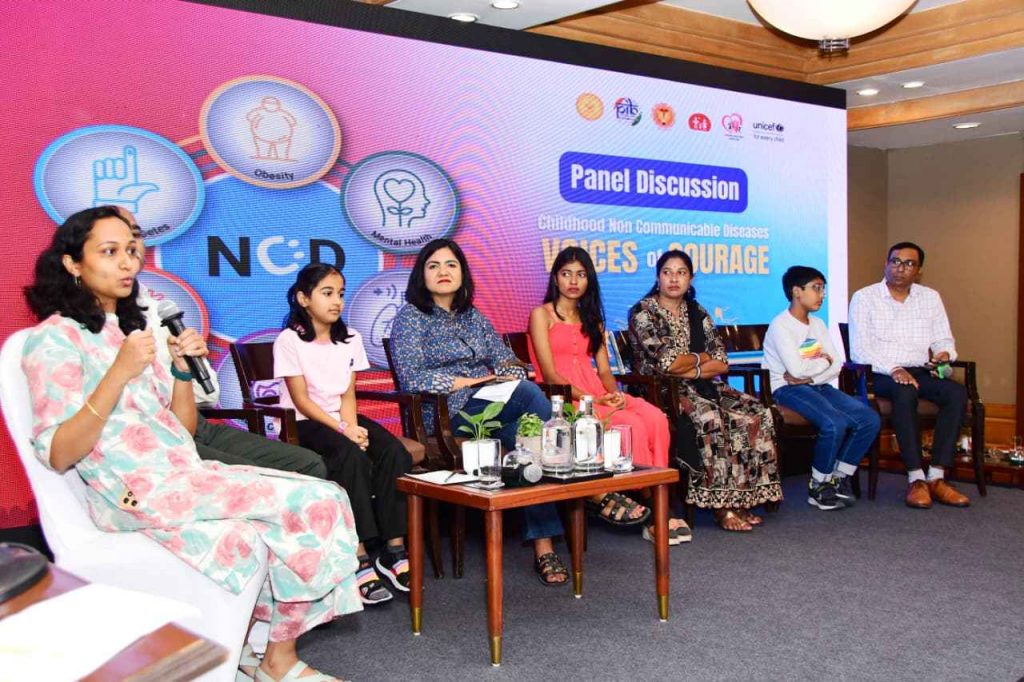
Pune, 16th September 2025: Happy and cheerful eight year old Saanvi is always busy drawing something or the other. At the same time she has to endure four to six insulin pricks everyday. She’s type I diabetes.
10-year-old Shriyan Pal has a friendly nature and brings smile on the face of strangers. He too has to endure the medication for Asthma daily limiting her academics and sports. He was diagnosed with it when he was just 1.5 years old.
Ketaki R who dreams of becoming an air-hostess however had to endure joint pains which at times cripples her. She is suffering with sickle cell anaemia.
These and many such children in India are suffering with Non-communicable diseases (NCD’s) threatening the Indian economy and health care system. Although, the parents of the above children have come forward and creating awareness and acceptance among the society and the policy makers, yet, NCD’s are seen as silent killers which are emerging rapidly.
Until now, it was believed that NCD’s affect only the young adults or persons above 30 years of age however, recent trends in the health care system showed that childhood NCD’s are rapidly growing globally accounting for 71% of deaths while in India it is two in three deaths.
Nearly, six million children in Maharashtra have been suffering with NCD’s including 3.3 million with asthma, 2.4 million are obese, about 2,000 new cases of Type 1 diabetes annually and 20,000–25,000 cases of congenital heart disease, while an estimated 8.8 million children face some form of mental disorder. Childhood NCD’s include Type I diabetes, obesity, congenital heart disease, sickle cell anaemia, respiratory diseases and mental health.
What does NCD mean to children and parents?
For children it means daily monitoring, hospital visits and life long medication. It also brings a kind of stigma to them in their schools and neighbourhood. While for parents it is the huge financial and mental burden.
The parents of the children suffering with NCD’s mention that besides awareness about it, acceptance is needed in the society and among the power corridors. They also urge the government to subsidise the medicines and treatment involved in it. For a Type I diabetes patient the recurring monthly costs is somewhere Rs25,000 to Rs30,000, while for an asthma patient is around Rs10,000 to Rs15,000.
What steps is government of Maharashtra taking?
Apparently, Unicef and Press Information Bureau conducted a workshop in Mumbai on Monday which underlined how NCD’s once considered the disease among the adults is gripping the state.
Dr Vinayak Nipun, secretary, Maharashtra Public Health department said, “children are voiceless, they either become wise or imitate while living with any such disease. It is our duty to ensure their wellness. Talking about the initiatives taking place on the government level he said, “We have focused on expanding school screenings, ensuring uninterrupted access to medicines.
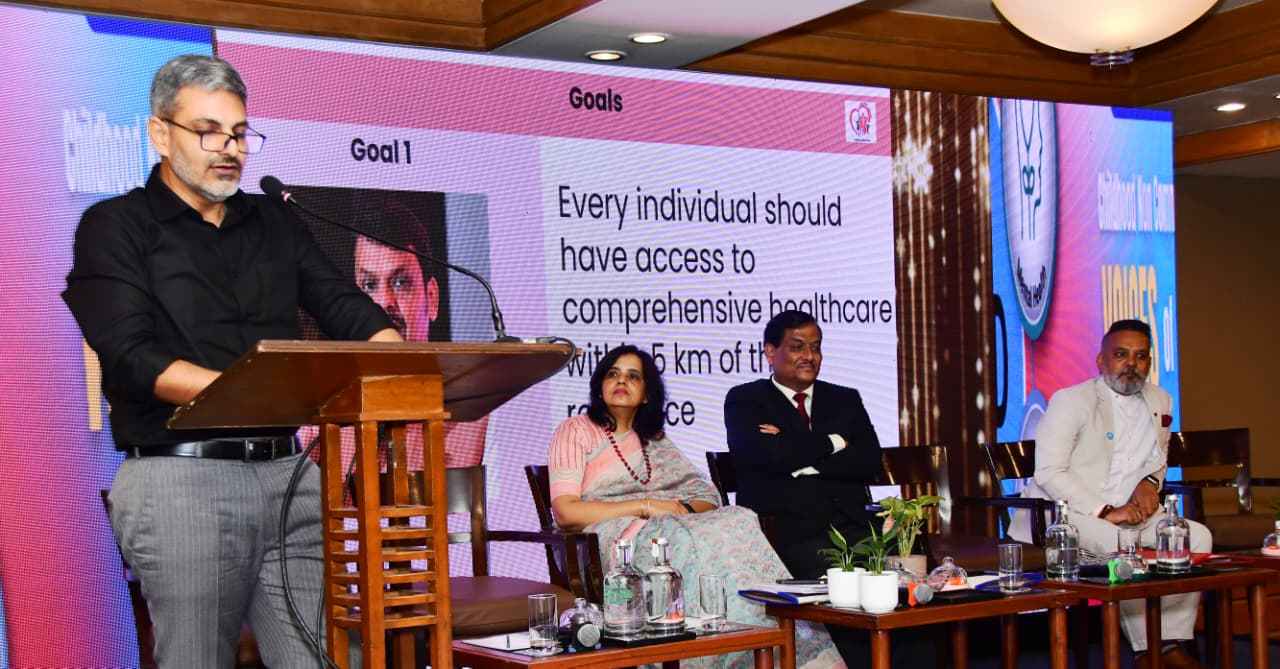
He also cautioned that prevention must begin as early as pregnancy. He also stressed the need to transform villages into healthy hubs.
While Dr Meenakshi Girish, head of paediatrics AIIMS, Nagpur stressed the need of limiting the salt and sugary food items in infants and children. She said, “exclusive breastfeeding in the first six months, regular physical activity, and limiting sugary drinks and screen exposure as prevention measures can make the children healthy. Cautioning on obesity she said, “Obesity is among the rapidly growing threats as poor diet, processed food, physical inactivity, and excessive screen time are driving the trend.
“Obesity is not about weight but it can lead to diabetes, heart disease, and certain cancers later in life.
Dr Prashant Joshi, executive director and CEO, AIIMS Nagpur said, “partnering with UNICEF and the state will allow help in early detection and prevention. Reaching children and families early, building healthier habits and reducing the burden of childhood NCDs is the need of the hour.”
Sanjay Singh, chief of Unicef Maharashtra in his inaugural speech said, “ Maharashtra is leading in early detection and integrated management in NCD’s showing a pathway. We are happy to partner with the Government of Maharashtra to ensure the right management and treatment of a child suffering with childhood NCD’s no matter whether s/he is from urban or rural background. Every child has a right to live a healthy life.
Singh also said that AIIMS Nagpur, with UNICEF support, has launched a Paediatric NCD Clinic offering weekly outpatient services. The state health department is exploring ways to integrate children’s NCD care into the National Programme for Prevention and Control of NCDs.
Childhood NCDs are not just a health issue but it impacts the education, family income and mental well-being along with a mounted financial burden on state and the healthcare system. With right management the disease can help a child live a happy life without feeling isolated”, said Smita Vats Sharma, Director General of the Ministry of Information and Broadcasting (West Zone).
All the experts underlined the fact that early detection and prompt treatment is key to manage the childhood NCD’s. Prevention, early detection and equitable access to care will help a child with NCD to live a productive and happy life.