IndiGo Airlines in Crisis — What’s Behind the Disruptions
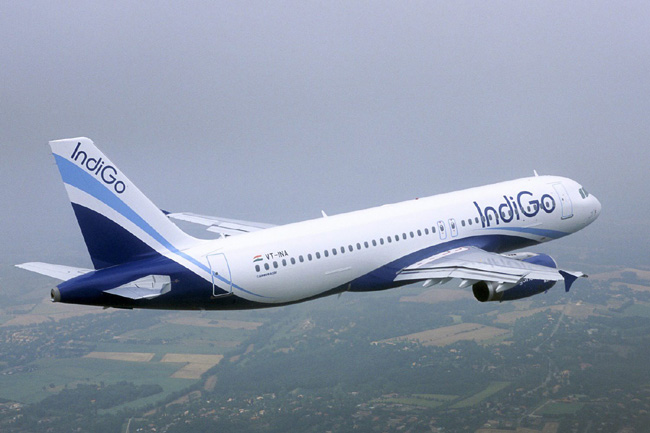
New Delhi, 5th December 2025: IndiGo has cancelled or delayed hundreds of flights across its network in recent days, triggering widespread disruption at major airports including Delhi, Mumbai, Bengaluru, Hyderabad and Pune.
The airline now expects to restore full normal operations by 10 February 2026, and has asked the regulator for temporary relief from certain crew-duty limitations.
What went wrong: Multiple triggers behind the chaos
* New crew-duty rules spark acute staffing shortages
Since 1 November, revised regulations under the Directorate General of Civil Aviation (DGCA) — known as “Flight Duty Time Limitations” (FDTL) — have substantially tightened limits on how long pilots and crew can operate, mandated longer rest periods and imposed stricter night-flying restrictions.
IndiGo, which runs one of India’s largest flight networks with over 2,300 daily flights, appears to have underestimated the number of staff required to meet the new norms. As a result, many flights lacked legally eligible crew, leading to widespread cancellations.
* Technical glitches, weather and airport congestion worsened disruption
According to the airline, additional factors exacerbated the situation — including software or technical problems, airspace congestion, winter-season weather challenges, and pressure on ground operations at airports.
The combination of factors had a cascading effect: the staffing gap caused cancellations, which in turn disrupted aircraft rotations, leading to more delays and service breakdowns across the network.
* Operational planning failures
Industry observers and insiders have pointed out that the airline’s lean-manpower strategy — previously a strength because of cost efficiency — backfired under the new regulatory environment. The sudden implementation of stricter norms exposed the lack of buffer in crew rosters and limited flexibility to absorb shocks.
In its own admission, IndiGo acknowledged “planning gaps and misjudgement” in staff requirements as a major cause of the crisis.
Consequences: From stranded passengers to regulatory heat
Thousands of passengers were stranded, faced long delays, missed connections, and suffered from poor communication and chaotic airport scenes.
The airline’s on-time performance plummeted — dropping far below its usual 80 %+ benchmark.
The aviation regulator has ordered IndiGo to submit a comprehensive action plan and fortnightly progress reports to restore stability.
Market confidence has also taken a hit: shares of IndiGo’s parent company dropped sharply amid the turmoil.
IndiGo’s response and path forward
In statement to regulators, IndiGo said it has initiated “calibrated adjustments” to its flight schedule and operations, and is working around the clock to normalise services.
The airline has also requested temporary relaxation of certain night-duty and rostering restrictions under the FDTL rules to regain stability.
What this means for India’s aviation sector
The disruption at IndiGo — the country’s largest domestic carrier — exposes the wider vulnerability of India’s aviation ecosystem when growth-driven expansion collides with stricter safety and labour regulations. The crisis underlines the need for better workforce planning, operational buffers, and stronger regulatory preparedness across the sector.