Railway Accidents in India Drop from Annual Average of 171 to 11 This Year; Safety Spending Nearly Triples Since 2013–14
New Delhi, 12th December 2025: India has recorded a significant decline in consequential train accidents over the past decade, with the number falling from an annual average of 171 during 2004–14 to 11 so far in 2025–26. The Ministry of Railways presented the latest data in Parliament, showing continued improvement in safety performance across the national network.
According to the figures, consequential train accidents reduced from 31 in 2024–25 to 11 in the current financial year up to November 2025, marking one of the lowest totals in recent years.
Safety-related expenditure on Indian Railways has risen sharply over the same period. Budget allocations increased from ₹39,463 crore in 2013–14 to ₹1,16,470 crore in 2025–26, reflecting expanded investment in infrastructure, technology, and maintenance.
Key Safety Measures Reported
The ministry detailed several initiatives contributing to the reduction in accidents:
Upgradation of signalling systems, including extensive use of electronic interlocking and track circuiting at stations.
Large-scale deployment of fog safety devices, rising to 25,939 units in 2025, aimed at improving operations in low-visibility conditions.
Progressive installation of the indigenous automatic train protection system Kavach across priority corridors.
Elimination of all unmanned level crossings on broad-gauge routes.
Strengthened inspection systems for tracks, bridges, and rolling stock, along with enhanced track-renewal programs.
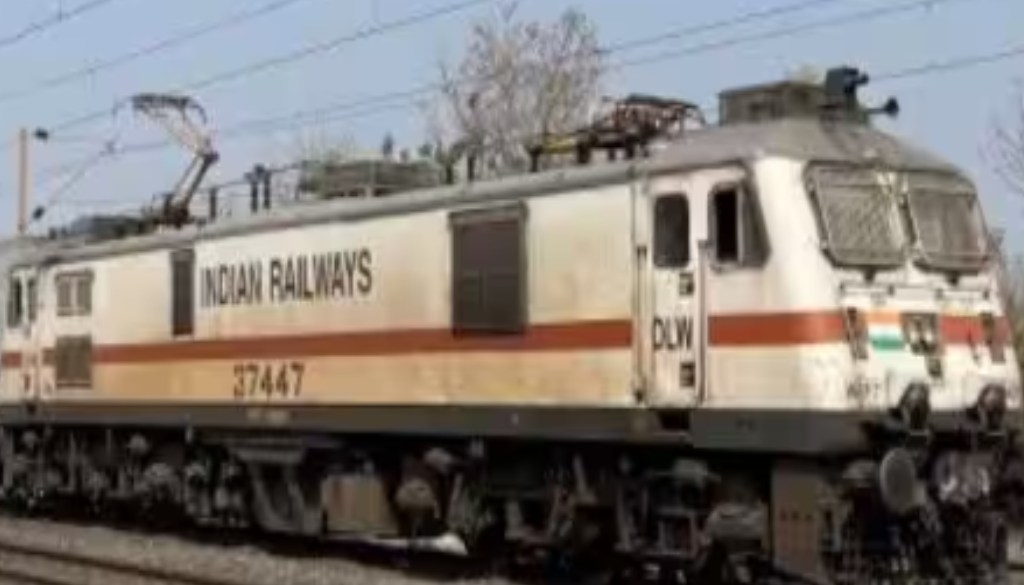
Implementation of vigilance control devices and other safety systems on locomotives.
Infrastructure and Monitoring Enhancements
The ministry also reported improvements in rail and weld quality standards, expanded use of modern inspection tools, and upgraded maintenance procedures across zones. According to the data presented, these measures have collectively contributed to reducing human-error-related incidents and enhancing overall operational safety.