After the Ballots Are Cast: What Pune’s Civic Elections Reveal About Democracy Today
Reported by Ketaki Latkar
Pune, 27th January 2026: The PMC elections of 15 January 2026 have culminated in new civic leadership—but beyond the results lies a deeper question: how do Punekars truly view democracy and the governance of their city?
Some answers emerge from research being conducted by the Jnana Prabodhini Foundation (JPF), a non-profit organisation dedicated to rural development, education, & women leadership. JPF’s Analytics team functions as a computational social science platform working at the intersection of data, public policy, and democratic practice. The team has a long-term goal of building a more resilient democratic future for India by strengthening the republic’s democratic institutions through research and evidence-based policymaking.
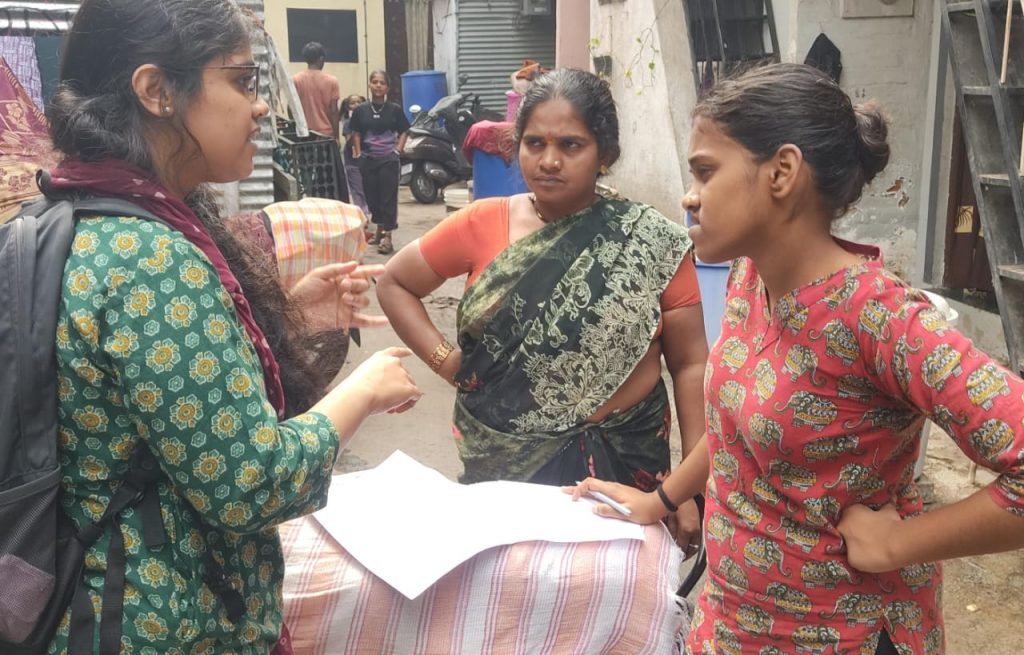
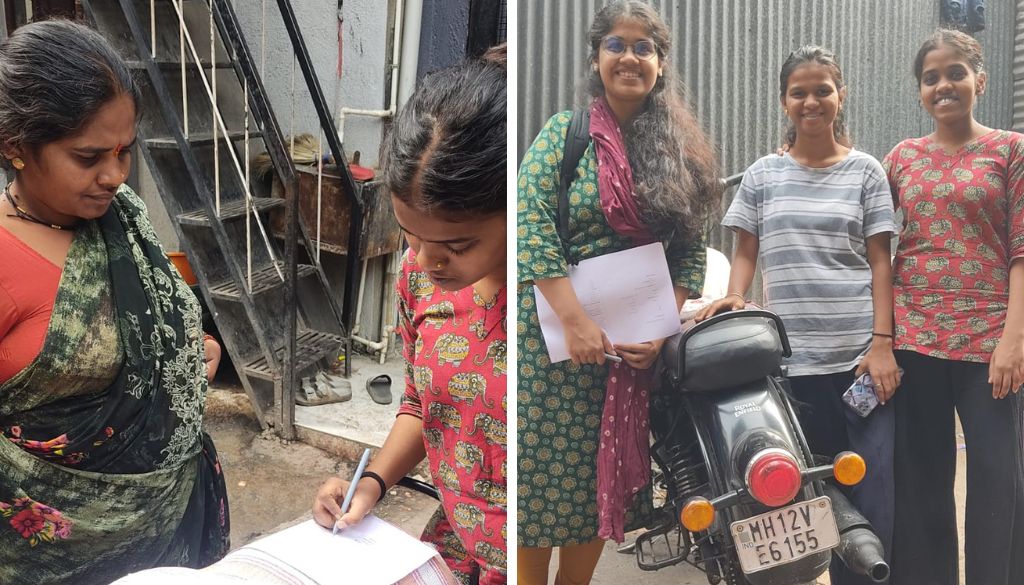
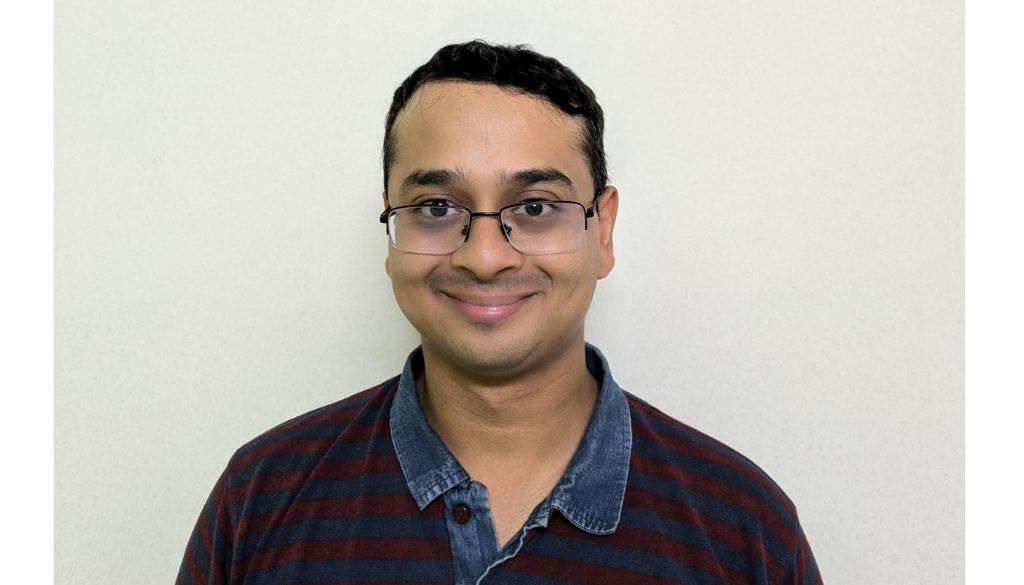
Against the backdrop of the elections, over 30 young scientists affiliated with JPF—many from Pune and now based across five countries and eight time zones. Multiple Pune-based grassroots organizations including Jnana Prabodhini, Pratham (Suprabhat Mahila Mandal), Center for Youth Development and Activities (CYDA) and “Swa”-roop Wardhinee disseminated the survey among low income groups and residents of urban slums. The study was driven by research and outreach coordinators Mrunmayi Naik, Gayatri Patankar, Shreya Datar, Atharva Shrikhande, Manas Kshirsagar, and Niramay Gogate. Dr Abhishek Dedhe, co-founder and programme director of JPF’s Analytics team and Dr. Aakash Chowkase, co-founder and president of JPF led the study. An interdisciplinary cognitive scientist, Dr Dedhe is currently a Postdoctoral Fellow in Computational Social Science at the University of Waterloo, Canada, and holds a PhD in Cognitive Neuroscience from Carnegie Mellon University, USA. Specializing in talent development and social-emotional learning, Dr. Chowkase is currently an Associate Research Scientist at the Yale School of Medicine. Dr. Dedhe holds a PhD in Cognitive Neuroscience from Carnegie Mellon University, USA. Dr. Chowkase holds a PhD in Education from Purdue University, USA.
Conducted between 20 December 2025 and 15 January 2026, the study surveyed 1,257 Punekars across socioeconomic groups. It explored how citizens perceive democracy, approach local elections, and prioritise civic concerns such as public services, unemployment, corruption, crime, and pollution, while also examining how psychological factors shape voting behaviour. “Our main goal is to help local governmental bodies and social organizations in data-driven policy-making, especially on civic issues, misinformation, fake news, voting rights, and accessibility,” said Dr Dedhe.
Viewed in hindsight, the findings read less like predictions and more like a reflection of the civic mood with which Pune entered the polls. One of the most striking insights is the coexistence of strong faith in democratic values and deep skepticism about governance outcomes. While most respondents affirmed the importance of voting, many expressed doubts about whether municipal elections translate into tangible improvements in everyday life. This contradiction—belief in the system paired with frustration over delivery—was particularly evident among younger voters and the urban middle class.
The survey also challenges the assumption that local elections are driven purely by party allegiance. Respondents consistently highlighted issue-based considerations as central to their voting decisions. Civic infrastructure, employment, personal safety, and environmental quality emerged as key priorities, though their relative importance varied across income and education groups. Post-election conversations across the city suggest these concerns shaped both voter choices and expectations from newly elected representatives.
Beyond policy priorities, the study examined the emotional dimensions of political participation. Many respondents identified as politically aware, yet expressed limited optimism about the future. Voting, for them, was often an act of responsibility rather than optimism—a reminder that voter turnout alone does not indicate confidence in democratic institutions.
Respondents also reported frequent exposure to misleading political content. While they expressed confidence in their ability to identify misinformation, they were far less confident in society’s collective ability to do so, highlighting a growing vulnerability in urban democratic processes.
The full study report, detailing these findings, was released on JPF’s website on 26 January 2026 , offering a deeper look into what Pune’s voters think—and what they expect from the city’s democracy going forward.