Maharashtra State Roundtable Sets Direction for Scalable Model to Support Migrant Sugarcane Cutters
Pune, 17th February 2026: Maharashtra is piloting a new collaborative model to protect migrant sugarcane cutters and their families with a particular focus on women workers by better connecting sugar mills, government schemes, and local civil society. The approach aims to turn Government and institutional existing policies and welfare entitlements into real, on‑the‑ground support for seasonal workers who move across districts for the sugarcane harvest each year.
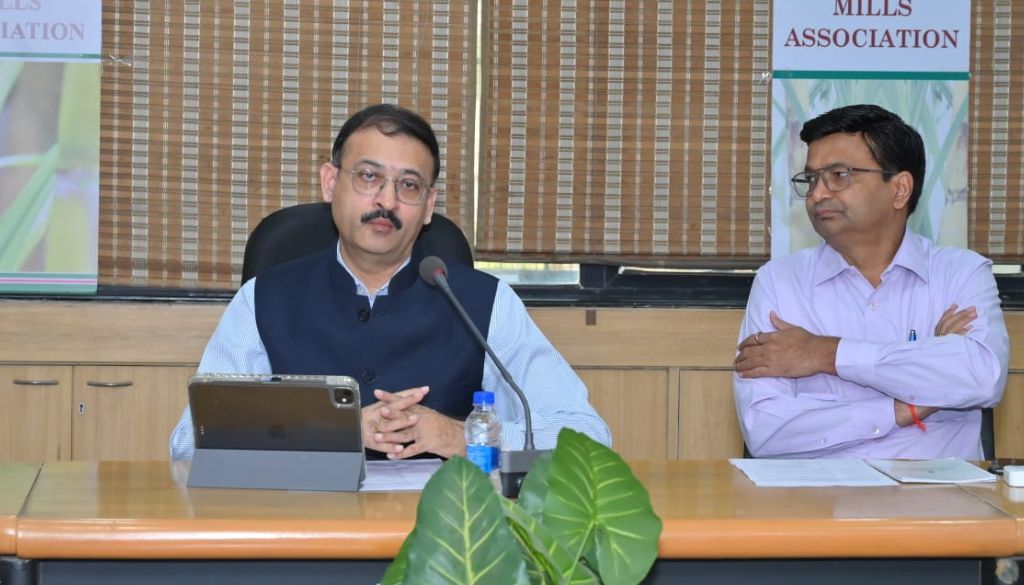
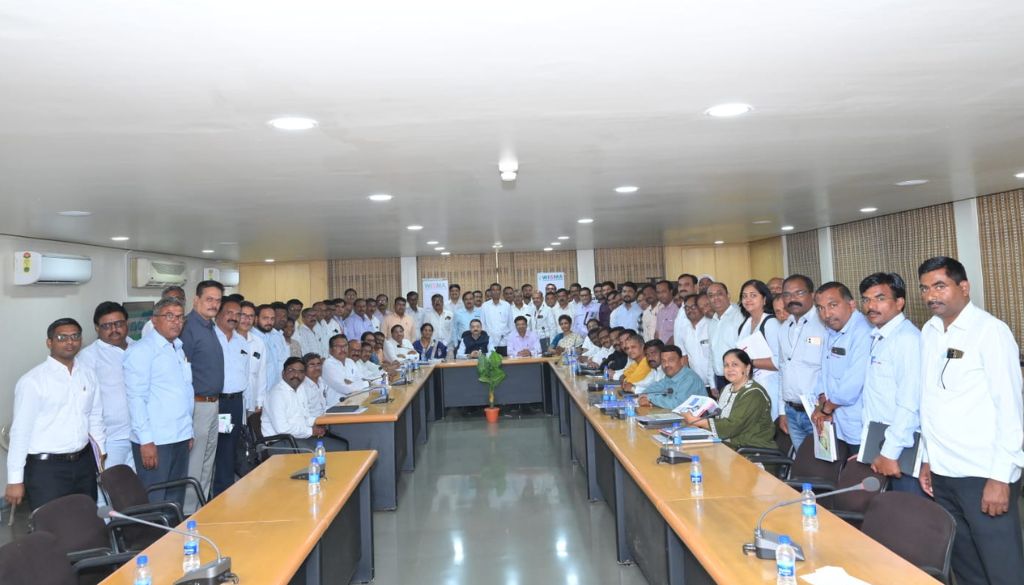
A high‑level state roundtable, chaired by the Sugar Commissioner of Maharashtra, Dr. Sanjay Kolte, on 16th February 2026, brought together senior officials from seven key government departments, more than 70 sugar mills, 2 industry associations, and civil society organisations. Hosted at the Sugar Commissioner’s Conference Hall, the meeting was convened with the support of Bonsucro – the global platform for sustainable sugarcane and WISMA as part of a joint effort to strengthen social sustainability in the sector.
“In Maharashtra’s sugarcane economy, protecting the people who harvest the crop, especially women migrant workers, is just as important as boosting production,” said the Sugar Commissioner of Maharashtra, chairing the roundtable. “By improving convergence between departments and partnering with mills and civil society, we can ensure that every worker knows their rights and can actually access government and institutional schemes and essential services.”
The discussion focused on how to improve access to public services for migrant sugarcane workers and their families, who often face seasonal migration, limited access to healthcare, and low awareness of welfare entitlements. Participants highlighted the vulnerabilities of women workers, who shoulder unpaid care responsibilities alongside physically demanding field work.
“Decent work for sugarcane cutters cannot stop at the farm gate,” said the Addl. Labour Commissioner of Pune division, B. B. Wagh. “We must strengthen referral pathways and enforcement at the last mile, so that occupational safety, social protection, and grievance mechanisms reach workers wherever they are.”
Officials from the Health and Livelihoods Mission Departments underlined the importance of continuity of services for migrant families, particularly women and children. “When families move for work, their health care, nutrition, and children’s learning should not be left behind,” said Dr. Sandip Sangle Addl. Director, Public Health. “Closer collaboration with mills and community organisations will help us keep services connected to the people who need them.”
The roundtable endorsed the design of a Bonsucro – WISMA pilot programme named GROW -Gender Rights Opportunity and Work Empowerment, across the districts of Solapur, Pune, Kolhapur, and Vijayapura, which will align mill‑level action with government delivery systems. The pilot will prioritise women workers’ health, safety, and economic participation, and is supported by companies committed to responsible sugarcane sourcing.
“This pilot shows how government leadership and industry implementation can work together to deliver real improvements in sugar cane cutters’ lives,” said Manisha Majumdar from Bonsucro. “Our role is to act as a neutral platform – bringing mills, buyers, government, and civil society together to design practical solutions, share learning, and scale what works.”
West Indian Sugar Mills Association (WISMA) highlighted the importance of grounding the model in community realities and women’s voices. “Women sugarcane cutters face a triple burden – as workers, caregivers, and often as the ones navigating access to services,” said a spokesperson for WISMA. “By listening to their experiences and integrating their priorities into the programme design, we can build a model that is both inclusive and sustainable.”
Officials from the Livelihoods Mission signalled interest in exploring convergence and investment opportunities. “Linking social protection with skilling and livelihood diversification can help women workers move into safer, better‑paid opportunities over time,” said the State Livelihoods Mission ( MSRLM) Deputy Director Mr. Sandip Jatthar.
“Migrant workers contributing so much to the state’s economy, it is important the they need to be provided with insurance coverage” mentioned Mr. Sanjay Khatal, Managing Director, Maharashtra State Co-Operative Sugar Factories Federation Ltd.
General Manager, Kendre V. S. of Gopinath Munde Sugarcane Labour Welfare Corporation Limited , while outlining the overall support provided by GMC mentioned that the issuance of identity cards and the creation of a central-level dashboard on Mukaddams (Contractors) were high-priority areas.”
Key suggestions included agreement to nominate focal points in relevant departments, strengthen referral pathways between mills, government services and community organisations, and jointly develop a roadmap to scale and mainstream in four-five districts over the next six months.
By linking government leadership with industry action and civil‑society support, Maharashtra is positioning itself as a frontrunner in testing a practical, scalable model for social sustainability in sugarcane. The state’s experience could offer a template for other sugar‑producing regions seeking to improve working conditions and access to services for migrant agricultural workers.