Pune’s Iconic Darshan Turns 50: From Small Juice Bar to Legendary Food Destination
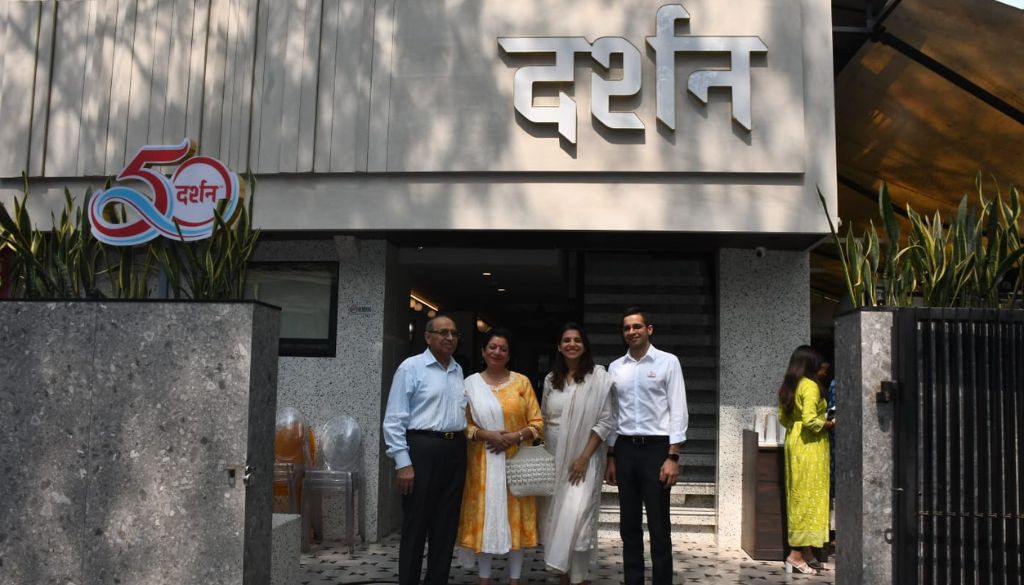
Deccan, 17th February 2026: In the vibrant culinary tapestry of Pune, where dining trends rise and fade with the seasons, a quiet constant has endured for half a century. Darshan, a beloved vegetarian landmark, turns 50 this year—an anniversary that is less about age and more about a philosophy that refused to compromise.
A Dream That Began With a Juice Extractor
The story traces back to 1976, when founder Sital Ahuja opened a modest juice bar guided by mentor Laljibhai Thakkar of the legendary Dwarika Restaurant. There was no elaborate business blueprint—only grit, long hours, and faith. Mornings began at Mandai Market sourcing fresh produce, and nights ended after the last customer left. What started with hand-pressed juices gradually evolved into a multi-cuisine destination serving more than 150 dishes, each shaped to suit the local palate.
Health, Honesty, and Habit
While menus changed, the guiding principle never did: uncompromising quality. Long before “clean eating” became fashionable, Darshan followed a strict no-MSG, no artificial flavour, and no preservative policy. Even operational details reflect this ethos—potable in-house ice, stainless-steel extractors that maintain hygiene without peeling fruit, and careful ingredient selection. Over decades, that consistency built something rare in hospitality: trust strong enough to travel across generations.
A Family Story Beyond Bloodlines
The second generation—Kunal and Vishakha—stepped in during 2014, bringing structured systems and expansion that led to a successful new branch in Baner in 2018. Yet the real strength of the establishment lies not only with the owners but with its people. Nearly 300 families depend on the enterprise, including many from the village of Gangdwar in Bihar, where working at Darshan or its sister brand Just Casuals has become a generational tradition.
Long-serving team members define its spirit. Managers who stayed for decades, fathers working alongside sons, and staff who grew from apprentices to mentors have turned the workplace into a living community rather than a business unit.
The Quiet Architect
Behind the scenes, Lavina Ahuja is credited as the steady force who enabled the venture’s growth and diversification into a 12-store garment network. Her understated presence mirrors the brand’s own style—measured, grounded, and consistent.
When ₹100 Meant the World
Among the many stories resurfacing during the golden jubilee, one theme shines brightest: the value of dignity. In the 1970s, young trainees known as Bandhus worked three hours daily for ₹100 a month. The amount may seem small today, but its impact was profound.
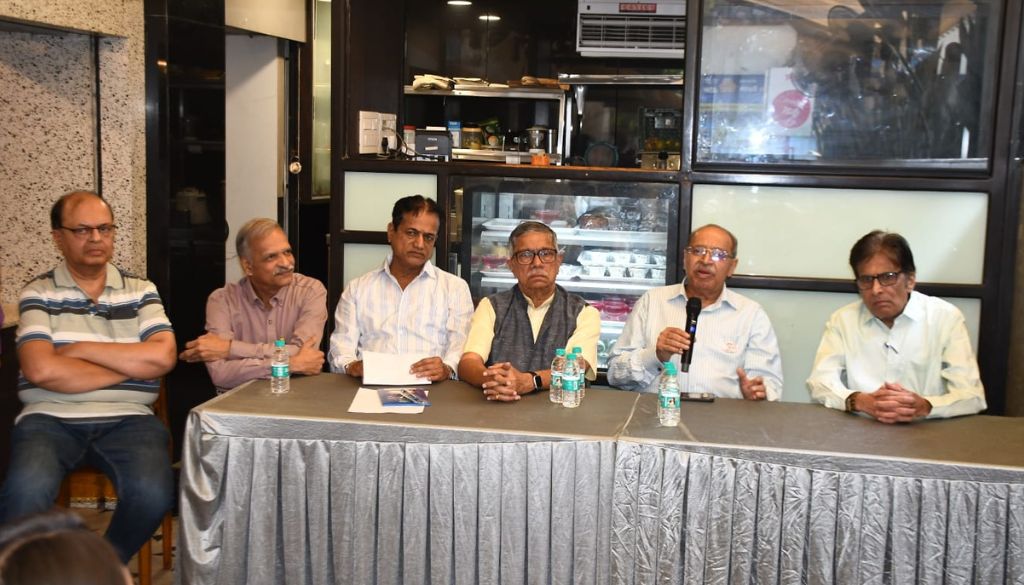
Anand Kelkar, later employed with TELCO, remembers that stipend as a lesson in resilience. Vishnu Joshi recalls being trusted with restaurant keys even as he prepared to leave for another job. Pramod Kulkarni, who later worked with the SSC and HSC Board, speaks of customers whose loyalty mattered more than profit margins. And catering professional Deepak More calls his early days there a “management college” that taught him everything from sweeping floors to leading teams.
More Than a Restaurant
Over five decades, Darshan has proven that longevity in hospitality is not built on trends but on trust. It stands as evidence that warmth can be a business model, honesty a strategy, and consistency a legacy.