Playing Holi? Here’s How to Safely Remove Colours Without Damaging Skin and Hair
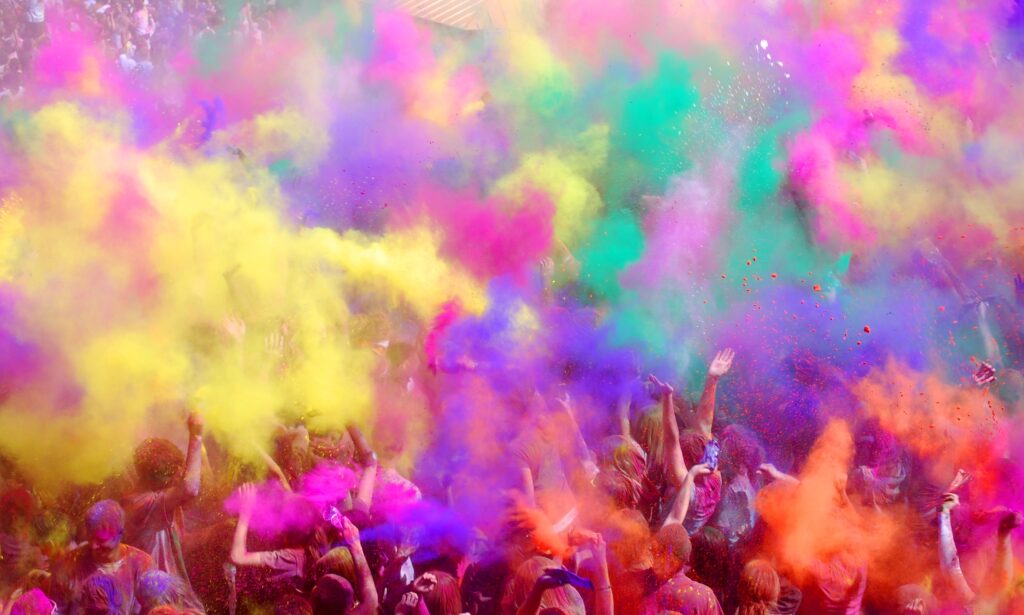
Pune, 2nd March 2026: Holi 2026 will be celebrated on March 3 and 4, and as preparations pick up across the country, concerns about stubborn colours affecting skin and hair are also rising. While the festival of colours is marked by joy, music and sweets, removing chemical-laced gulal after celebrations often becomes a challenge. Dermatologists and beauty experts advise basic preparation and careful cleansing to avoid skin irritation, hair damage and long-term marks.
Here is a practical, step-by-step guide on how to protect your skin and hair before playing Holi, remove colours safely, and avoid common mistakes.
Before playing Holi: how to prepare your skin and hair
Experts suggest applying coconut oil, mustard oil or a good-quality moisturiser on the entire body and hair before stepping out to play Holi. This creates a protective layer that prevents colours from sticking deeply to the skin and scalp.
Additional precautions include trimming nails, tying hair securely, and avoiding chemical treatments like colouring or rebonding just before Holi.
How to remove colours from the face safely
The skin on the face is delicate and needs extra care.
First, gently dust off dry colour using a soft cloth or your hands.
Rinse the face with normal water, avoiding excessive splashing near the eyes.
Use a mild face wash or cleanser instead of harsh soaps.
If colours persist, natural packs can help, such as gram flour mixed with curd, turmeric with lemon juice, or multani mitti with a few drops of lemon.
Finish by applying aloe vera gel or a moisturiser to prevent dryness.
Hot water should be strictly avoided, as it can set colours deeper into the skin.
Mistakes to avoid while removing Holi colours
Do not scrub the skin aggressively, especially on the face, as this can cause rashes and redness.
Avoid detergents, chemical soaps or bleaching products.
If symptoms like itching, swelling or burning appear, medical advice should be sought immediately.
How to protect and clean hair after Holi
Apply coconut or mustard oil to the hair before playing to prevent colour absorption.
Keep hair tied or covered with a scarf or cap.
After Holi, rinse hair gently with plain water before using a mild shampoo.
Always apply conditioner after washing to restore moisture, especially for dry or chemically treated hair.
If colour has penetrated deep into hair
If the colour is dry, remove it gently using a wide-toothed comb before wetting the hair.
If the colour is wet, rinse thoroughly with water to remove excess pigment.
Wash with a mild shampoo without rubbing vigorously.
An apple cider vinegar rinse, mixed with water, can help loosen stubborn colour.
Finish with a conditioner to reduce dryness and breakage.
Effective home remedies to remove Holi colours
Gram flour mixed with milk, applied for 10–15 minutes
Ripe papaya and turmeric paste
Multani mitti with curd
Cucumber paste for cooling and cleansing
Gram flour with a few drops of lemon juice
Moisturising after any remedy is essential to prevent dry skin.
Can keeping colour on the skin for long cause harm?
Yes. Chemical-based colours left on the skin for extended periods can lead to itching, redness, allergies and even dark patches. People with sensitive skin or existing skin conditions face higher risk. Experts advise washing off colours as soon as possible after celebrations.
How to remove colour from nails
Soak nails in lukewarm water for a few minutes.
Apply lemon juice or vinegar for four to five minutes.
Clean gently using a soft brush or cotton cloth.
Nail polish remover can be used if required.
Apply oil or cream afterward to keep nails from becoming dry and brittle.
With the right preparation and gentle care, Holi 2026 can be enjoyed without skin or hair troubles. Experts stress that natural colours, mild cleansers and moisturising after celebrations are key to staying safe while celebrating the festival of colours.