Pune Division Runs 123 Special Train Trips, Carries 2.9 Lakh Passengers in Four Days; 55 Trips to Bihar, 40 to Uttar Pradesh

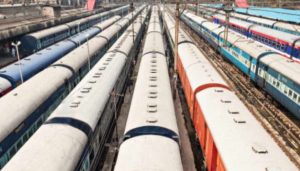
Pune, 5th March 2026: To manage the surge in passenger demand ahead of the Holi festival, the Pune Division of Central Railway operated 123 Holi Special train trips (up and down) between February 27 and March 2, 2026, transporting around 2.90 lakh passengers through regular and special services.
The additional services were introduced to facilitate travel for passengers heading to their hometowns to celebrate the festival. The special trains operated with a mix of AC, Sleeper and General Second Class coaches and recorded an average occupancy of 113.43 per cent.
According to railway data, the Pune Division operated eight trains within Maharashtra, while a significant number of services were directed towards northern states experiencing heavy festive demand. A total of 40 trains operated towards Uttar Pradesh, 55 towards Bihar, and 12 trains connected other destinations including Indore and Nizamuddin.
Railway authorities monitored passenger demand through multiple channels, including media reports, social media platforms, the Railway Integrated Helpline 139, and data from the Passenger Reservation System (PRS), particularly waitlisted ticket trends. Based on these inputs, additional train services and trips were scheduled on routes experiencing higher demand.
On March 1, a fully unreserved special train was also operated at short notice from Pune station to manage the heavy rush of passengers.
To manage crowd movement during the festive rush, several arrangements were made at major stations, particularly Pune Railway Station. Temporary holding areas were created to accommodate large numbers of passengers, along with facilities such as covered sheds, lighting, ventilation, drinking water, fans, toilets, charging points, food stalls and a passenger announcement system.
Railway staff deployed teams of ticket checking personnel and Railway Protection Force (RPF) staff for crowd management. Help desks were set up at several stations to guide passengers, while regular public announcements were made regarding train timings and travel updates.
Queue systems for boarding were implemented under the supervision of railway and RPF staff. Passenger demand and ticket availability were also monitored in real time through railway control rooms.
Coordination between RPF and Government Railway Police (GRP) was maintained to ensure safety and security at major stations during the peak travel period.
Information about the special trains was also disseminated through media briefings and official social media platforms to inform passengers about the additional services.