PMC Rejects Proposal to Waive Property Tax for 500 Sq Ft Homes in Pune
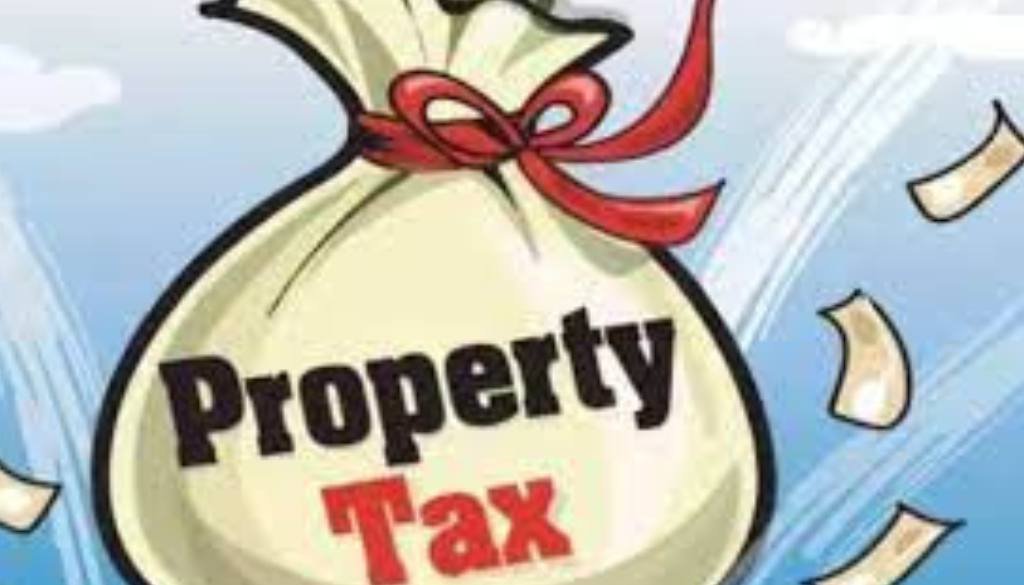
Pune, 14th March 2026: The Pune Municipal Corporation (PMC) administration has rejected a proposal to waive property tax for economically weaker section (EWS) property owners with houses up to 500 square feet in the city. PMC Commissioner Naval Kishore Ram has informed the Standing Committee that granting such a waiver could significantly affect the municipal corporation’s revenue.
The proposal to exempt residential properties of up to 500 sq ft from property tax within PMC limits had been placed before the Standing Committee earlier. The proposal was moved by the Congress, while the Bharatiya Janata Party (BJP) had also promised property tax exemption for economically weaker property owners with houses up to 500 sq ft in its election manifesto. However, the Standing Committee had kept the proposal pending and sought the administration’s opinion before taking a final decision.
Congress group leader Ramchandra Kadam had raised the proposal in the first meeting of the Standing Committee, citing rising inflation, increasing prices of essential commodities and limited household incomes. He argued that families living in small houses were facing financial stress and that waiving property tax for homes up to 500 sq ft would provide relief to citizens.
Kadam had also pointed to the recent expansion of PMC limits and said that the property tax base was expected to grow in the future. According to him, several properties have not yet been brought under the tax net and including them could increase the corporation’s revenue. Therefore, he maintained that granting tax exemption to small homes would not significantly affect the overall income of the civic body.
The Standing Committee had directed the administration to conduct a detailed study of the proposal and submit a report. It had asked for data on the number of properties measuring up to 500 sq ft, the annual revenue generated from them, and the potential financial impact if tax exemption were granted.
In its response, the administration stated that implementing such a tax concession in the current financial situation would not be advisable. Under Section 129 of the Maharashtra Municipal Corporation Act, taxes are levied on various categories of properties within PMC limits, including residential, non-residential and mobile towers, which constitute a major source of revenue for the civic body.
According to the administration, there are currently 2,885 mobile towers within PMC limits, from which revenue of around ₹470 crore is expected. However, the collection of taxes from mobile towers has been affected after the High Court granted a stay on the levy and recovery of such taxes, reducing the corporation’s potential revenue.
The PMC’s property tax assessment and collection system has been computerised since around 2003. As per current records, there are approximately 4,43,553 properties measuring less than 500 sq ft in the city. These properties generate an annual property tax demand of around ₹268 crore.
The administration warned that granting tax exemption to all such properties could lead to a substantial drop in revenue. It also pointed out that several multi-storey buildings have small-sized apartments, and if all flats in a building measure less than 500 sq ft, the entire building could become eligible for tax exemption.
Officials further noted that such a policy could encourage people to buy homes under 500 sq ft, potentially increasing pressure on the city’s civic and infrastructure facilities and placing an additional financial burden on the municipal corporation.
The administration also stated that the current figures are only estimates, as data for some older properties is not fully available in the digital system due to the absence of ‘A’ form records. Therefore, a fresh survey would be required to obtain accurate data.
Considering these factors, the PMC administration has advised the Standing Committee that granting property tax exemption for residential properties up to 500 sq ft is not feasible under the present circumstances.