Fuel Price Shock: IndiGo and Air India Increase Airfare on Domestic Flights
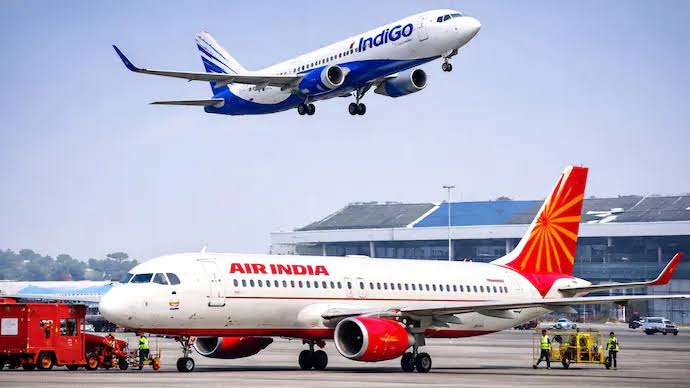
New Delhi, 14th March 2026: IndiGo has announced a fuel surcharge on all domestic and international flights, which will come into effect from midnight on March 14. The move follows a sharp rise in jet fuel prices triggered by escalating geopolitical tensions in the Middle East.
According to the airline, the surcharge on tickets will range from ₹425 to ₹2,300 depending on the distance of travel. The additional charge will apply to both domestic and international routes.
IndiGo said jet fuel prices have increased by nearly 85 percent due to the ongoing conflict involving Iran and tensions linked to the United States and Israel. The rise in fuel costs has significantly increased operating expenses for airlines.
The airline stated that the surcharge has been introduced to partly offset rising fuel expenses while attempting to keep the impact on passengers as limited as possible. Charges have been structured according to flight distance. IndiGo also said it will continue to monitor the situation and may revise the surcharge if fuel prices change.
Earlier, Air India had also announced a fuel surcharge. Since March 12, the airline has added ₹399 to domestic flight tickets and increased international fares by around 15 percent.
The increase in airline fares comes amid a global spike in oil prices following disruptions in supply routes after the conflict between Iran and Israel that began on February 28. The Strait of Hormuz, a key global oil shipping route, has also been affected, impacting global oil supply chains.
Benchmark Brent crude oil prices have risen sharply, reaching about $101 per barrel and recently touching nearly $120 per barrel. At the same time, jet fuel prices in several markets have almost doubled since the conflict began, rising from around $85–$90 per barrel to between $150 and $200 per barrel.
The surge in fuel costs has had a wider impact on the global aviation industry. More than 40,000 flights worldwide have reportedly been cancelled due to tensions in the Middle East and disruptions to air routes.
Jet fuel remains the largest operating expense for airlines, accounting for roughly 30 to 40 percent of total operating costs. The sudden rise in oil prices has forced several airlines globally to increase ticket prices and reassess their financial outlook.
Several international carriers have already announced fare hikes. Air New Zealand has raised domestic fares by 10 New Zealand dollars and increased ticket prices for international flights by up to 90 dollars depending on the distance. The airline has also withdrawn its earnings forecast for 2026 due to market uncertainty.
Similarly, Hong Kong Airlines has announced a fuel surcharge increase of up to 35.2 percent on certain routes, while Cathay Pacific has added extra flights to destinations such as London and Zurich to accommodate affected passengers.
Australia’s national carrier Qantas Airways has also raised fares on international routes. Meanwhile, Scandinavian Airlines (SAS) has introduced temporary price adjustments in response to rising operational costs.