Harish Rana Case: 31-Year-Old in 13-Year Coma Cremated, Family Donates Organs

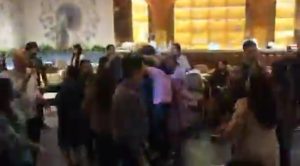
New Delhi, 25th March 2026: The last rites of 31-year-old Harish Rana from Ghaziabad, who was granted permission for passive euthanasia by the Supreme Court after remaining in a coma for 13 years, were performed on Wednesday morning at the Green Park cremation ground in South Delhi.
Harish’s younger brother Ashish Rana lit the funeral pyre at 9:40 am in the presence of family members, relatives and well-wishers. Before the cremation, Harish’s father Ashok Rana (62) paid his last respects to his son and appealed to those present not to cry.
“Please do not cry. I pray that my son leaves this world peacefully. Wherever he is born again, may he receive God’s blessings,” he said with folded hands and tears in his eyes.
Harish Rana breathed his last on March 24 at the All India Institute of Medical Sciences (AIIMS), New Delhi. According to doctors, his lungs, both kidneys and corneas were donated after his death, a gesture that could help save or improve the lives of at least six people.
Harish had been under treatment at AIIMS after the Supreme Court granted permission for passive euthanasia on March 11, making it the first known case in the country where such permission was granted in these circumstances. He was shifted from his home in Ghaziabad to AIIMS on March 14. Two days later, on March 16, doctors removed his feeding tube as part of the passive euthanasia process.
Passive euthanasia involves withdrawing life-sustaining treatment or external life-support systems so that a critically ill patient can die naturally from the underlying illness.
Harish’s life changed dramatically in 2013 when he fell from the fourth floor of his hostel while studying BTech at Panjab University in Chandigarh. The accident left him with severe injuries and paralysis across his body, and he slipped into a coma. Doctors later diagnosed him with quadriplegia, a condition in which a patient becomes completely dependent on life-support systems such as ventilators and feeding tubes, with little to no chance of recovery.
For 13 years, Harish remained bedridden, unable to speak or respond. Prolonged immobility led to severe bedsores and his health gradually deteriorated. His family said the situation was extremely painful both emotionally and financially, as they struggled for years to manage the cost of ventilator support, medicines, nursing care and other medical expenses.
Harish’s family had first approached the Delhi High Court on April 3, 2024, seeking permission for euthanasia. However, the plea was rejected. The family then moved the Supreme Court, which granted approval earlier this month after examining medical reports and the patient’s condition.
During the funeral, Harish’s mother Nirmala Rana stood barefoot near the cremation site, weeping as relatives tried to console her. Several social and political figures also attended the cremation to pay their respects, including Uttar Pradesh Congress president Ajay Rai, who expressed solidarity with the grieving family.
“The family cared for their son for 13 years with immense dedication. Their courage and sacrifice are an example for the country,” Rai said.
Spiritual representatives from the Brahma Kumaris organisation, who had been in touch with the family for several years, also attended the ceremony. Sister Roopa from the organisation said the family had been associated with them for five to six years.
“This is not an easy time for the family. When the Supreme Court verdict came, Harish’s father asked us to visit him. We prayed for peace and encouraged the soul to forgive everyone and seek forgiveness before leaving the body,” she said.
Earlier, on March 14, when Harish was taken from his Ghaziabad residence to AIIMS, Brahma Kumari Sister Lovely had applied a ceremonial tilak on his forehead and bid him farewell, asking him to forgive everyone and seek forgiveness from others before departing peacefully.
The case has drawn nationwide attention to the issue of euthanasia and the legal framework governing end-of-life decisions in India.

In 2018, the Supreme Court recognised passive euthanasia as a legal right, stating that the right to die with dignity is part of the fundamental right to life under Article 21 of the Constitution. The court had laid down detailed guidelines allowing withdrawal of life support in cases where patients are in an irreversible vegetative state or suffering from incurable conditions.
Passive euthanasia differs from active euthanasia, which involves administering drugs or injections to intentionally end a patient’s life. Active euthanasia remains illegal in India.
Harish Rana’s case is being seen as a landmark example in the evolving debate over the right to die with dignity, highlighting the emotional, ethical and legal challenges faced by families caring for patients in irreversible medical conditions for long periods.