Beat the Heat, Not Your Budget: How to Reduce AC Electricity Bill at Home
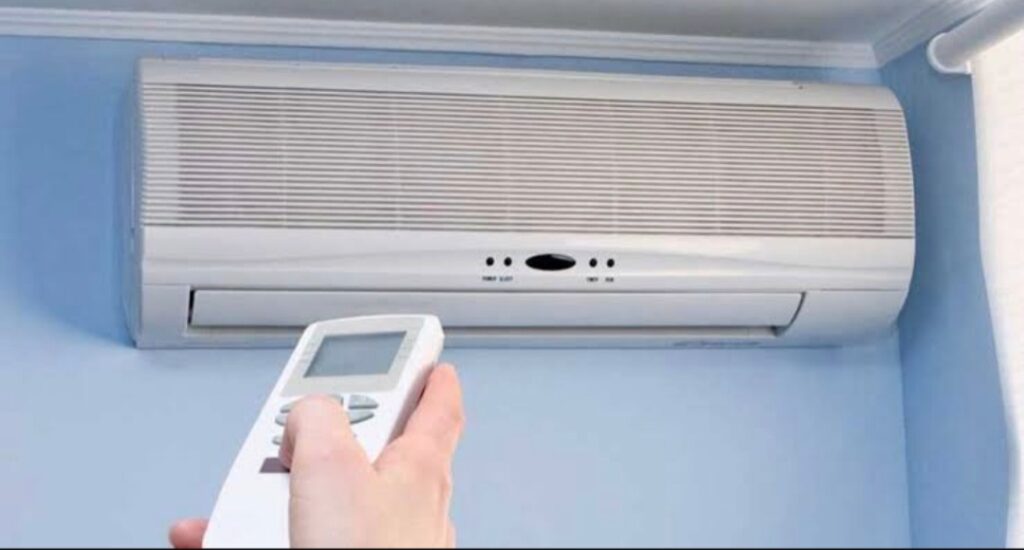
Pune, 3rd April 2026: As summer temperatures rise and the weather takes us through a whirlwind, air conditioners become essential, but they can also drive electricity bills sharply higher. However, with a few smart usage habits and maintenance practices, households can significantly cut costs while staying cool.
Simple changes in how you use your AC can make a noticeable difference to your monthly bill. From adjusting temperature settings to maintaining the unit properly, small steps can lead to substantial energy savings over time.
One of the most effective ways to reduce electricity consumption is by setting the AC at an optimal temperature. Experts, including India’s Bureau of Energy Efficiency, recommend keeping the thermostat around 24°C, as lower temperatures force the compressor to work harder and consume more power. This aligns with broader energy-saving guidance that suggests maintaining a range of 24-26°C for maximum efficiency and comfort.
Regular maintenance is another key factor. Cleaning or replacing air filters ensures proper airflow and prevents the AC from overworking. Dirty filters can increase energy consumption and reduce cooling efficiency, while timely servicing can improve performance by up to 15%. Experts also recommend keeping outdoor units free from dust and obstructions to maintain optimal airflow.
Reducing heat inside the room can further ease the load on your AC. Simple steps such as closing curtains or blinds during peak sunlight hours, sealing gaps in windows and doors, and avoiding heat-generating appliances during the day can help maintain cooler indoor temperatures. This reduces the workload on the air conditioner and leads to lower energy consumption.
Using ceiling fans alongside air conditioning is another effective strategy. Fans help circulate cool air, allowing users to set the thermostat slightly higher without compromising comfort. Similarly, switching off unused electronic devices can prevent additional heat generation and reduce the need for excessive cooling.
Smart usage habits can also make a difference. Turning off the AC when not needed, using timers or smart thermostats, and running the unit only during necessary hours can significantly cut down electricity usage. In addition, ensuring proper insulation in the home helps retain cool air, preventing energy wastage.
For long-term savings, experts suggest investing in energy-efficient appliances, such as inverter ACs, which adjust compressor speed based on cooling needs and consume less electricity compared to conventional models.
With rising temperatures and increasing power costs, these practical measures can help households strike a balance between comfort and affordability. By optimising AC usage and maintaining the unit efficiently, users can not only reduce electricity bills but also extend the lifespan of their appliances.