Kashmir: One Year After Baisaran Valley Attack, Pahalgam Sees Slow Return of Tourists
Reported by Shirsha Mukherji
Srinagar, 22nd April 2026: Baisaran Valley, a scenic meadow near Pahalgam, is a popular tourist destination known for its lush landscapes and tranquil setting. Often referred to as the “Mini Switzerland of Kashmir,” the valley is surrounded by dense pine and deodar forests and offers sweeping views of snow-clad Himalayan peaks. Accessible via a five-kilometre trail on foot or by pony, it remains a preferred choice for visitors seeking a quiet retreat in nature.
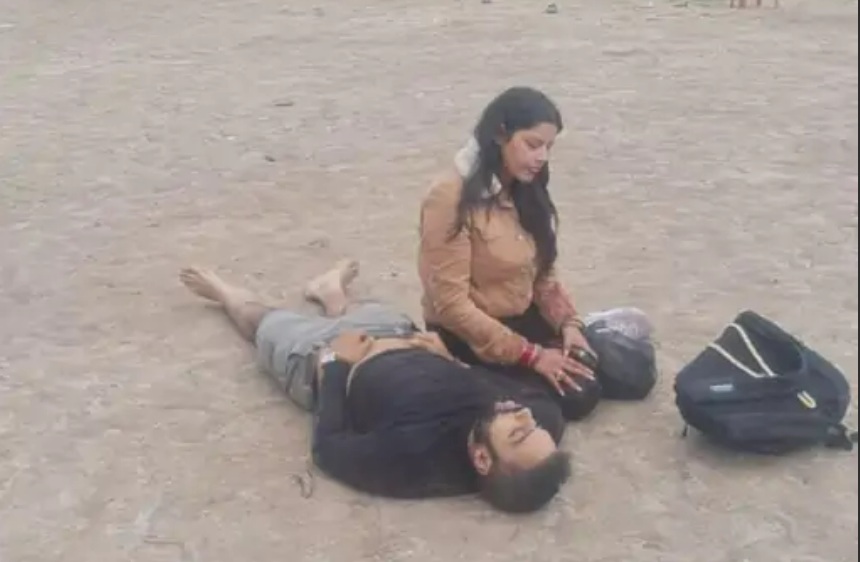
On April 22, 2025, a militant attack at Baisaran Valley marked a major security incident in the region, leaving 26 people dead, including 25 tourists. The incident significantly escalated tensions between India and Pakistan.
In the immediate aftermath, Pahalgam witnessed a mass exodus of tourists. More than 80% of bookings across Jammu and Kashmir were cancelled, with losses in Pahalgam alone reaching nearly 90%. Total tourist arrivals declined from a record 2.36 crore in 2024 to around 1.78 crore in 2025. Local businesses, including pony handlers, hoteliers, and shikara operators, reported income drops of up to 80%, forcing some hotels to lay off over half their staff. Authorities also temporarily shut down nearly 50 tourist sites, particularly high-altitude meadows, to conduct security audits.
Tourist movement to Pahalgam is now gradually recovering, with arrivals picking up from states such as Maharashtra and Gujarat. However, daily footfall currently stands at around 1,000 to 1,500 visitors, significantly lower than the pre-attack levels of 3,000 to 5,000.
Security infrastructure has been significantly strengthened in the aftermath of the attack. More than 7,000 registered service providers, including pony handlers and vendors, have been issued QR codes linked to police-verified details, allowing tourists to verify their credentials instantly. Authorities have also intensified surveillance across key tourist hubs, with increased patrolling and drone monitoring.
Officials said that while international tourism is gradually recovering, domestic travellers continue to drive the resurgence in Jammu and Kashmir. Government-led promotional campaigns highlighting the region’s natural beauty, cultural heritage, improved road and rail connectivity, and eco-friendly initiatives have contributed to this recovery. Authorities are also introducing measures focused on sustainable tourism, skill development for local youth in hospitality, and promoting lesser-known destinations to ensure balanced and long-term growth.