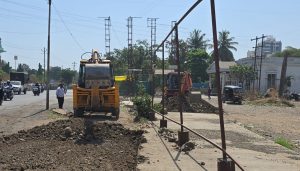
Pune: Mundhwa Botanical Garden Faces Loss of 1,044 Trees Over Proposed DP Road
Reported by Shoaib Tadvi
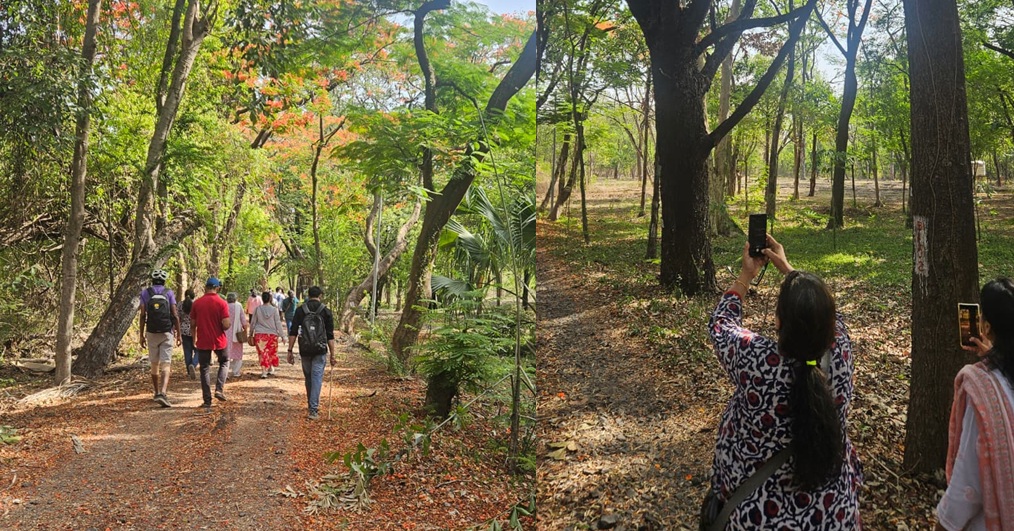
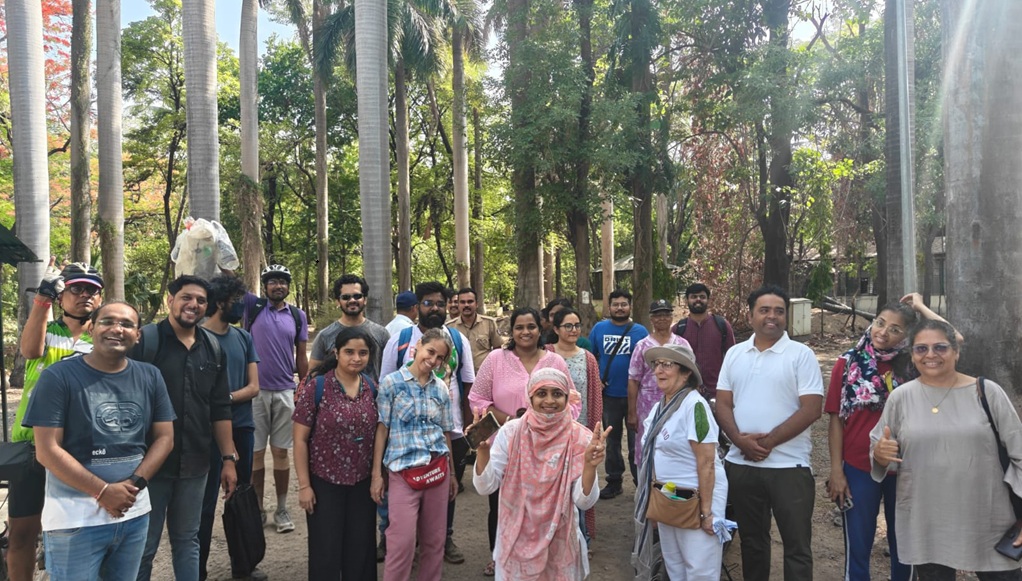
Mundhwa, 7th June 2026: More than 70 residents, environmentalists, nature enthusiasts and local citizens gathered at the Botanical Survey of India (BSI) campus in Mundhwa on Sunday morning to conduct an independent survey and raise objections against the proposed felling of trees for a 30-metre Development Plan (DP) road planned along the riverbank through the botanical estate area.
The gathering comes amid growing concerns over a proposal listed in a Pune Municipal Corporation (PMC) tree-felling docket that recommends the removal of a large number of trees within one of Pune’s most ecologically significant green spaces.
According to the PMC docket, 1,044 trees have been proposed for felling and 444 trees for transplantation, affecting a total of 1,488 trees for the proposed 30-metre-wide riverside DP road project. The proposal also mentions compensatory plantation measures. However, environmentalists argue that mature trees, some decades old, cannot simply be replaced by saplings and that the ecological value of the existing landscape would be permanently altered.
Why the Mundhwa Botanical Survey of India Site Matters
The Botanical Survey of India campus at Mundhwa is not an ordinary parcel of land. Spread across approximately 44 acres, the site has functioned as an important research, conservation and botanical centre for decades. The Western Regional Centre of the Botanical Survey of India maintains live collections of hundreds of indigenous plant species and has been developing the Mundhwa Botanical Garden as a conservation space showcasing native biodiversity.
Environmentalists note that the campus contains more than 400 plant species, including several species native to Maharashtra. The site also serves as a habitat for birds, insects and other wildlife while acting as an important carbon sink in a rapidly urbanising region of Pune.
Residents who attended the survey described the campus as one of the last remaining natural green spaces in the Mundhwa-Keshavnagar-Koregaon Park belt.
“This is the only place where people can still experience nature in this part of the city. Everywhere else we see increasing concretisation, high-rise construction and shrinking green cover. Once these trees are gone, they cannot be replaced,” said a local resident.
Another resident pointed out that temperatures in Mundhwa and surrounding areas have steadily increased due to rapid urban development.
“The city is already becoming a concrete jungle. These trees help regulate temperature, improve air quality and provide habitat for wildlife. Losing them would affect the entire neighbourhood,” the resident said.
Questions Raised Over Tree Protection
Activists have alleged that the concerned Tree Officer failed to exercise powers available under Section 19(a) of the Maharashtra (Urban Areas) Protection and Preservation of Trees Act, 1975, which could have been used to impose conditions aimed at saving trees.
They also referred to observations recorded by the Expert Committee of the PMC Tree Authority. According to the committee’s recommendation, incorporating a flyover into the proposed project could avoid fragmentation of the property and help conserve biodiversity and environmental resources.
Environmental groups argue that this recommendation deserves serious consideration before any final decision is taken regarding tree removal.
Environmental Concerns
Retired Income Tax Officer and environmental activist Rekha Joshi expressed concern about the long-term environmental impact of the proposal.
“This is not merely a question of cutting trees. It is about protecting an ecosystem that has taken decades to develop. Mature trees provide environmental services that cannot be replicated overnight. Authorities must explore every possible alternative before allowing such large-scale tree removal,” she said.
Joshi also emphasised that Pune is already facing increasing heat stress, shrinking green cover and environmental degradation due to rapid urbanisation.
Environmentalists Question the Project
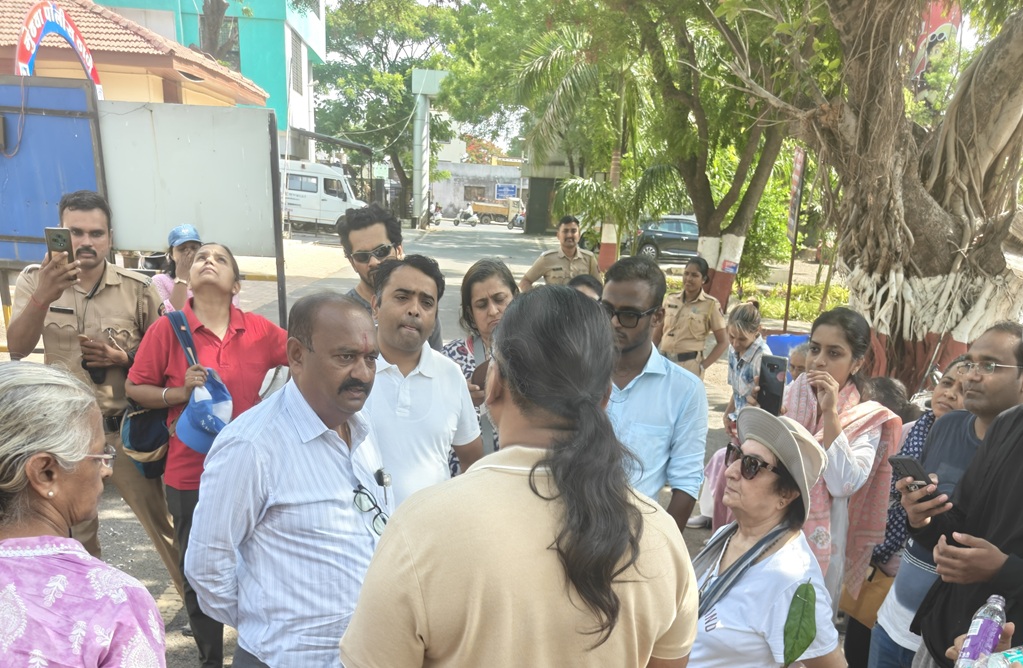
Environmentalist Ameet Singh said citizens are not opposing development but are demanding that environmentally responsible alternatives be explored.
“The issue is not development versus environment. The issue is whether development can be achieved without causing irreversible ecological damage. When expert recommendations suggest alternatives, they should be examined seriously before thousands of trees are affected,” he said.
A Land Dispute Adds Another Layer to the Controversy
The tree-felling controversy is unfolding against the backdrop of a much larger dispute involving the ownership and future of the Mundhwa Botanical Survey of India land.
Historical records indicate that the land was originally classified as Mahar Watan land before government possession was taken in the 1950s. The land was subsequently leased to the Botanical Survey of India for botanical and research purposes.
According to records cited by activists, the Botanical Survey of India has operated on the land for decades under lease arrangements that were extended and are stated to remain valid until 2038.
Activists have drawn attention to a series of developments between 2021 and 2026 involving power-of-attorney agreements, land transactions, revenue records, occupancy claims and attempts to transfer rights connected with the property.
These developments culminated in a major controversy over the proposed transfer of the land to a private entity for an IT park project in 2025. Government inquiries, committee reviews, revenue proceedings and legal challenges have since examined various aspects of the transaction.
The controversial 2025 sale of ~40 acres of government Mahar Watan land (where BSI is located) to Amadea Enterprises LLP (majority-controlled by then Deputy CM Ajit Pawar’s son Parth Pawar, with his cousin and business partner Digvijay Patil) was cancelled. Government probes largely gave Parth Pawar, now NCP MP) a clean chit while indicting Digvijay Patil, Sheetal Tejwani (the power-of-attorney holder who executed the sale), and several officials.
However, in April 2026, the Maharashtra Revenue Authority upheld a demand for nearly ₹21 crore in stamp duty and penalty on the firm. Criminal cases continue against Digvijay Patil and Sheetal Tejwani, while the land remains with the Botanical Survey of India. The episode continues to spark political debate.
Environmental groups argue that questions surrounding ownership, land records and legal status make it even more important to exercise caution before permitting extensive alterations to the site’s ecology.
Flood Risk and Climate Concerns
Participants at Sunday’s survey also cited data from the Maharashtra Engineering Research Institute (MERI), which they claim indicates a significant increase in rainfall intensity and flood risks for Pune in coming decades.
Environmentalists argue that preserving green spaces and riparian ecosystems is essential for climate resilience. They contend that reducing tree cover near river systems could worsen urban flooding, increase runoff and contribute to the urban heat island effect.
The presence of heritage trees, biodiversity-rich habitats and riparian ecology within the site has further intensified concerns about the project’s environmental consequences.
Questions Over Compensatory Plantation
The proposal includes compensatory plantation measures. However, activists remain sceptical, arguing that compensatory plantations often fail to replicate the ecological value of mature trees.
Environmental groups have repeatedly raised concerns about survival rates, maintenance standards and monitoring of compensatory plantations in Pune.
They argue that replacing decades-old trees with newly planted saplings does not compensate for the immediate loss of canopy cover, biodiversity, carbon storage and ecological services.
Citizens Demand Transparency
Participants in the survey demanded greater transparency regarding the project, the tree-felling proposal and the future of the Botanical Survey of India campus.
They called for:
– A detailed environmental impact assessment.
– Public disclosure of project alternatives.
– Examination of expert committee recommendations.
– Protection of heritage trees and biodiversity.
– Clarification regarding land ownership and legal status.
– Consideration of alternative alignments and designs that minimise tree loss.
The group pledged to continue monitoring developments and submitting objections to the proposal.
For many residents, the issue extends beyond a road project. They view the Mundhwa Botanical Survey of India campus as one of Pune’s last significant urban biodiversity zones and believe decisions taken today will shape the environmental future of the city for generations to come.