Pune Hotels Fly in Workers as Labour Shortage Hits Hospitality Sector
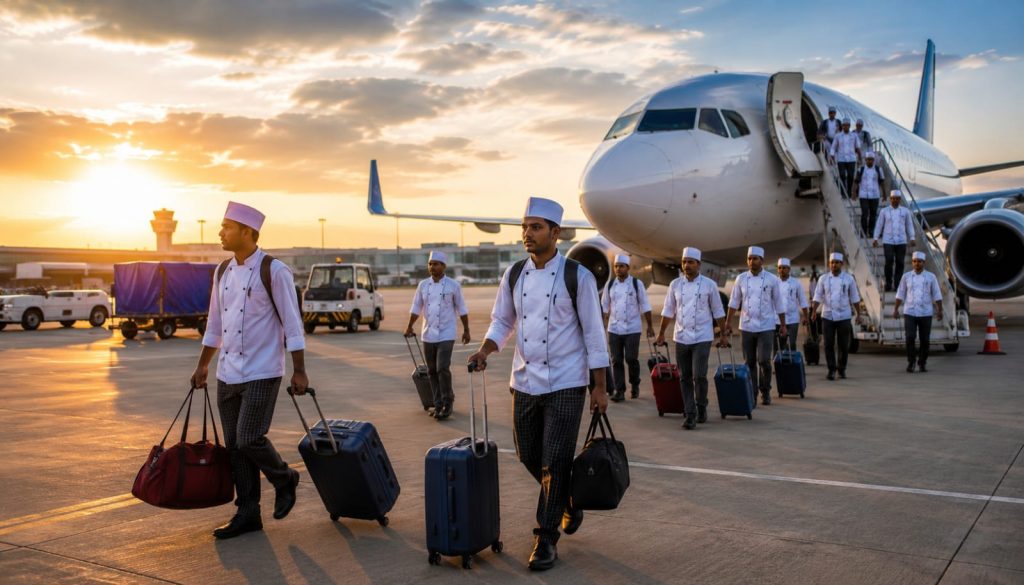
Pune, 15th June 2026: Pune’s hospitality industry is grappling with an acute labour shortage, forcing several hotels and catering businesses to take extraordinary measures to keep operations running. In a striking example of the crisis, some hotel owners have flown workers back to Pune from their native states to bridge the widening manpower gap.
The shortage has emerged as one of the biggest challenges facing the sector in recent months. Industry representatives said a combination of factors, including rising operational costs, LPG supply constraints and the temporary migration of workers to their hometowns, has significantly affected day-to-day operations.
According to hoteliers, a large number of migrant workers employed in Pune’s hotels and catering establishments are from West Bengal. Many of them returned home during the state’s Assembly elections, resulting in a sudden shortage of manpower across the sector.
Kishore Sarpotdar, President of the Pune Restaurant and Catering Association, said the situation had become so critical that some businesses arranged air travel to bring workers back to Pune immediately after the elections.
“Many workers from West Bengal are employed in Pune’s hotel and catering industry. They returned to their native places during the Assembly elections, creating a labour shortage. After the elections, some hotel and catering operators brought them back by air. This indicates the seriousness of the problem,” Sarpotdar said.

Apart from the labour crisis, hoteliers are also struggling with mounting expenses. Industry members said commercial LPG cylinder prices have nearly doubled since tensions escalated in West Asia. At the same time, the prices of edible oil, vegetables and other essential commodities have continued to rise.
As a result, food prices at several establishments have increased by nearly 20 per cent, adding to the financial burden on consumers. However, hotel owners said there is limited scope for further menu price hikes.
“There is a limit to how much we can raise prices. Customers cannot afford steep increases in the prices of chapatis and other food items. Therefore, many businesses are reducing their profit margins and absorbing a portion of the increased costs,” a hotel operator said.
Many establishments attempted to switch to electric cooking equipment due to LPG supply constraints. However, the alternative has proved expensive, with electricity costs reportedly almost double those of LPG. Frequent power outages have further complicated matters, while the cost of generators remains unaffordable for many small hotel owners.

The hospitality sector is now seeking measures to stabilise fuel prices and improve workforce availability, warning that prolonged challenges could place additional pressure on businesses already operating on shrinking margins.