Maharashtra TET 2026: No Dupattas, Burqas, Masks or Caps Allowed; AI Surveillance, Biometric Checks Introduced
Pune, 19th June 2026: Candidates appearing for the Maharashtra Teacher Eligibility Test (TET), scheduled to be conducted across the state on June 28, will have to comply with a stricter set of examination protocols this year, with the Maharashtra State Examination Council introducing enhanced security and verification measures aimed at preventing malpractice, impersonation and other irregularities during the test.
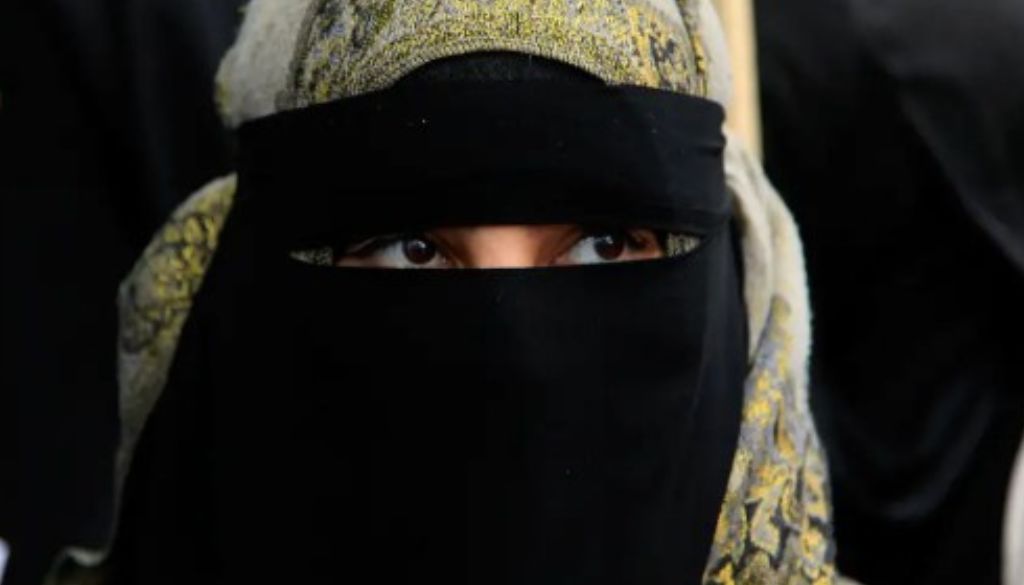
According to the council, candidates will not be permitted to wear items such as dupattas, burqas, masks or caps while appearing for the examination. Aspirants must also carry the original copy of at least one valid identity proof, including an Aadhaar card, PAN card, driving licence or voter ID card.
The tightened rules come in the backdrop of concerns over examination irregularities witnessed in competitive tests across the country, including the NEET examination. The council said a series of technological and security measures have been introduced to ensure a transparent and fair examination process.
All candidates and personnel involved in examination duties will undergo frisking with metal detectors before entering examination centres. Candidates will also be screened using hand-held metal detectors. Biometric attendance will be mandatory, and facial recognition technology will be used to verify the identity of every candidate.
State Examination Council chairman Dr Nandkumar Bedse warned that strict criminal action would be taken if any impersonation attempt is detected. “If anyone other than the original candidate is found appearing for the examination, immediate criminal proceedings will be initiated,” he said.
The council has also deployed Artificial Intelligence-based CCTV surveillance systems at examination centres, examination halls and surrounding premises to monitor activities in real time.
To strengthen coordination during the examination, internet-based communication facilities will be provided to examination centre directors, control rooms and the State Examination Council through a system called “Connect View”, enabling immediate communication in case of any issue.
Another new feature, termed “Photo View”, will allow authorities to cross-verify candidates’ names and photographs with records from previous examinations. The system will flag cases involving a single candidate linked to multiple photographs, identical photographs linked to different names, or candidates who have submitted applications at multiple examination centres.