
Pune Water Crisis? PMC Report Reveals 9,599 Diarrhoea Cases Linked to Water-Borne Diseases
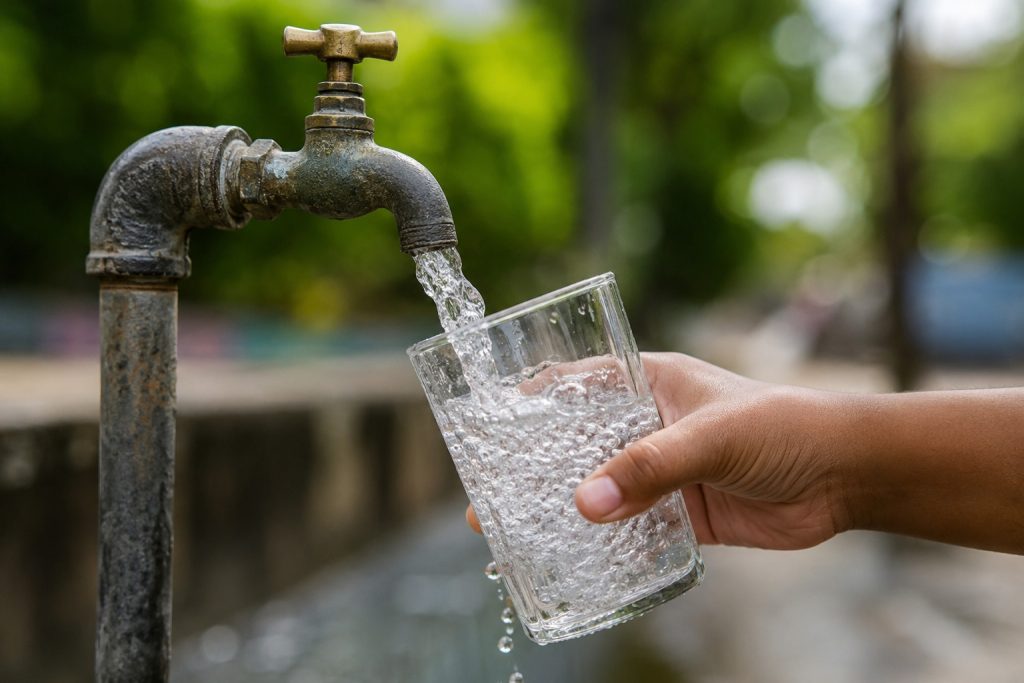
Pune, 31st July 2026: Even as the Pune Municipal Corporation (PMC) has highlighted improvements in the city’s water treatment capacity in its Environment Status Report 2026, the same report has raised serious concerns over drinking water quality, revealing that 9,599 cases of acute diarrhoea were reported in 2025—far exceeding the combined total of other major water-borne diseases.
According to the report, acute diarrhoea was the most common water-borne disease reported in Pune last year. Data compiled by the PMC’s Communicable Disease Control Department under the Integrated Health Information Platform (IHIP) recorded 9,599 cases of acute diarrhoea, 179 cases of dysentery, 135 cases of viral hepatitis, 110 cases of typhoid, and one case of cholera during 2025.
The report notes that acute diarrhoea cases alone outnumbered the combined total of the other four major water-borne diseases by a wide margin, highlighting a significant public health concern.
PMC officials said the city’s disease surveillance system continuously monitors water-borne, food-borne and respiratory infectious diseases to track trends, detect outbreaks early and identify emerging public health risks.

The report states that diseases such as acute diarrhoea, viral hepatitis, typhoid, dysentery and cholera are primarily transmitted through contaminated water or food. As a result, the prevalence of these illnesses serves as an important indicator of the quality of drinking water, the effectiveness of Pune’s sewage management system and the city’s overall sanitation standards.
While the civic body has claimed improvements in water treatment infrastructure, the findings have once again raised concerns over the efficiency of Pune’s water distribution network, sewage infrastructure and sanitation systems.
In light of the findings, the PMC has recommended a comprehensive assessment of the city’s water supply and sewage infrastructure, particularly in the wake of the recent Guillain-Barré Syndrome (GBS) outbreak. The report emphasises the need to identify the root causes of water contamination and implement targeted corrective measures to reduce the incidence of water-borne diseases and prevent future outbreaks.

Health experts have advised residents to consume only boiled or purified drinking water, maintain proper hand hygiene and avoid eating food from unhygienic establishments. They have also stressed the need to prevent leakages in water supply pipelines, contamination of potable water and the mixing of sewage with drinking water to improve public health and reduce the risk of disease.