
Pune Beats Ahmedabad to Top India’s City Vitality Rankings for April-June 2026
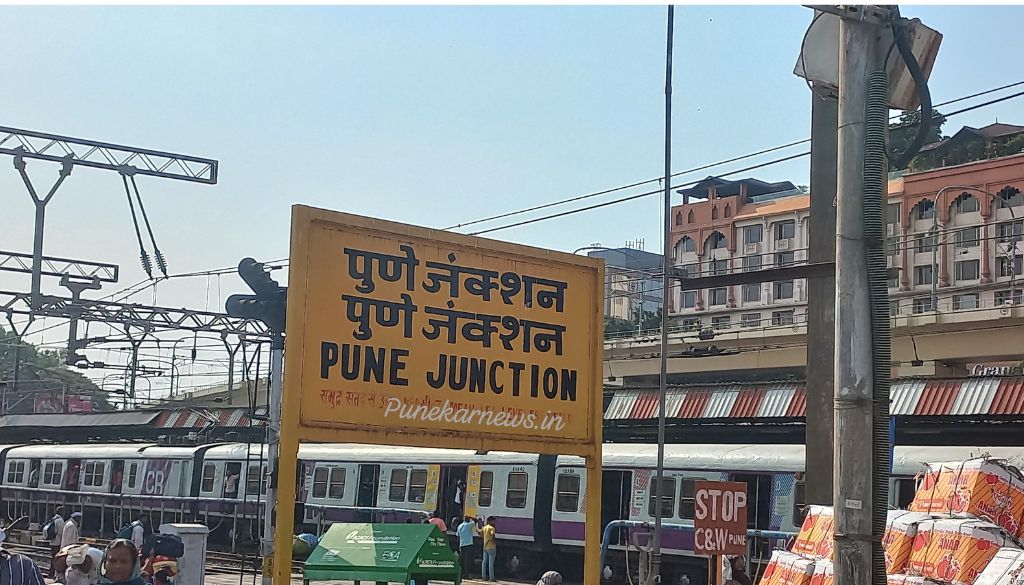
Pune, 19th August 2026: Pune has retained its position as India’s most economically vital metropolitan city in Dun & Bradstreet’s City Vitality Index for the April–June 2026 quarter, supported by its strengths in information technology, advanced manufacturing, the automobile industry, education and innovation-led economic activity.
Dun & Bradstreet released the latest edition of the index on Wednesday. The City Vitality Index assesses economic vitality across more than 800 districts in India using satellite-derived Earth observation data and economic indicators.
While Pune led the metropolitan-city rankings, Ahmedabad secured the second overall position. Kolkata recorded the strongest growth momentum among metropolitan cities, indicating an acceleration in economic activity and potential for investment.
Among emerging economic centres, South 24 Parganas secured the top position, followed by North 24 Parganas and Thane. According to the report, the rankings underline the increasing economic importance of districts beyond India’s conventional metropolitan centres.
Jaipur, Nashik, Surat, Murshidabad and Ranga Reddy are also strengthening their economic presence and emerging as important contributors to regional development, the report said.
Several districts, including Dimapur, Panchmahals, Anand, Ayodhya, Rampur, Basti, Shamli, Boudh, Aurangabad and Koderma, have consistently performed strongly over the past decade. Their performance since the second quarter of 2012 reflects sustained economic resilience and long-term growth momentum, according to the company.
The findings suggest that India’s economic growth and urbanisation are becoming more geographically diversified, with businesses, investments, skilled workers and infrastructure development increasingly spreading to emerging cities and districts.
The expansion of these economic corridors is expected to be significant for investors, businesses, property developers and policymakers seeking to identify future opportunities and allocate resources effectively.
Dr Arun Singh, Chief Economist at Dun & Bradstreet India, said the latest index highlighted an important structural change in India’s growth trajectory. While metropolitan centres such as Pune continued to drive economic scale and productivity, emerging cities and districts were becoming increasingly significant contributors to investment, enterprise creation and employment, he said.
Dr Singh said the rise of South 24 Parganas and North 24 Parganas showed that economic momentum was spreading across a wider geographical area. The broadening of India’s growth base would influence future infrastructure demand, capital flows, urban development and employment opportunities, making regional competitiveness an increasingly important driver of economic progress, he added.
Dun & Bradstreet said the findings showed that India’s growth story was no longer confined to a handful of metropolitan areas. Although established cities continued to anchor the economy, a wider network of emerging centres was developing into an important source of national and regional growth.