Kaas Plateau Flowering Season 2026: Visitor Rules, Best Time to Visit and Eco-Friendly Guidelines
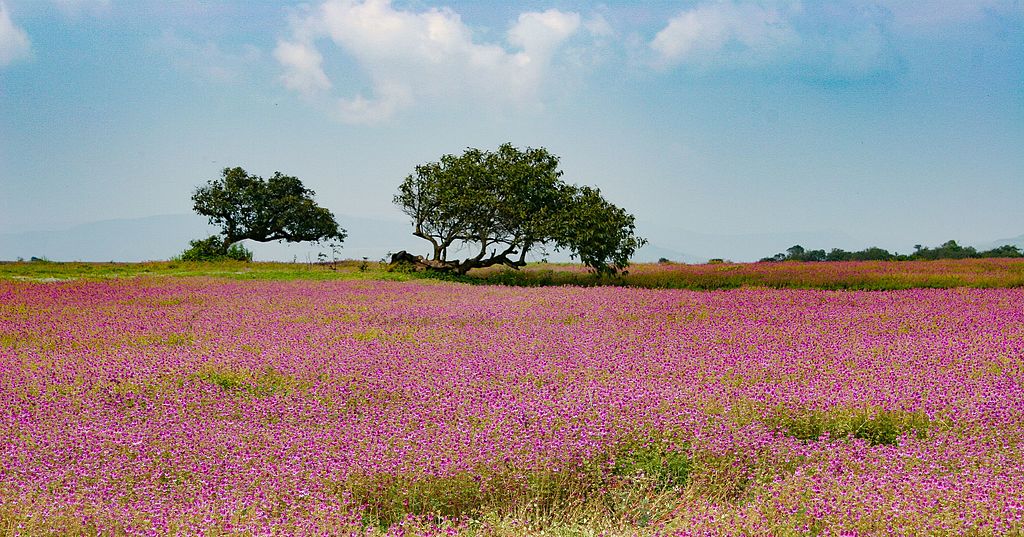
Satara, 26th August 2026: As the monsoon progresses, Maharashtra’s famous Kaas Plateau, popularly known as the Valley of Flowers of Maharashtra, is once again drawing the attention of nature lovers, photographers and tourists planning post-monsoon trips.
Located around 25 kilometres from Satara city, Kaas Plateau is part of the Western Ghats UNESCO World Heritage property and is one of Maharashtra’s most ecologically significant landscapes. Situated at an elevation of around 1,200 metres, the plateau is known for its spectacular seasonal flowering, which transforms the landscape into a carpet of colourful wildflowers.
The plateau is home to more than 850 species of flowering plants, including several rare, endemic and endangered varieties. As different species bloom at different stages of the season, the landscape changes continuously, displaying varying shades of yellow, pink, blue, white and purple.
Visitor restrictions to protect fragile ecosystem
Kaas’s popularity has also created challenges for conservation authorities. With thousands of tourists visiting during the flowering season, restrictions have been introduced on the number of visitors allowed at the site each day.
According to information available from tourism authorities, the visitor limit is intended to reduce pressure on the fragile ecosystem. The current system allows a maximum of 3,000 visitors per day, divided into three time slots of 1,000 visitors each:
7 am to 11 am: 1,000 visitors
11 am to 3 pm: 1,000 visitors
3 pm to 6 pm: 1,000 visitors
Visitors are advised to plan their trips in advance, particularly during the peak flowering period. The Maharashtra Tourism Department also recommends advance booking and urges visitors to follow conservation guidelines while visiting the plateau.
More than just a tourist destination
Kaas is not merely a scenic attraction. It is an important biodiversity landscape of the Western Ghats and supports a large number of endemic plant species.
UNESCO documentation notes that more than 850 flowering plant species occur in the Kaas region, with several species listed as endangered. The plateau also supports grasses, orchids, insectivorous plants and other specialised vegetation associated with the rocky habitats of the Western Ghats.
The region’s ecological importance was a key factor behind its inclusion in the Western Ghats UNESCO World Heritage property in 2012. The area is particularly significant because of its high concentration of endemic and threatened plant species.
When does Kaas Plateau bloom?
The flowering season generally occurs between August and October, although the exact timing and intensity of the bloom depend on rainfall and local weather conditions.
Maharashtra Tourism identifies late August to early October as a favourable period for witnessing the seasonal floral display.
The plateau does not remain covered with the same flowers throughout the season. Different species appear at different stages, meaning the landscape can change considerably over a few weeks.
Tourists urged to follow eco-friendly practices
With Kaas attracting increasing numbers of visitors, authorities and conservation groups have repeatedly stressed the need for responsible tourism.
Visitors are advised not to step on flower beds, pluck flowers, litter the area or disturb local wildlife. Tourists are also encouraged to carry reusable water bottles, minimise plastic waste and be prepared for sudden changes in weather during the monsoon.
The need for such measures has grown alongside the destination’s popularity. Earlier reports have raised concerns among conservationists and officials about the impact of increasing tourist numbers on the sensitive ecosystem, leading to measures such as visitor registration and restrictions.
A destination for nature and photography enthusiasts
Beyond its seasonal flowers, the Kaas region offers scenic landscapes, Kaas Lake and access to several attractions in the wider Satara region.
Nearby destinations include Thoseghar Waterfalls and Sajjangad Fort, along with other Western Ghats landscapes.
For visitors travelling from Pune, Kaas is a popular weekend destination, while Satara serves as the nearest major town. The plateau is accessible by road and forms part of the wider Satara tourism circuit.
As the flowering season approaches, the focus at Kaas remains on maintaining a balance between tourism and conservation. With its rare flora and fragile ecosystem, the message for visitors is clear: enjoy the flowers, but protect them first.
For official information and visitor registration, tourists are advised to check the Kaas Plateau website before planning their visit: kas.ind.in.