Pune Ganeshotsav Must Be Celebrated Traditionally Without DJs: Punit Balan Advocates For ‘DJ-Free’ Festival
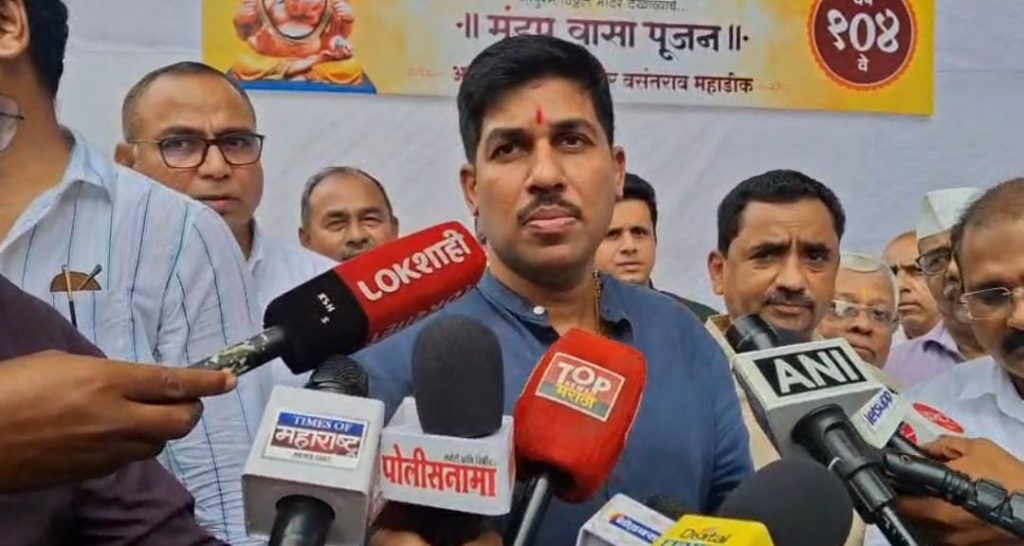
Pune, 26th August 2026: Prominent entrepreneur, social worker, and Trustee of the Shrimant Bhausaheb Rangari Ganpati Trust, Punit Balan, has reiterated his firm stance calling for a completely “DJ-free” Sarvajanik Ganeshotsav in Pune, urging Ganesh mandals to uphold the city’s rich cultural heritage through traditional musical instruments like Dhol-Tasha.
Speaking to reporters during a mandal event in the city, Balan addressed ongoing debates surrounding the use of high-decibel DJ sound systems and laser walls during immersion processions.
Preserving Historical Legacy
Highlighting Pune’s historical significance as the birthplace of public Ganesh celebrations, Balan noted that the Sarvajanik Ganeshotsav was initiated in 1892 by Shrimant Bhausaheb Rangari and expanded across the country by Lokmanya Bal Gangadhar Tilak in 1894.
“Pune has always been the epicentre of the Sarvajanik Ganeshotsav. It is my firm personal stance that this festival must be celebrated traditionally and culturally with traditional instruments. It should be entirely DJ-free. I will stand 100% behind every mandal that supports this vision,” Balan said.
Dhol-Tasha vs. DJ Sound Systems
Addressing questions regarding noise concerns associated with Dhol-Tasha troupes, Balan defended the traditional drum troupes, drawing a clear contrast between human drummers and mechanized sound walls.
Human Element: Drummers in Dhol-Tasha pathaks are human beings who exert physical effort and naturally moderate their energy over long processions, whereas electronic DJ machines play continuously without fatigue.
Cultural Decorum: Balan criticized the vulgar songs and inappropriate dancing often seen before giant DJ sound walls, contrasting it with traditional devotional music and vadan.
Compliance: He affirmed that Dhol-Tasha pathaks generally abide by police regulations and permissible decibel levels.
Growing Support Among Mandals
When asked about the backing for his campaign, Balan stated that around 150 to 200 Ganesh Mandals are already committed to celebrating the festival in a traditional, DJ-free manner. He expressed confidence that as the movement gains momentum, widespread support from citizens and mandals across Pune will continue to grow.
On Administration and Independence
Responding to queries about discussions at the Pune Municipal Corporation (PMC) coordination meetings and allegations of administrative pressure, Balan clarified that the police and municipal authorities operate as independent bodies.
He maintained that law enforcement agencies (police) formulate and enforce guidelines based on law and order requirements independently, while his appeal remains focused on preserving the cultural sanctity and tradition of Pune’s historic festival.
The Pune Police, however, have made it clear that loud music systems exceeding prescribed noise limits will not be permitted during the festivals.
Pune Police Commissioner Amitesh Kumar said there was no objection to the celebration of the festivals, but music systems causing noise pollution would not be allowed.
“There is no objection to celebrating the festivals, but loud music systems that cause noise pollution would not be permitted,” Kumar said.
He warned that music systems found operating above the prescribed sound limits would be seized immediately.
The police stand was reiterated during preparations for the Ganapati festival, as representatives of various civic departments, the police administration and Ganesh mandals met at the Pune Municipal Corporation building on Monday to discuss arrangements and guidelines for the upcoming celebrations.
The debate has seen contrasting views from festival organisers and DJ operators. While several Ganesh mandals have sought greater freedom to use sound systems.
Balan had taken a stand during Ganeshotsav last year. In 2025, he announced that the Punit Balan Group would not provide financial assistance through advertisements to Ganesh mandals that used DJs or inappropriate music, calling for a return to religious and traditional forms of celebration.
The initiative was subsequently extended to Dahi Handi celebrations, with a combined event organised by the Punit Balan Group and participating Ganesh mandals without DJ music. Traditional dhol-tasha, band and other cultural performances were used instead.
This year’s call for a DJ-free Ganeshotsav comes as Pune authorities prepare for the annual festival, with noise pollution, traffic management, fire safety and public convenience among the key concerns.
The participation of more than 200 mandals in the DJ-free initiative of Punit Balan is expected to add a new dimension to Pune’s annual debate over balancing festive celebrations, traditional music and the need to curb noise pollution.