Ashwini Vaishnaw Confirms Pune–Nashik Corridor via Ahilyanagar–Shirdi
Reported By Amit Singh
Pune, 17th June 2026: Union Railway Minister Ashwini Vaishnaw has confirmed that the proposed direct Pune–Nashik semi-high-speed railway corridor will not be taken up, as the alignment was found to be technically unfeasible due to issues linked to the Giant Metrewave Radio Telescope (GMRT) zone near Narayangaon.
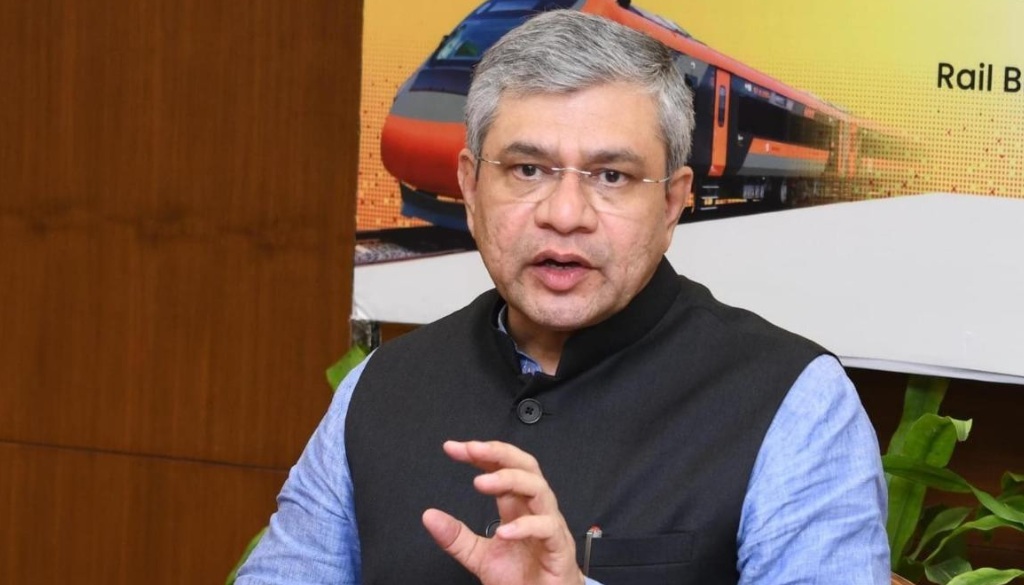
Addressing the issue, Vaishnaw said, “The Pune–Nashik issue has been resolved. A direct route is not being built. It has become technically not feasible. The route will now be Pune–Ahilyanagar–Shirdi–Nashik. A lot of work has already been sanctioned and work has also begun. We will benefit from it very soon.”
The original Pune–Nashik semi-high-speed rail project was planned as a direct link connecting Maharashtra’s two major industrial and educational hubs through Chakan, Rajgurunagar, Narayangaon and Sangamner. However, the alignment passed close to the internationally renowned Giant Metrewave Radio Telescope facility, raising concerns over potential electromagnetic interference with its scientific observations. The Department of Atomic Energy and scientific authorities advised against the proposed alignment, prompting the Railways to explore an alternative route.
As a result, the Centre has opted for a revised corridor connecting Pune with Nashik via Ahilyanagar and Sainagar Shirdi. The revised plan leverages a combination of new railway lines, doubling projects and existing infrastructure, significantly reducing project complexity and cost while maintaining comparable travel time. According to the Ministry of Railways, DPRs have already been prepared for the Pune–Ahilyanagar and Nashik–Shirdi sections, while several connecting works have either been sanctioned or are already underway.
The new alignment is expected to boost rail connectivity for pilgrims travelling to Shirdi, improve regional connectivity across western Maharashtra, and provide a more practical alternative to the earlier semi-high-speed proposal. While some industrial bodies and public representatives have expressed concerns that the revised route bypasses key growth centres such as Sangamner and Sinnar, the Centre maintains that the new corridor offers the most feasible solution after considering technical and scientific constraints.