Bombay High Court Upholds Mandatory FASTag, Dismisses Plea Against Double Toll Fees
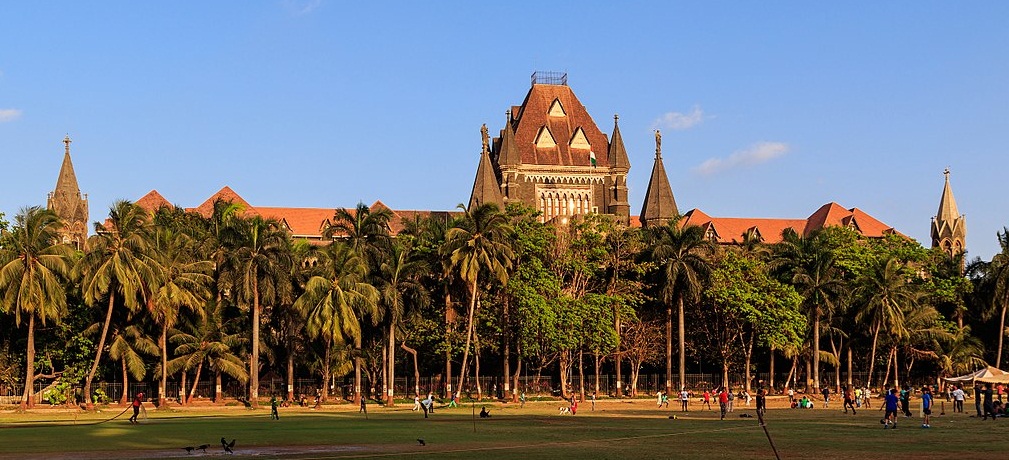
Mumbai, 15th March 2025: The Bombay High Court has upheld the mandatory use of FASTag for toll payments on national highways, ruling that the double toll fee for non-compliance is not arbitrary but in line with government policy.
A bench comprising Chief Justice Alok Aradhe and Justice Bharati Dangre rejected a Public Interest Litigation (PIL) filed by Pune resident Arjun Khanapure, who challenged the National Highways Authority of India’s (NHAI) 2021 circular mandating double toll fees for vehicles without FASTag. Khanapure had requested that at least one lane remain hybrid to accommodate cash payments.
FASTag Policy to Ensure Seamless Travel
The court backed the government’s decision, stating that the FASTag system, introduced in 2014, aims to improve road efficiency and ensure seamless travel.
“The introduction of FASTag is a policy decision meant to streamline traffic flow and reduce congestion at toll booths. The system has been in place for years and is here to stay,” the bench observed.
The judges further clarified that paying double toll fees is not a penalty, as it is specified under the National Highways Fees Rules for vehicles entering a FASTag-only lane without the required tag.
Court Dismisses Claims of Fundamental Rights Violation
Khanapure’s advocate, Uday Warunjikar, argued that FASTag implementation has been flawed due to inadequate infrastructure, causing inconvenience to commuters. He also contended that many individuals struggle with digital payments, and charging double fees violates their fundamental right to freedom of movement.
However, the court disagreed, stating that ample time had been given to the public to transition to FASTag before making it compulsory.
“It is a misconception that double toll collection is a penalty. The FASTag system has been made user-friendly with multiple recharge options, including offline methods. Given the widespread use of mobile phones, especially in urban areas like Mumbai and Pune, it is difficult to believe that people are incapable of handling FASTag transactions,” the court observed.
Rationale Behind Limiting Cash Payments
The bench also noted that restricting cash payments at toll booths is a logical step to reduce delays and is not an arbitrary decision.
“There is a clear rationale behind limiting cash transactions at toll plazas. This policy does not infringe upon anyone’s fundamental rights,” the judges stated while dismissing the PIL.
With this ruling, the mandatory use of FASTag remains in place, reinforcing the government’s push for digital toll payments and smoother highway travel.