Devotees in Pune Offer Prayers to Rising Sun as Four-Day Chhath Festival Concludes
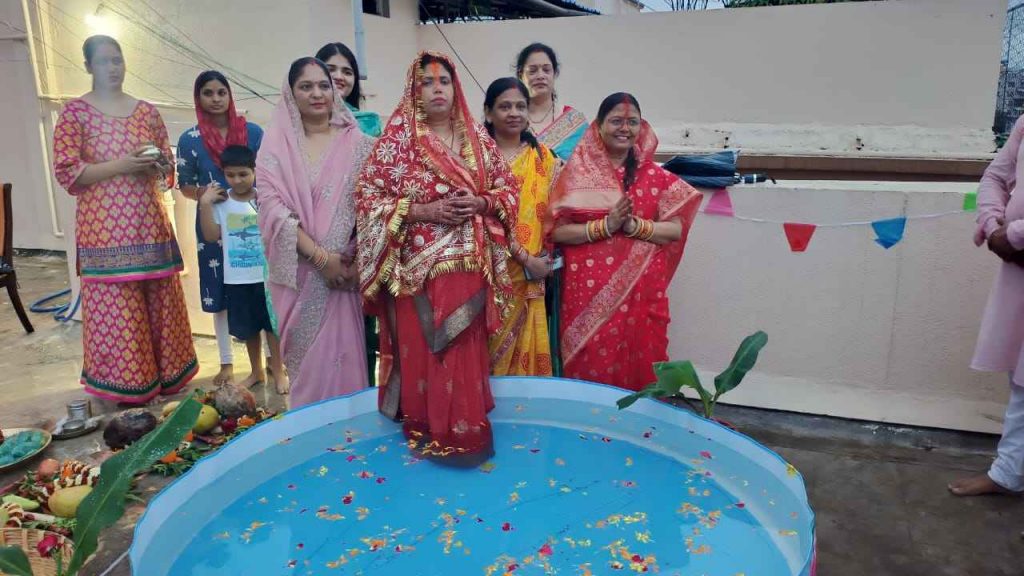
Pune, 28th October 2025: The four-day-long Chhath festival, one of the most vibrant celebrations of faith and purity, concluded today in Pune with thousands of devotees offering prayers to the rising sun, marking the end of a 36-hour-long fast. The occasion, dedicated to Surya Dev (Sun God) and Chhathi Maiya, drew massive participation across the city.
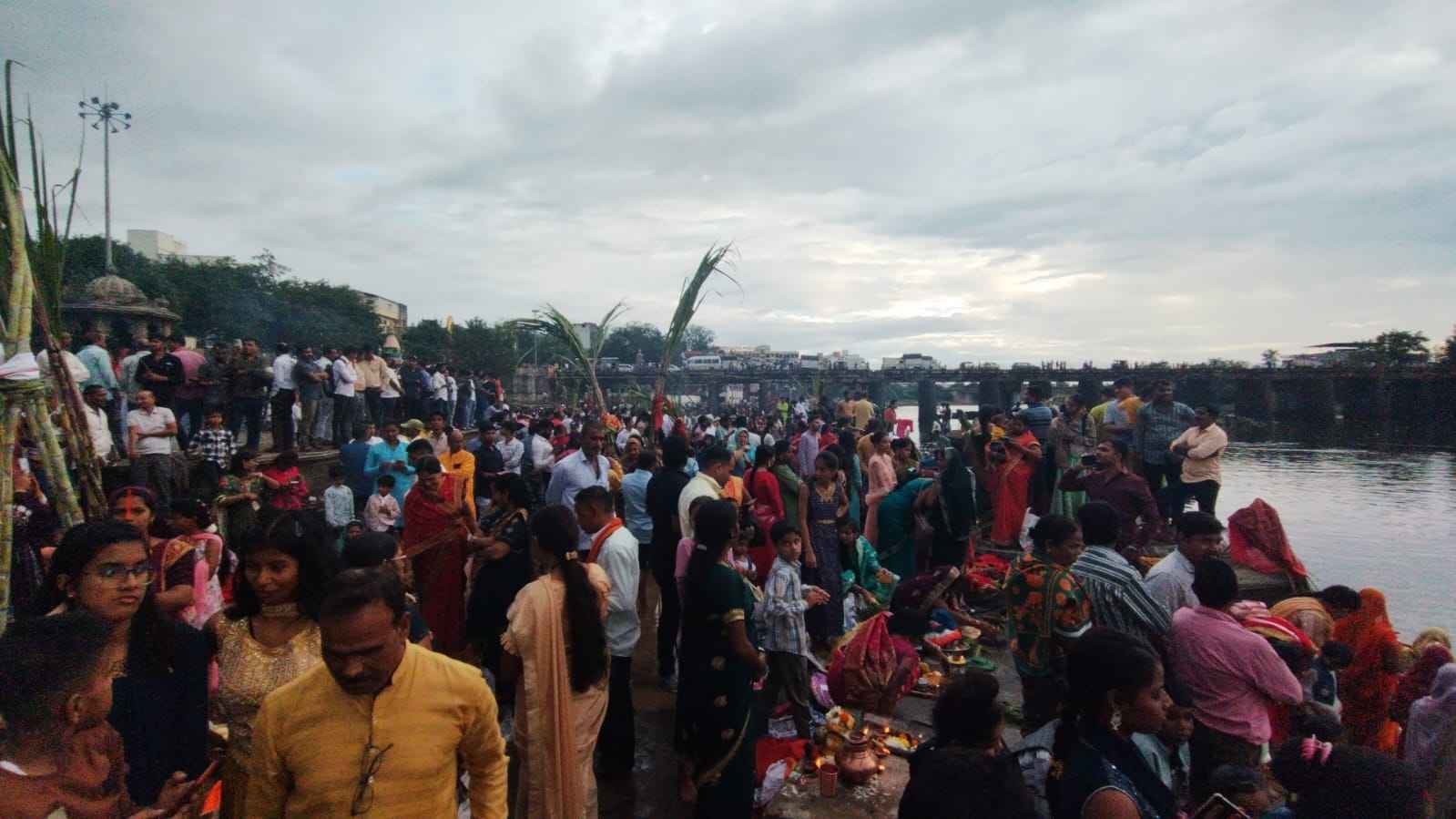
From Wagholi to Ravet, and Katraj to Lohgaon, riverbanks, ponds, and artificial water tanks turned into scenes of deep devotion as worshippers gathered before dawn to perform the sacred Usha Arghya — the offering to the rising sun.
According to the Bihar Foundation, Chhath Puja was celebrated at more than 40 locations across Pune and Pimpri Chinchwad, reflecting the growing presence of the North Indian community in the region.
A Morning of Faith and Thanksgiving
At daybreak, devotees dressed in traditional attire stood waist-deep in water, holding brass and copper vessels filled with offerings of red sandalwood, flowers, and fruits. The ritual symbolizes gratitude to the Sun God for sustaining life and ensuring the well-being of one’s family.
After the sunrise prayers, devotees performed the Paran or Parana ritual — breaking their fast with prasada and water. This act, simple yet deeply symbolic, signifies thanksgiving, renewal, and the end of austerity.
“According to the Vishnu Purana, the Sun received the Saptami Tithi during the divine distribution of days, and hence is called the Lord of Saptami,” explained Pandit Rakesh Jha, a local priest. “Offering water to the Sun with red sandalwood and flowers in a copper vessel is said to bring longevity, knowledge, fame, and strength while purifying the soul of past sins.”
Prayers, Purity, and Community
On Monday evening, devotees had offered Sanghya Arghya to the setting sun — a moving sight where the sky turned golden as families lined the ghats with diyas flickering along the water’s edge. The final morning’s rituals, in contrast, brought calmness and joy, marking the festival’s spiritual closure.
Throughout the celebration, devotees prepared prasada such as thekua, laddu, khajuria, tikri, and kasar — all cooked without salt, onion, or garlic to maintain purity. Fruits like sugarcane, banana, coconut, and sweet lime were offered in bamboo baskets, reflecting the festival’s deep-rooted connection with nature.
Families also performed the traditional Kosi Bharai ritual, tying together 5–7 sugarcanes to form a mandap under which 12 to 24 diyas were lit. Offerings of thekua and fruits were placed beneath, symbolizing prayers for family prosperity. The ritual was repeated in the early hours of the next morning before the final Arghya was offered to the rising sun.
Chhath in Pune: Faith Beyond Boundaries
Over the years, Pune has become a hub for Chhath Puja celebrations, with communities from Bihar, Jharkhand, and eastern Uttar Pradesh recreating the rituals with devotion and precision. In many housing societies and public grounds, temporary ponds and decorative setups were built to allow worshippers to perform rituals where natural water bodies are not accessible.
For many devotees, Chhath is not just a festival but a bond of faith that connects families across generations and geographies. As the sun rose over Pune’s skyline today, the chants of “Chhathi Maiya ki Jai” echoed across the city — a reminder of resilience, purity, and the timeless devotion that binds people beyond borders.