Drought-Hit Crops Push Up Prices of Jowar, Wheat, Bajra and Maize
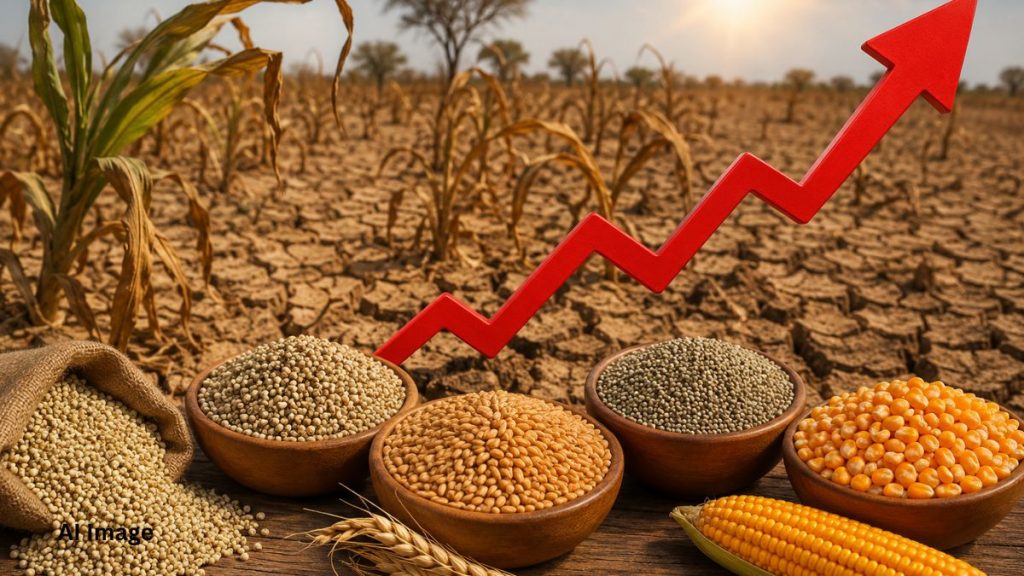
Pune, 19th October 2026: The impact of this year’s drought in Maharashtra is now being felt in household kitchens, with irregular rainfall damaging crops and reducing market arrivals, leading to a sharp rise in grain prices. Jowar, wheat, bajra and maize, staples for many families across the state, have become significantly more expensive, putting additional pressure on low-income and middle-class households.
The price rise in jowar, in particular, has made it increasingly difficult for families to afford a staple considered nutritious and easy to digest. Jowar bhakri is often recommended for senior citizens, patients and people with diabetes as part of their diet. However, a steep increase in the price of indigenous jowar has raised concerns about its affordability and the nutritional intake of vulnerable groups.
According to local grain traders, the price of indigenous jowar, which previously ranged from Rs 45 to Rs 70 per kg, has increased by Rs 20 to Rs 25 per kg. Hybrid jowar brought in from Karnataka has become costlier by Rs 5 to Rs 7 per kg because of reduced local supplies.
Wheat, which was selling at Rs 36 to Rs 37 per kg, has also become costlier by Rs 5 to Rs 7 per kg. Bajra prices have increased by Rs 3 to Rs 5 per kg from the earlier range of Rs 30 to Rs 32, while maize prices have risen by Rs 5 to Rs 7 per kg from around Rs 30.
Grain traders expect prices to remain elevated until the next crop arrives, which could take at least eight months given the damage caused by the recent crop losses.
The increase is expected to push up monthly grocery expenditure by 20% to 30%, forcing households to tighten their budgets during the festive season. The rising cost of essential grains is likely to hit poorer families particularly hard, while also raising concerns about the affordability of everyday nutrition for senior citizens and other vulnerable groups.