Flamingos Yet to Arrive at Ujani Dam, Experts Flag Water Quality Concerns
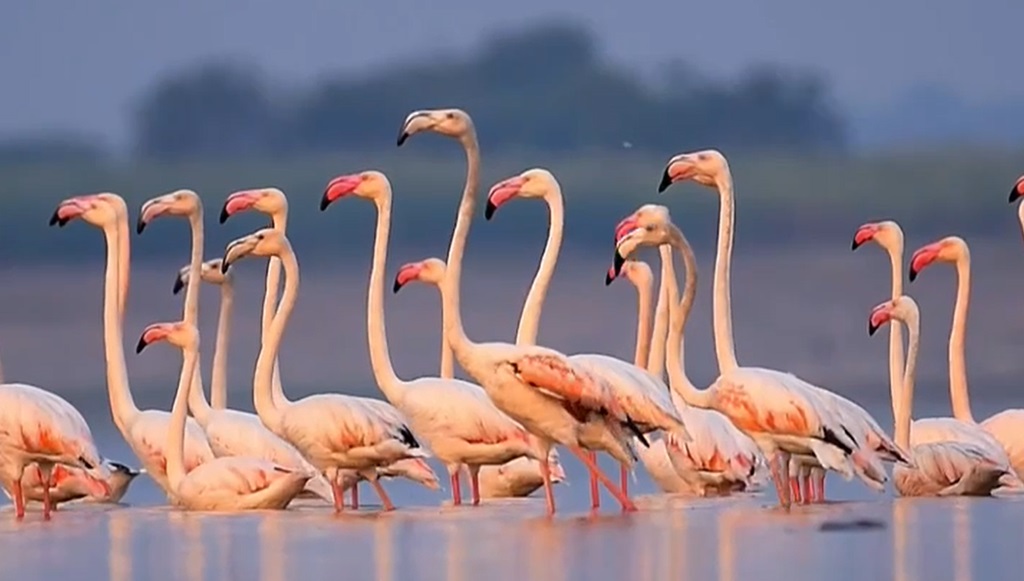
Pune, 24th February 2026: The annual arrival of migratory flamingos at Ujani Dam has been delayed this year, despite water levels now being considered suitable. Experts say the continued absence of the birds points to possible concerns over water quality and food availability in the reservoir.
Ujani, a well-known winter habitat for flamingos, typically begins receiving the birds by late October. Thousands migrate from parts of Europe and the Rann of Kutch in Gujarat, travelling vast distances to spend the season in villages such as Kumbhargaon, Diksal, Palsadev, Bhigwan and Kalewadi around the dam.
Flamingos prefer shallow water zones where red algae and tiny aquatic organisms thrive, as these form their primary food source. This year, however, continuous rainfall from May led to the dam reaching 100 per cent capacity as early as July. The shallow feeding grounds were submerged under deep water, prompting experts at the time to predict a possible delay in the birds’ arrival.
Currently, after water was released for irrigation, storage levels have dropped to around 75 per cent and shallow patches have re-emerged. Despite this, no flamingos have been sighted in the reservoir so far.
Bird expert Dr Arvind Kumbhar said water level alone does not determine the arrival of flamingos. “Water quality and food availability are more crucial. Pollution can affect the growth of red algae. If algae do not grow adequately, flamingos may not get sufficient food and could shift to another wetland,” he said.
Sewage inflow from the Bhima basin, chemical runoff from agriculture and possible industrial pollution may have altered the nutrient balance of the water, affecting algae growth. Climate change could also be contributing to the changing migratory patterns, he added.
The presence of flamingos at Ujani is considered an indicator of a healthy ecosystem. The food chain — from algae and microscopic organisms to fish and birds — needs to remain balanced. Any disruption in this chain can impact biodiversity.
Experts have called for improved sewage treatment, stricter control of industrial discharge, wetland conservation and regular monitoring of water quality. With no flamingos spotted so far, they now believe the chances of a significant arrival this season appear low.
“Even though the water level is now favourable, flamingos have not arrived. This suggests that water quality and the food chain require close examination. It is a warning sign for the ecosystem,” Dr Kumbhar said.