‘Ghost’ Fear Empties Tribal School in Maharashtra; Awareness Drive Helps Girls Return
Reported by Mubarak Ansari
Pune/Amravati, 17th August 2026: For several days, fear of a supposed “ghost possession” kept girls away from a government-run tribal residential school in Doma village of Chikhaldara taluka in Amravati district, Maharashtra. Rumours surrounding the incident had created panic among students and families, with several girls leaving the hostel and returning home.
The situation began to change after members of the Pune-based Maharashtra Andhashraddha Nirmoolan Samiti (MANS) stepped in with a three-day awareness and counselling initiative. Instead of treating the incident as a supernatural occurrence, the team spoke to students, parents, teachers and local residents to understand how the fear had spread.
The intervention appears to have helped. According to the organisation, several girls who had been frightened earlier are now willing to return to school and resume their education.
A night at the hostel
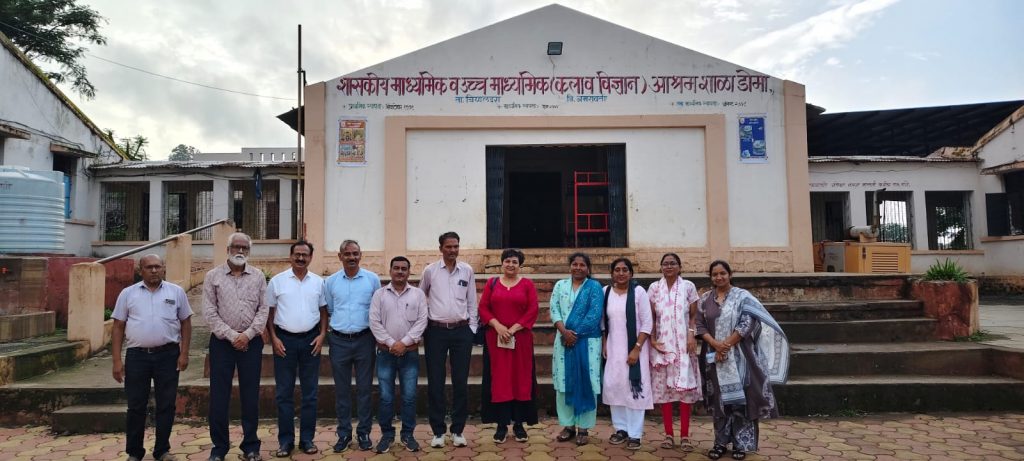
Recognising the seriousness of the situation, MANS state executive members Nandini Jadhav of Pune, Prof. Pravin Deshmukh of Mumbai and Rambhau Dongre of Nagpur visited the Doma Ashram School on August 10.
The team met the headmaster, teachers and other staff members and sought details about the incidents that had triggered the rumours. Rather than limiting the visit to discussions during the day, the team stayed overnight at the residential school.
The members subsequently visited the homes of affected students in tribal hamlets, including Ekatai, Chunkhadi, Pachdongri, Khadimal and Butida, between August 11 and 13.
The conversations, according to the organisation, offered a different perspective on what had happened.
How fear spread
MANS said the episode appeared to involve a collective psychological reaction, sometimes referred to as mass hysteria, in which fear and anxiety can spread rapidly through a group.
According to the organisation, one student initially experienced physical or psychological distress. The belief that she had been “possessed by a ghost” allegedly triggered fear among other students. As the fear spread, some girls reportedly displayed unusual behaviour, including speaking incoherently and making unexplained gestures.
The team also pointed to the possible influence of horror films. During their vacation, some students had reportedly watched horror movies, including Kanchana 2, which was subsequently discussed at the hostel. The organisation said that existing supernatural beliefs may have amplified the impact of such imagery on the students.
Role of traditional beliefs
The team also highlighted the role of local traditional beliefs in shaping responses to illness and psychological distress.
In parts of tribal Maharashtra, families may first approach a ‘Bhumka’, or traditional faith healer, when someone falls ill or experiences psychological distress, rather than seeking medical or mental-health assistance. According to MANS, this practice can sometimes reinforce supernatural explanations for health-related problems.
However, the organisation’s members said their interaction with the families suggested that the girls were in a normal and stable condition when they were visited at home.
“After visiting the girls at their homes, we found them to be completely healthy and in a normal state. The girls who were earlier frightened by the fear of ghosts are now speaking openly and have expressed their desire to return to school. Through awareness and dialogue, we were able to help them overcome this fear.”— Nandini Jadhav, Maharashtra Andhashraddha Nirmoolan Samiti
Parents agree to send girls back
The organisation said its conversations with parents helped rebuild their confidence in sending their children back to the residential school.
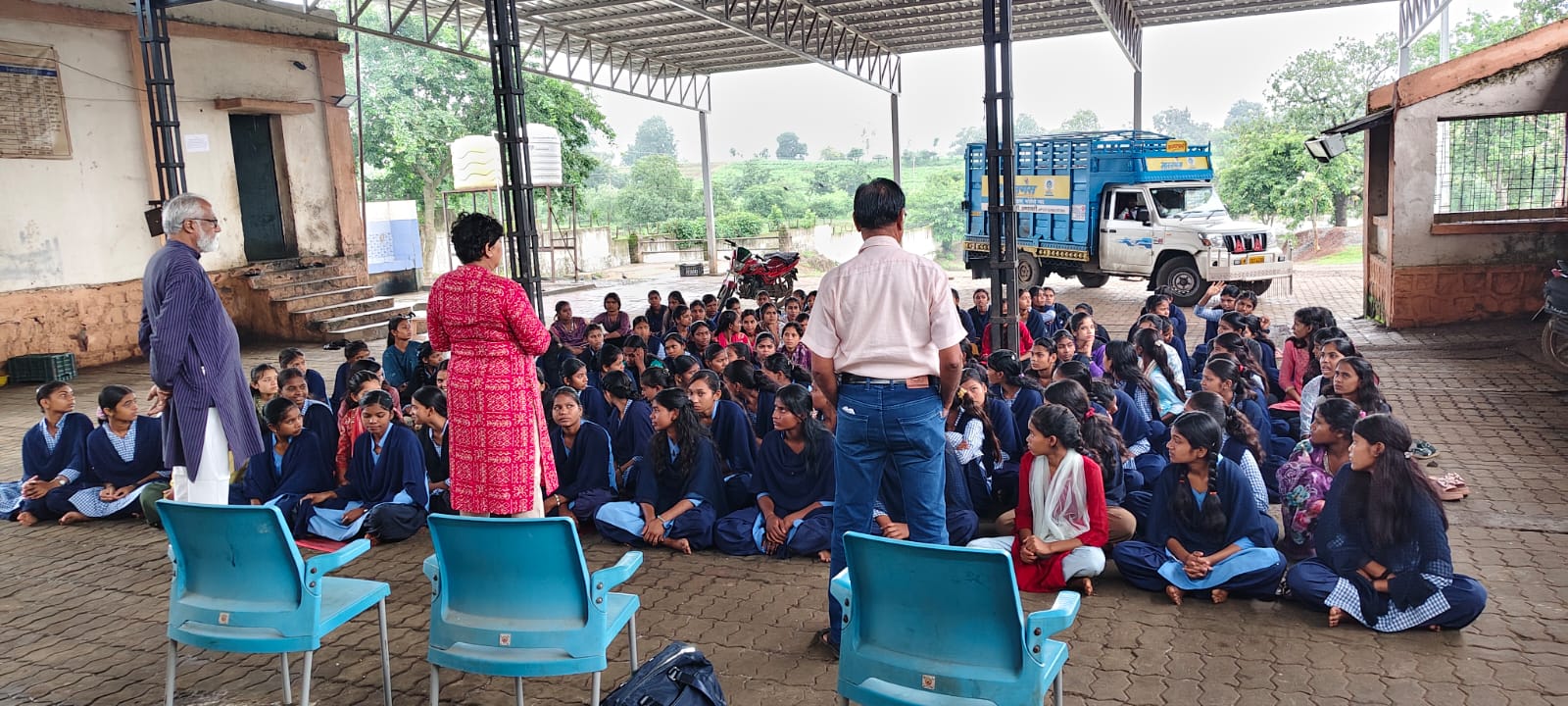
The girls reportedly spoke positively about the school’s facilities, food and the supportive environment created by teachers. Parents, according to MANS, have also agreed to send their daughters back to school soon.
For the organisation, however, the incident has highlighted the need for sustained awareness programmes rather than one-time interventions.
“Superstition does not arise only from ignorance. It can also emerge from fear, rumours and traditions. Therefore, it is not enough to simply tell students that ghosts do not exist. Students, parents and teachers need continuous and sensitive awareness programmes,” said Prof. Pravin Deshmukh and Rambhau Dongre, members of the state executive committee of MANS.
Beyond the immediate crisis
Nandini Jadhav also drew attention to the broader living conditions in residential schools in the region. She said several ashram schools face problems related to food and accommodation and called for these issues to be addressed urgently.
The Doma episode has thus raised questions beyond the immediate fear of supernatural phenomena. For the students involved, the more immediate challenge is returning to a safe and supportive learning environment.
As the fear begins to recede, the girls who had left the school are once again looking towards their education and future. If the assurances from students and parents translate into action, the once-quiet Doma Ashram School could soon be filled again with the sounds of children returning to their classrooms and hostel.