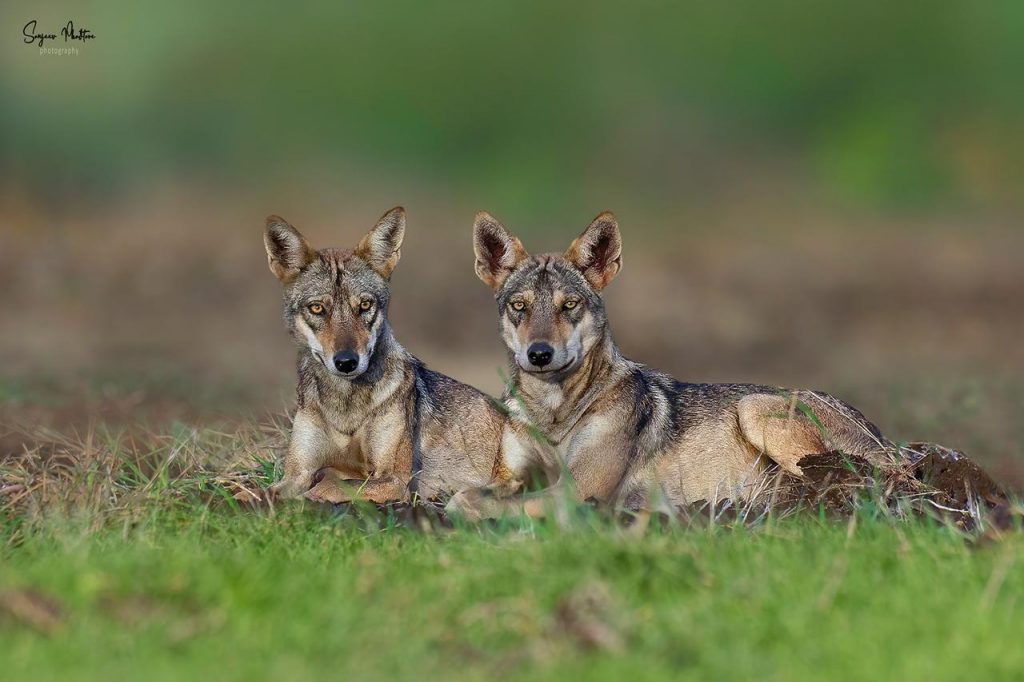
Indian Grey Wolf Teeters on Edge of Extinction: Only 3,000 Remain in India’s Vanishing Grasslands
By Sanjeev Phadtare
Environment Photographer
Pune, 26th December 2025: The Indian Grey Wolf (Canis lupus pallipes), one of the subcontinent’s most ancient large carnivores, is facing a severe battle for survival. According to recent data, the population of this distinct subspecies has dwindled to an estimated 2,000–3,000 individuals in India, placing it on the IUCN Red List as “Endangered.”
Despite being adaptable to arid conditions, the wolf is struggling against rapid habitat loss and the diminishing state of India’s grasslands.
A Unique Species in Peril
Unlike their larger, shaggier northern relatives, Indian Grey Wolves are physically adapted to the hot, arid climates of peninsular and central India. They are smaller, leaner, and possess shorter fur. They are predominantly found in Maharashtra, Madhya Pradesh, Gujarat, Rajasthan, Karnataka, and Telangana.
While the species enjoys the highest level of legal security under Schedule I of the Wildlife (Protection) Act, 1972, enforcement remains a challenge. Experts point out that unlike tigers or elephants, wolves inhabit open grasslands and scrublands—areas that are frequently classified as “wastelands” rather than vital ecosystems.
The “Wasteland” Misconception
The report highlights a critical policy gap: few protected sanctuaries are designed specifically for wolf conservation, as India’s conservation focus largely remains on forest ecosystems. Consequently, the expanding footprint of human settlements, agriculture, and infrastructure is rapidly fragmenting the grasslands these wolves call home.
Triple Threat: Disease, Genetics, and Conflict
Beyond habitat loss, the Indian Grey Wolf faces biological and social threats:
1. Hybridization: Interbreeding with domestic dogs is leading to genetic dilution.
2.Disease: Stray dogs are transmitting lethal diseases such as canine distemper and rabies to the wolf population.
3.Human-Wildlife Conflict: With natural prey like blackbuck and chinkara becoming scarcer, wolves occasionally target livestock. This often results in retaliatory killings by local communities.
The Road Ahead
Conservationists are calling for an urgent shift in how India views its open habitats. The report emphasizes that the wolf is an “apex predator” essential for regulating prey populations and maintaining the health of fragile grassland ecosystems.
Current efforts by the Wildlife Institute of India and various NGOs are focusing on community awareness to promote coexistence and ensuring compensation for livestock losses. However, the report concludes that unless grasslands are recognized as vital biomes and protected from encroachment, the Indian Grey Wolf remains a symbol of India’s vanishing wilderness.